
How Alcohol Worsens Snoring: What Happens to Your Airway After Drinking

How Alcohol Worsens Snoring: The Airway Science Your Doctor May Not Explain
Alcohol relaxes your throat muscles, narrows your airway, and can increase snoring severity by up to 25%. Here is exactly what happens inside your body after that evening drink, and what you can do about it tonight.
Why Does Alcohol Make You Snore Louder?
That glass of wine at dinner or the after-work beer seems harmless. But alcohol is a central nervous system depressant that relaxes every muscle in your body, including the ones keeping your airway open while you sleep. The result? Your soft palate droops, your tongue slides backward, and the tissues in your throat vibrate harder with every breath. That vibration is snoring.
Even people who never snore under normal conditions often start snoring after drinking. A meta-analysis of 21 studies found that alcohol consumption increases the risk of obstructive sleep apnea by 25% (Simou et al., Sleep Medicine Reviews, 2018). For those who already snore, alcohol turns a quiet rumble into a wall-shaking roar.
This article explains the exact physiological chain reaction that alcohol triggers in your airway, presents real clinical data from peer-reviewed research, shares practical strategies to minimize the damage, and offers a device-based solution that works even after drinking.
- Alcohol relaxes the genioglossus (the main tongue muscle that keeps your airway open)
- AHI (breathing pauses per hour) increases by 7.1 events/hour in people with sleep apnea who drink
- Stopping alcohol 3-4 hours before bed significantly reduces snoring intensity
- A nasal stent can mechanically keep the airway open regardless of muscle tone
Alcohol and Snoring: The Research Numbers
Clinical evidence is clear: alcohol measurably worsens every metric related to sleep-disordered breathing. These are not guesses or anecdotes. They come from randomized controlled trials and large-scale meta-analyses.
Source: Burgos-Sanchez et al., Otolaryngology-Head and Neck Surgery, 2020 (meta-analysis of 14 RCTs, 422 subjects). For people who already snore, AHI increased by 4.2 events per hour. For those diagnosed with obstructive sleep apnea, the increase was 7.1 events per hour, enough to shift someone from mild to moderate sleep apnea in a single night.
Mean oxygen saturation also dropped measurably. Across all subjects, SpO2 fell by 0.60%. In known snorers, the drop was 0.92%. This may seem small, but over eight hours of sleep it means your brain and heart receive consistently less oxygen, contributing to morning fatigue, headaches, and long-term cardiovascular strain.
What Happens Inside Your Airway After Drinking
Understanding the mechanism helps you make informed decisions. Alcohol does not cause snoring through a single pathway. It attacks your airway from four directions simultaneously.
1. Muscle Relaxation
Alcohol depresses the motor neurons controlling your genioglossus (the fan-shaped tongue muscle) and your pharyngeal dilator muscles. These muscles normally keep your upper airway rigid during sleep. When they relax, the airway narrows and tissue vibrates.
2. Raised Arousal Threshold
Normally, your brain wakes you briefly when breathing stops. Alcohol raises this threshold, meaning apneas must last longer and be more severe before your brain responds. You sleep through obstructions that would otherwise wake you.
3. Nasal Congestion
Alcohol causes blood vessels inside your nose to dilate, creating swelling and congestion. When you cannot breathe through your nose, you default to mouth breathing, which further collapses the airway and intensifies snoring.
4. Dehydration Effect
Alcohol is a diuretic. It dehydrates your mucosal membranes, making throat tissues stickier and more prone to vibration. Dry, swollen tissues produce louder snoring sounds than well-hydrated ones.

Hour-by-Hour: How Alcohol Affects Your Sleep Breathing
The effects of alcohol on your airway do not happen all at once. They follow a predictable timeline that explains why the first half of the night is typically the worst for snoring.
Absorption Phase
Alcohol enters your bloodstream. Blood vessels begin to dilate, including those in your nasal passages. You may not feel congested yet, but swelling has started.
Peak Blood Alcohol
Muscle relaxation reaches its maximum. The genioglossus and pharyngeal muscles lose significant tone. If you fall asleep now, snoring will be at its worst. Your body metabolizes roughly one standard drink per hour.
Deep Sleep Dominance
Alcohol pushes you into deeper non-REM sleep stages where muscles are already at their most relaxed. The combination of alcohol-induced and sleep-stage-induced relaxation creates the narrowest airway of the night.
Rebound Effect
As alcohol metabolizes, your body enters REM rebound. Sleep becomes fragmented. You may experience more vivid dreams, increased awakenings, and continued snoring as your body has not yet fully cleared the alcohol.
Recovery Phase
Muscle tone gradually returns. Snoring typically decreases but may not fully resolve if dehydration persists. You wake feeling unrested despite having been in bed for a full night.
Who Is Most Affected by Alcohol-Induced Snoring?
While alcohol worsens snoring in nearly everyone, certain groups experience dramatically worse effects. The same two drinks can cause a slight increase in one person and a dangerous cascade of apneas in another.
High-Risk Groups
- People with existing OSA — AHI increases by 7.1 events/hour after drinking, compared to 0.45 in non-snorers (Burgos-Sanchez et al., 2020)
- Back sleepers — Supine position already narrows the airway. Add alcohol, and the tongue falls backward even further
- Men over 40 — Natural age-related loss of muscle tone compounds alcohol's relaxation effect
- People with higher BMI — Extra tissue around the neck creates additional airway pressure. After adjusting for BMI, alcohol increases OSA risk by 41% (Simou et al., 2018)
- Those taking sedatives — Sleeping pills, antihistamines, or muscle relaxants combined with alcohol create a compounding depressant effect on airway muscles
The Dose-Response Relationship
The more you drink, the worse the snoring. Research indicates that 2-3 standard drinks are associated with measurable negative effects on sleep breathing. However, even a single drink within two hours of bedtime can worsen snoring in sensitive individuals. The relationship is linear: each additional drink further relaxes muscles, increases nasal congestion, and suppresses arousal response.
Alcohol vs. Sober Sleep: A Side-by-Side Comparison
This table summarizes the measurable differences in sleep quality between nights with and without alcohol, based on published clinical data.
| Sleep Parameter | Without Alcohol | After 2-3 Drinks | Clinical Significance |
|---|---|---|---|
| Apnea-Hypopnea Index (AHI) | Baseline | +2.33 to +7.1 events/hr | Can shift severity category |
| Lowest Oxygen Saturation | Baseline | -1.25% to -2.72% | Increased cardiovascular strain |
| Mean SpO2 | Baseline | -0.60% overall | Sustained lower oxygen all night |
| Arousal Threshold | Normal | Significantly raised | Longer, more dangerous apneas |
| REM Sleep | Normal cycles | Suppressed first half, rebound second half | Fragmented, unrestorative sleep |
| Nasal Resistance | Normal | Increased (vessel dilation) | Forces mouth breathing |
| Respiratory Event Duration | Baseline | +0.86 seconds longer | Each breathing pause lasts nearly a second longer |
Data sources: Burgos-Sanchez et al. (2020), Simou et al. (2018), Sleep Foundation clinical summaries.
Real Stories: When Alcohol Turns Snoring Into a Relationship Problem
The clinical data tells one story. Real people tell another. Across sleep forums, health communities, and product reviews, the same pattern emerges: alcohol transforms manageable snoring into a relationship-threatening problem.
Individual results may vary. These testimonials reflect personal experiences and should not be considered medical advice.
Discover the Nasal Stent9 Practical Strategies to Reduce Snoring After Drinking
Completely avoiding alcohol is the most effective strategy. But for social occasions, holidays, and celebrations where drinking is part of the experience, these evidence-based approaches can significantly reduce the impact on your snoring.
Strategy 1: Apply the 4-Hour Rule
Stop drinking at least 3-4 hours before bedtime. Your body metabolizes approximately one standard drink per hour. By allowing this window, you give your muscles time to recover some tone before sleep. Sleep specialists consider this the single most impactful timing change you can make.
Strategy 2: Use a Nasal Stent
A nasal stent like Back2Sleep works by mechanically holding the airway open from the inside. Unlike sprays or strips that address surface congestion, a nasal stent reaches past the soft palate to prevent collapse at the exact point where alcohol-induced relaxation causes obstruction. This makes it particularly effective on drinking nights when muscle tone is reduced.
Strategy 3: Hydrate Between Drinks
Alternate each alcoholic drink with a full glass of water. Dehydration makes throat tissues stickier and more prone to vibration. Staying hydrated keeps mucosal membranes supple and reduces the friction that amplifies snoring sounds.
Strategy 4: Sleep on Your Side
Gravity pulls the tongue backward when you sleep on your back. After drinking, this effect is amplified because the tongue muscle is already relaxed. Use a body pillow or tennis ball technique to maintain a lateral sleeping position throughout the night.
Strategy 5: Elevate Your Head
Raise the head of your bed by 10-15 degrees using a wedge pillow or bed risers. This reduces gravitational pressure on the airway and can help drain alcohol-induced nasal congestion. It is not a cure, but it meaningfully reduces severity.
Strategy 6: Choose Lower-Alcohol Drinks
Red wine and spirits tend to cause worse snoring than lighter options. If you plan to drink, consider lower-alcohol alternatives like light beer, wine spritzers, or low-ABV cocktails. The dose-response relationship means every percentage point of alcohol matters.
Strategy 7: Eat Before Drinking
Food slows alcohol absorption, reducing the peak blood alcohol concentration that drives maximum muscle relaxation. A meal rich in protein and healthy fats before drinking can spread the absorption over a longer period.
Strategy 8: Avoid Combining With Sedatives
Sleeping pills, antihistamines, and muscle relaxants compound alcohol's depressant effect on airway muscles. If you take any of these medications, avoid alcohol entirely on those nights. Consult your healthcare provider about potential interactions.
Strategy 9: Track and Measure
Use a sleep tracking app (like SnoreLab) to objectively measure your snoring on drinking vs. non-drinking nights. Many people are surprised to discover that even one drink measurably increases their snoring score. Data creates motivation for behavior change.
Get Your Starter Kit — 4 Sizes IncludedWhy a Nasal Stent Works When Muscle Tone Fails
Most anti-snoring solutions rely on some degree of muscle activity. Mandibular advancement devices push the jaw forward, but they depend on jaw muscles maintaining position. Positional therapy requires you to stay on your side, but alcohol makes you sleep heavier and roll onto your back. Throat exercises strengthen muscles over time, but alcohol temporarily negates those gains.
A nasal stent works differently. It is a physical, structural solution. The soft silicone tube sits inside your nostril and extends past the soft palate, creating a channel that stays open regardless of muscle tone. When alcohol relaxes your genioglossus and pharyngeal muscles, the stent maintains airflow mechanically.
Immediate Effect
Works from the first night. No adaptation period needed for basic function. Clinical data shows REI (Respiratory Event Index) drops from 22.4 to 15.7 with the device (p<0.01).
Alcohol-Proof Design
Because it physically holds the airway open, its effectiveness is not diminished by alcohol's muscle-relaxing effects. The stent does not depend on neuromuscular function.
92% Satisfaction Rate
Over 1 million sold with a reported 92% user satisfaction rate. Particularly popular among social drinkers who need a reliable solution for unpredictable nights.
Travel-Ready
No electricity, no water reservoir, no straps. Fits in a pocket. Ideal for dinner parties, holidays, weddings, and any social event where alcohol may be involved.
 Order the Starter Kit — €44.90
Which Alcoholic Drinks Cause the Worst Snoring?
Not all drinks are equal when it comes to snoring. The type of alcohol, its concentration, and what you mix it with all affect the severity of airway disruption.
| Drink Type | Typical ABV | Snoring Risk | Key Factor |
|---|---|---|---|
| Spirits (whisky, vodka, rum) | 40% | High | Highest alcohol concentration per volume |
| Red wine | 13-15% | High | Histamines and tannins cause additional nasal swelling |
| White wine | 11-13% | Moderate-High | High acidity can worsen reflux, which inflames the throat |
| Regular beer | 4-6% | Moderate | Lower ABV but often consumed in larger volumes |
| Light beer | 3-4% | Low-Moderate | Lower alcohol content reduces muscle relaxation |
| Champagne / prosecco | 12% | Moderate | Carbonation may increase gastric reflux |
Red wine deserves special attention. Beyond its alcohol content, red wine contains histamines and tannins that trigger an inflammatory response in nasal passages. This double mechanism, muscle relaxation plus nasal inflammation, makes red wine one of the worst choices for snoring-prone individuals. If you must drink, a single light beer or a well-diluted spritzer creates significantly less airway disruption than a glass of Cabernet.
The Long-Term Effects of Habitual Drinking on Snoring
Occasional drinking temporarily worsens snoring. But regular alcohol consumption creates a cumulative effect that makes snoring progressively worse over months and years, even on nights you do not drink.
How Chronic Drinking Changes Your Airway
- Chronic muscle weakness — Regular alcohol use can lead to peripheral neuropathy, weakening the motor neurons that control airway muscles even during sober sleep
- Weight gain — Alcohol adds empty calories (a bottle of wine contains ~600 kcal). Extra weight deposits fat around the neck, permanently narrowing the airway
- Chronic nasal inflammation — Repeated alcohol-induced nasal swelling can lead to persistent mucosal thickening
- Increased OSA risk — A study in the Journal of Clinical Sleep Medicine (2022) found that alcohol use disorder is associated with an adjusted odds ratio of 2.14 for developing OSA, meaning heavy drinkers are more than twice as likely to develop sleep apnea
Anti-Snoring Solutions: How They Perform After Drinking
This comparison looks specifically at how common snoring solutions hold up on nights when you have consumed alcohol. The key question: does the solution depend on muscle function that alcohol impairs?
| Solution | Effectiveness After Alcohol | Why |
|---|---|---|
| Intranasal Stent (Back2Sleep) | High — Unaffected by alcohol | Mechanical airway support; does not depend on muscle tone |
| CPAP Machine | High — Works regardless | Positive pressure splints airway open; effective but bulky |
| Mandibular Advancement Device | Moderate — Partially reduced | Holds jaw forward but jaw muscles may still relax |
| External Nasal Strips | Low — Minimal benefit | Only addresses nasal valve; does not reach soft palate where collapse occurs |
| Positional Therapy | Low — Hard to maintain | Alcohol deepens sleep, making it harder to stay in side position |
| Throat Exercises | Low — Temporarily negated | Benefits depend on muscle tone that alcohol suppresses |
| Mouth Taping | Variable — Can backfire | If nasal congestion from alcohol is severe, may cause breathing difficulty |
The Partner Problem: How Alcohol Snoring Affects Relationships
Snoring is not just a personal health issue. It is a shared problem. Research from the Sleep Foundation confirms that when one partner snores, both partners lose sleep. After alcohol consumption, the snoring intensifies precisely on the nights that should be relaxing: dinner parties, celebrations, holidays.
The Pattern Partners Describe
Sleep specialists report a common cycle in couples affected by alcohol-related snoring:
- Social evening with alcohol consumption
- Non-drinking partner goes to bed hoping for the best
- Drinking partner falls asleep faster (sedative effect) and begins snoring loudly within minutes
- Non-drinking partner lies awake, nudges, or moves to another room
- Morning tension: one partner feels fine (sedated sleep), the other is exhausted and resentful
- Over time, anticipation of this pattern creates anxiety around social events
This cycle erodes intimacy. Separate bedrooms become the norm rather than the exception. What starts as "it is just snoring" evolves into a significant relationship stressor. Addressing the snoring before it reaches this stage protects both sleep quality and relationship health.
- The Sleep Foundation reports that partner snoring is one of the top three causes of sleep disturbance in shared bedrooms
- Partners of heavy snorers lose an estimated 1-2 hours of sleep per night
- Alcohol can increase snoring volume by an estimated 25% above baseline, making it audible through walls
Frequently Asked Questions About Alcohol and Snoring
Does one glass of wine before bed cause snoring?
It depends on your individual sensitivity. Research shows that even moderate alcohol consumption (1-2 drinks) can increase snoring in susceptible people. The Sleep Foundation notes that effects are strongest when alcohol is consumed close to bedtime. If you already tend to snore, a single glass of wine within two hours of sleep is likely to worsen it.
How many hours before bed should I stop drinking to avoid snoring?
Sleep specialists recommend stopping alcohol consumption at least 3-4 hours before bedtime. Your body metabolizes approximately one standard drink per hour. This buffer allows muscle tone to partially recover before sleep. For people with diagnosed sleep apnea, some experts recommend a 4-5 hour window for additional safety.
Can alcohol cause sleep apnea in someone who does not have it?
Alcohol does not directly cause obstructive sleep apnea, but it can trigger apnea-like events in people who would not otherwise experience them. A meta-analysis showed that even in non-snorers, AHI increased by 0.45 events per hour after drinking. In people with risk factors (overweight, anatomically narrow airway), alcohol may reveal subclinical sleep apnea that was previously asymptomatic.
Is beer or wine worse for snoring?
Red wine tends to be worse than beer for snoring. Beyond alcohol content, red wine contains histamines and tannins that cause additional nasal swelling and inflammation. However, beer is often consumed in larger volumes, which can offset its lower alcohol percentage. The total amount of alcohol consumed matters more than the specific type. Light beer in moderate amounts generally causes the least snoring disruption.
Will a nasal stent work if I have been drinking?
Yes. A nasal stent like Back2Sleep works mechanically by holding the airway open from the inside. Unlike solutions that rely on muscle tone (which alcohol reduces), a nasal stent maintains its effectiveness regardless of blood alcohol level. It is particularly useful on social nights when avoiding alcohol is not practical. Clinical data shows the device reduces the Respiratory Event Index from 22.4 to 15.7 (p<0.01).
Does alcohol affect CPAP therapy?
CPAP machines continue to work effectively after alcohol consumption. The positive airway pressure physically prevents collapse regardless of muscle relaxation. However, some users find masks less comfortable or are more likely to remove them unconsciously during alcohol-affected sleep. Never skip CPAP on drinking nights. Consult your sleep specialist about whether pressure adjustments are needed.
Can quitting alcohol cure my snoring completely?
If alcohol is the primary trigger and you do not have other risk factors (obesity, anatomical narrowing, nasal obstruction), reducing or eliminating alcohol can significantly reduce or eliminate snoring. However, many people snore due to multiple factors. Quitting alcohol will improve snoring in most cases but may not completely resolve it. A comprehensive approach addressing sleep position, weight, and airway support typically produces the best results.
Take Control of Your Airway Tonight
You now understand exactly how alcohol disrupts your breathing during sleep. The relaxed muscles, the narrowed airway, the suppressed arousal response. These are not problems you can willpower your way through. You need a mechanical solution that works even when your muscles do not.
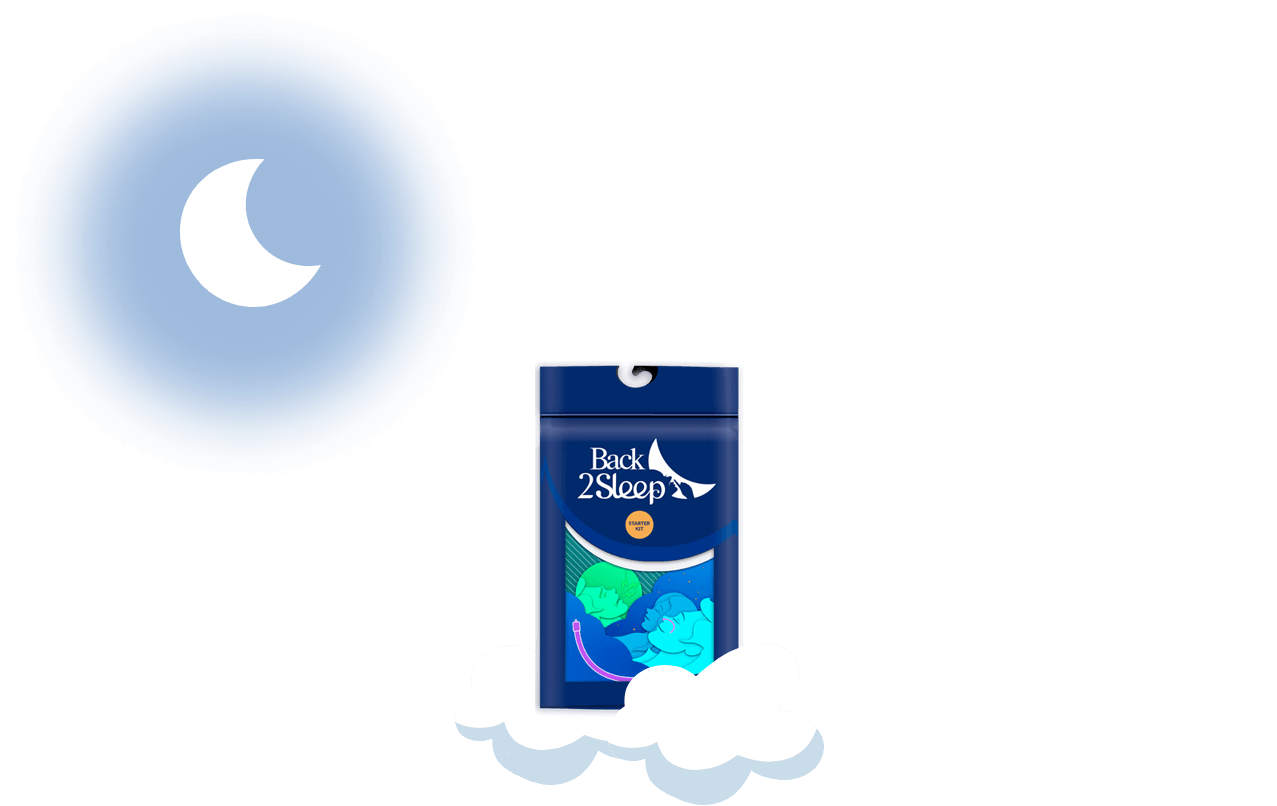
The Back2Sleep Starter Kit includes four sizes (S, M, L, XL) so you can find your perfect fit. It is designed to be inserted in about 10 seconds, is virtually invisible, and works silently all night. Over 1 million devices sold with a 92% satisfaction rate.
Try Back2Sleep Tonight — €44.90Read the full FAQ | Learn about sleep apnea | Browse all articles