
How to Choose the Right Anti-Snoring Device for Your Snoring Type

Choose the Right Anti-Snoring Device for Your Snoring Type
Not all snoring is the same. The wrong device wastes money and sleep. This guide helps you identify your snoring pattern and match it to the approach most likely to work, backed by clinical research and real user experience.
Why Your Snoring Type Determines Which Device Works
Most people buy the first anti-snoring product they see online. Six weeks later, the device sits in a drawer and the snoring continues. The problem is not the product itself. The problem is a mismatch between the snoring type and the device mechanism.
Snoring happens when air moves through a narrowed airway and vibrates soft tissue. But the location of that narrowing differs from person to person. A device that opens the nasal passages will do nothing for someone whose tongue collapses backward during sleep. Conversely, a jaw-repositioning mouthguard cannot fix congested nasal valves.
A 2019 clinical study of 41 patients found that identifying the obstruction site first led to significantly better device outcomes. Internal nasal dilators reduced snoring time by a statistically significant margin (p<0.05) in nasal-origin snorers, while showing less benefit for those with throat-based obstruction (Gelardi et al., European Archives of Oto-Rhino-Laryngology, 2019).
- Snoring originates from different anatomical locations in different people
- Device effectiveness depends on matching the device to your obstruction site
- Most anti-snoring device failures come from type mismatch, not device defects
The 4 Main Snoring Types Explained
Sleep medicine classifies snoring into four primary categories based on where the airway narrows. Understanding which category applies to you is the single most useful step before purchasing any device.
Nasal Snoring
Caused by blocked or narrow nasal passages. Allergies, deviated septum, or nasal valve collapse restrict airflow. Produces a soft, whistling or whining sound. Often worse during allergy season.
Mouth Snoring
Occurs when the mouth falls open during sleep, and the soft palate vibrates. Typically louder than nasal snoring. Common among back sleepers. Breathing through the mouth bypasses the nasal filter.
Tongue-Based Snoring
The tongue falls backward and partially blocks the throat. Linked to excess weight around the neck, alcohol use, or sleeping on your back. Produces a rumbling, inconsistent sound pattern.
Palatal Flutter (Throat Snoring)
Vibration of the soft palate and uvula creates a classic loud, rhythmic snore. Often the most disruptive for partners. May indicate weakened throat tissue or mild obstructive sleep apnea.
Quick Self-Assessment: Identify Your Snoring Type
Before spending money on any device, take two minutes to answer these questions. They are based on the same screening criteria sleep specialists use in initial consultations.
Which Description Fits You Best?
Close your mouth and try breathing through one nostril at a time. If one side feels blocked or collapses, you likely have nasal snoring. Allergies, a deviated septum, or naturally narrow nasal valves are common causes.
Try to snore with your mouth closed. If you can only produce the sound with your mouth open, your snoring is primarily mouth-based. Partners of mouth snorers often report loud, consistent volume throughout the night.
Stick your tongue out and try to snore. If the sound is significantly reduced, your tongue is contributing to airway obstruction. This is typical of tongue-based snoring, especially if you snore more on your back.
Do you snore much more when sleeping on your back compared to your side? If yes, gravity is pulling soft tissue into your airway. You may benefit from positional therapy combined with the appropriate device.
Many people have a combination of two types. For example, nasal congestion forces mouth breathing, which then causes palatal vibration. In these mixed cases, addressing the upstream problem (the nose) often reduces or eliminates the downstream symptom (the mouth snoring).
Anti-Snoring Device Categories Compared
Each device category targets a specific anatomical location. The table below compares the five major categories based on published clinical data and user-reported outcomes.
| Device Category | Best For | How It Works | Effectiveness | Comfort |
|---|---|---|---|---|
| Internal Nasal Stent | Nasal snoring, mild-to-moderate OSA | Soft tube holds nasal passages open from inside, reaching toward the soft palate | Snoring time reduced significantly (p<0.05); REI improved from 22.4 to 15.7 | 3-5 day adaptation; comfortable after adjustment |
| Mandibular Advancement Device (MAD) | Mouth and tongue-based snoring | Repositions the lower jaw forward to widen the throat airway | 70-80% reduction in mild-to-moderate snoring; AHI reduced by ~40% | Jaw soreness first 1-2 weeks; drooling common initially |
| Tongue Stabilizing Device (TSD) | Tongue-based snoring | Suction cup holds tongue forward, preventing collapse | Effective for tongue-based obstruction; limited large-scale data | Difficult to adapt; cannot breathe through mouth while wearing |
| Positional Aids | Position-dependent snoring | Vests, wedge pillows, or wearables that prevent back sleeping | 50%+ snoring reduction in position-dependent snorers (Harvard Health) | Generally well-tolerated; some find vests restrictive |
| CPAP Machine | Moderate-to-severe OSA (prescription) | Continuous air pressure keeps the entire airway open | Gold standard for OSA; most effective at reducing AHI | Mask discomfort; noise; requires electricity; low long-term compliance |
Sources: Gelardi et al., 2019 (PMC6502076); Camacho et al., 2016 (PMC5187471); Harvard Health Publishing, 2025; AASM Clinical Practice Guidelines.
Try the Back2Sleep Starter KitIf You Are a Nasal Snorer: Your Best Options
Nasal snoring accounts for a significant share of all snoring cases. The obstruction sits at the nasal valve, the narrowest part of the nasal airway located about 1.5 centimetres inside the nostril. Even a small widening of this area dramatically improves airflow.
Internal Nasal Stents vs. External Nasal Strips
A 2019 real-world clinical comparison found that both internal and external nasal dilators significantly reduced snoring time compared to no device. However, internal dilators outperformed strips on two important metrics:
- Effective in more patients — internal dilators worked for a larger percentage of the study group
- Better sleep quality scores — internal dilator use was associated with the best perception of good sleep (p<0.05)
A 2016 meta-analysis of 14 studies (294 patients) confirmed that internal nasal dilators showed a slight reduction in apnea index (−4.87 events/hour), while external strips did not improve this measure (Camacho et al., Pulmonary Medicine, 2016).
How the Back2Sleep Nasal Stent Addresses Nasal Obstruction
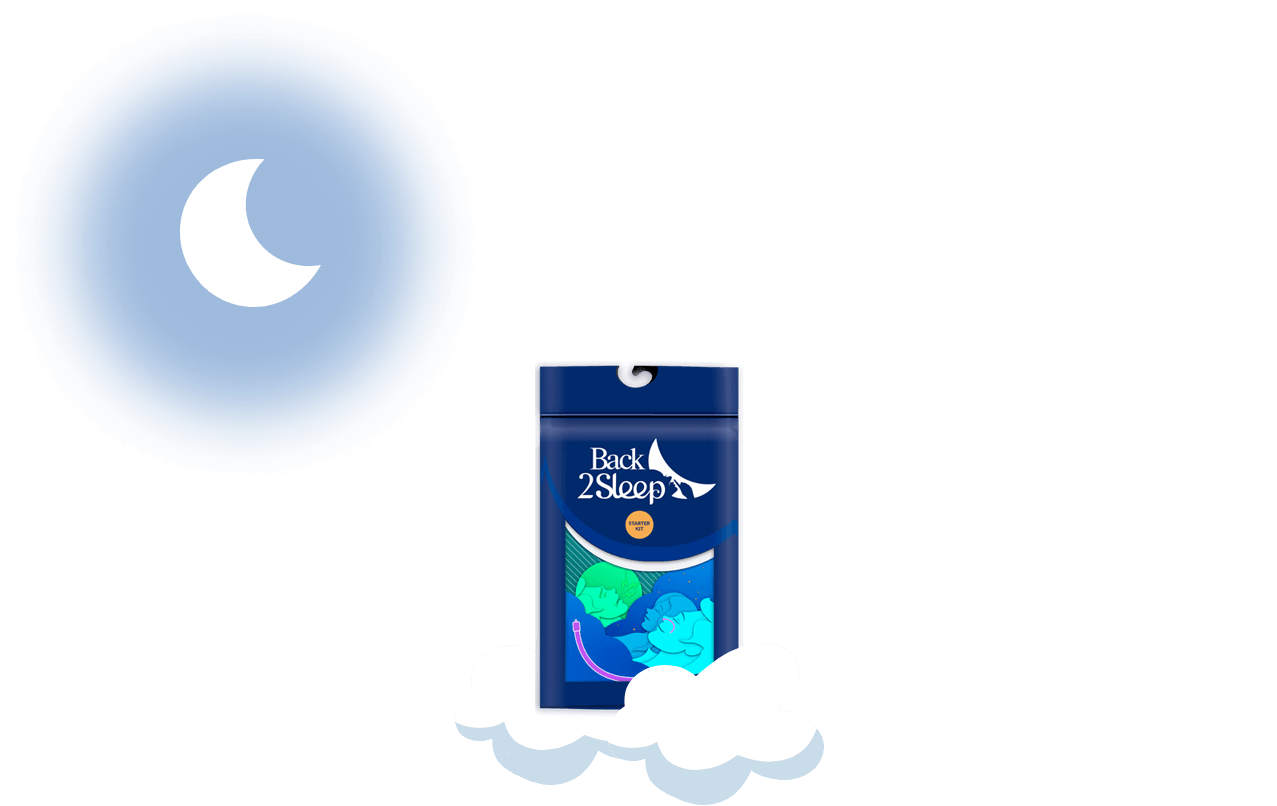
The Back2Sleep intranasal stent is a CE-certified Class I medical device. Unlike adhesive strips that pull from outside, this soft silicone tube inserts into one nostril and extends toward the soft palate. This design addresses the obstruction at its source.
Clinical data from Back2Sleep users shows:
If You Are a Mouth or Tongue Snorer: What the Evidence Shows
Mouth and tongue-based snoring originate deeper in the airway. The obstruction happens at the oropharyngeal level rather than the nasal valve. Different devices target these areas.
Mandibular Advancement Devices (MADs)
MADs are the most studied non-CPAP option for mouth and tongue snorers. They gently push the lower jaw forward by several millimetres, which tightens the throat tissue and prevents collapse.
Clinical evidence is solid:
- A systematic review found MADs reduce AHI by an average of 16.77 events/hour (PMC10684110)
- In a 2024 randomised trial, 91% of MAD users were rated as treatment responders by their sleeping partners, compared to 58% using combined airway and positional therapy (PMC11117146)
- Snoring percentage dropped from 30.7% to 7.5% of total sleep time in one controlled study
The downsides: jaw discomfort during the first two weeks, excess drooling, and potential bite changes with long-term use. Custom-fitted MADs from a dentist cost more but offer better comfort than boil-and-bite versions.
Tongue Stabilising Devices (TSDs)
TSDs use suction to hold the tongue forward. They can work for tongue-based snorers who cannot tolerate a jaw device. However, adaptation is challenging. You cannot breathe through your mouth while wearing a TSD, which makes them unsuitable for anyone with nasal congestion.
When Nasal Devices Help Mouth Snorers Too
This is a crucial and often overlooked point. Many people who appear to be mouth snorers actually start with nasal obstruction. When the nose is partially blocked, the body switches to mouth breathing during sleep. Fixing the nasal airflow with a nasal stent may eliminate the need for a mouth device entirely.
What Real Users Say About Choosing Between Devices
Clinical data tells part of the story. Real-world experience fills in the gaps that studies miss. Here are anonymised accounts from snoring forums, sleep tracking communities, and verified customer reports.
A consistent pattern emerges from user reports: most people try 2-3 wrong devices before finding one that works. The number one reason for failure is not knowing their snoring type before buying. The number two reason is not giving the device enough time. Most nasal stents need 3-5 nights of adaptation.

Step-by-Step: Match Your Snoring Type to the Right Device
Use this decision framework based on the self-assessment results from earlier in this article.
1 Nasal Congestion or Collapse?
Start with an internal nasal stent. If your nose pinch test revealed restricted airflow on one or both sides, nasal obstruction is the primary cause. Internal stents outperform external strips in clinical comparisons. The Back2Sleep Starter Kit includes four sizes so you can find your fit.
2 Mouth Falls Open During Sleep?
First check your nasal breathing. If your nose is clear but your mouth still opens, consider a mandibular advancement device or mouth taping (under medical guidance). If your nose is also blocked, fix the nasal issue first. Many mouth snorers resolve their problem by restoring nasal airflow.
3 Tongue Falls Backward?
Consider a tongue stabilising device or MAD. If the tongue test showed significant sound reduction with your tongue forward, the obstruction is tongue-based. Weight management and avoiding alcohol before bed can also reduce tongue-based snoring.
4 Worse on Your Back?
Add positional therapy. Harvard Health reports that positional aids reduce snoring rates by more than 50% in position-dependent snorers. Combine a positional wedge pillow with the appropriate device for your primary snoring type.
5 Loud, Rhythmic, With Gasping?
See a doctor before buying any device. These symptoms may indicate moderate-to-severe obstructive sleep apnea, which requires a professional sleep study and potentially CPAP therapy. Over-the-counter devices may help mild cases but should not replace medical evaluation.
Cost and Practicality: What Each Option Really Costs
Price matters, but so does ongoing cost and convenience. A cheap device that sits unused is more expensive than a moderately priced one you actually wear every night.
| Device | Initial Cost | Monthly Cost | Prescription Needed? | Travel-Friendly? |
|---|---|---|---|---|
| Back2Sleep Nasal Stent | €44.90 (Starter Kit) | €34/month (subscription) or €23.75/month (annual) | No | Yes — fits in pocket |
| External Nasal Strips | €8-15 per box | €15-30 (disposable) | No | Yes |
| OTC Mouth Guard (MAD) | €30-80 | €0 (reusable 6-12 months) | No | Yes |
| Custom MAD (dentist-fitted) | €500-1,500 | €0 (lasts 2-5 years) | Dental prescription | Yes |
| CPAP Machine | €500-2,000 | €30-60 (supplies, filters) | Yes (sleep study required) | Portable models available but bulky |
The Back2Sleep Starter Kit is designed as a low-risk first step. At €44.90 for four sizes with a 15-night trial period, you can determine whether a nasal stent suits your snoring type without a large upfront commitment.
Lifestyle Factors That Influence Which Device Works
No device operates in isolation. Your daily habits directly affect how well any anti-snoring solution performs.
Alcohol and Sedatives
Alcohol relaxes throat muscles more than usual, which can turn a mild nasal snorer into a full throat snorer. If you notice worse snoring after drinking, your baseline snoring type may be nasal, but alcohol pushes it into tongue or palatal territory. Avoid alcohol within 3-4 hours of bedtime for the most accurate self-assessment.
Body Weight
Excess weight around the neck narrows the airway at multiple points. Weight loss of even 10% can measurably reduce snoring severity. However, waiting to lose weight before addressing snoring means months of poor sleep for both you and your partner. Use a device now and pursue weight management in parallel.
Sleep Position
Back sleeping increases snoring across all types. For nasal and tongue snorers, gravity pulls tissue into the airway. A positional aid can complement any device. If you only snore on your back, positional therapy alone may be enough.
Nasal Health
Seasonal allergies, dry indoor air, and chronic rhinitis all worsen nasal snoring. A saline rinse before bed can improve nasal stent effectiveness. If allergies are severe, treating the underlying congestion with your doctor may improve results from any nasal device.
Realistic Adaptation Timeline: What to Expect
Every anti-snoring device has an adjustment period. The most common reason people abandon effective devices is quitting too early. Here is what published data and user reports consistently show:
| Device | Night 1-2 | Night 3-5 | Week 2+ |
|---|---|---|---|
| Internal Nasal Stent | Mild awareness; possible slight runny nose | Sensation decreases significantly; sleep quality improving | Barely noticeable; "like a contact lens" according to users |
| MAD (Mouth Guard) | Jaw tightness; excess saliva; difficulty falling asleep | Jaw adapting; drooling reduces | Most users comfortable; minor morning jaw stiffness may persist |
| TSD (Tongue Device) | Strong tongue soreness; many users remove mid-night | Soreness decreasing; still significant awareness | Tolerable for adapted users; dropout rate higher than other devices |
| Positional Aid | May wake up when trying to roll onto back | Body begins learning new position | Side-sleeping becomes more natural |
Combination Strategies: When One Device Is Not Enough
Research increasingly supports multi-modal approaches for stubborn snoring. A 2024 randomised trial found that combined airway and positional therapy produced significant results for mixed-type snorers (PMC11117146).
Effective Combinations
- Nasal stent + side-sleeping position: Addresses nasal obstruction while reducing gravity-related soft tissue collapse. A practical starting point for most snorers.
- Nasal stent + allergen reduction: For allergy-related nasal snoring, combining a stent with bedroom allergen control (HEPA filter, hypoallergenic bedding) can improve outcomes.
- MAD + positional therapy: The 2024 trial showed this combination works well for mouth snorers who are also position-dependent.
- Any device + weight management: Long-term studies show that weight loss reduces AHI independently of device use. Combined, the effects are additive.
The key principle: start with the least invasive option that addresses your primary snoring type. Add complementary approaches if needed. A nasal stent requires no prescription, no fitting appointment, and no electricity, making it an ideal first-line option to test before escalating to more complex devices.
Read Our Complete FAQFrequently Asked Questions
How do I know which type of snorer I am?
Use the self-assessment tests above. The nose pinch test identifies nasal snoring. The open-mouth test identifies mouth snoring. The tongue protrusion test identifies tongue-based snoring. Many people have a combination. If you are unsure, consult a sleep specialist who can perform a more detailed examination.
Can a nasal stent help if I snore through my mouth?
It may, and this is more common than most people think. Many mouth snorers breathe through their mouth because their nasal passages are partially obstructed. Restoring nasal airflow with an internal stent can reduce or eliminate the mouth-breathing reflex during sleep. Try the nose pinch test first to check for nasal involvement.
How long does it take to adapt to the Back2Sleep nasal stent?
Most users report that initial awareness fades within 3-5 nights. The sensation has been compared to wearing contact lenses. The Starter Kit includes four sizes (S, M, L, XL) so you can find the most comfortable fit. A water-based lubricant is included to ease insertion.
Is a nasal stent as effective as a CPAP machine?
They serve different purposes. CPAP is the gold standard for moderate-to-severe obstructive sleep apnea and requires a prescription. A nasal stent is a CE-certified medical device designed for snoring and mild-to-moderate OSA. For severe OSA, CPAP remains the recommended treatment. Consult your healthcare professional to determine which approach is appropriate for your situation.
What if the first device I try does not work?
This is common and does not mean your snoring is untreatable. It usually means the device did not match your snoring type. Revisit the self-assessment, consider whether you gave the device adequate adaptation time (at least 5-7 nights), and try a different approach that targets the correct obstruction site.
Can I use a nasal stent while travelling?
Yes. The Back2Sleep nasal stent is one of the most travel-friendly options available. It requires no electricity, no water reservoir, no fitting, and fits in a pocket. Many CPAP users report using a nasal stent as a travel alternative for short trips.
Are anti-snoring devices safe to use every night?
CE-certified and FDA-cleared devices are designed for nightly use. The Back2Sleep nasal stent is made from medical-grade, dermatologically tested silicone. Replace it approximately every 15 days for hygiene. If you experience persistent discomfort, discontinue use and consult a healthcare professional.
Learn about sleep apnea | Frequently asked questions | Browse all articles