
Philips CPAP Recall 2026: What Patients Need to Know Now

Philips CPAP Recall: What 15 Million Affected Patients Need to Know Right Now
The largest medical device recall in respiratory care history left millions without treatment. Here is the full timeline, your legal options, patient experiences, and safer alternatives for sleep apnea and snoring management.
The Philips Respironics CPAP Recall Explained
In June 2021, Philips Respironics issued a voluntary recall of approximately 15 million CPAP, BiPAP, and mechanical ventilator devices worldwide. The reason: a polyester-based polyurethane sound-dampening foam (PE-PUR) inside the machines could degrade and release toxic particles directly into the airway of sleeping patients.
The U.S. Food and Drug Administration classified this as a Class I recall, the most serious type, indicating that use of these devices could cause serious injury or death. Since April 2021, the FDA has received over 116,000 medical device reports linked to the defective foam, including 561 reports of death.
This article covers everything you need to know as a patient or caregiver: the complete recall timeline, health risks documented by the FDA, the $1.1 billion settlement, real patient experiences, and what treatment alternatives exist for sleep apnea if you have stopped using your CPAP machine.
Philips CPAP Recall by the Numbers
These numbers represent a healthcare crisis that left millions of sleep apnea patients without reliable nightly treatment. One in four patients stopped using their CPAP machine entirely after the recall, according to a study published in the Journal of Clinical Sleep Medicine.
Complete Recall Timeline: 2021 to 2026
Understanding the full timeline helps you determine your rights and next steps. Here is every major milestone in the Philips CPAP recall saga.
Documented Health Risks of the Defective Foam
The PE-PUR foam inside recalled Philips devices can break down under heat, humidity, and especially when exposed to ozone-based cleaning products. When the foam degrades, patients may inhale or swallow microscopic black particles and volatile organic compounds (VOCs) while they sleep.
Conditions Reported to the FDA
According to FDA safety communications and medical device reports, the following conditions have been associated with the degraded foam exposure:
- Respiratory problems — irritation, coughing, chest pressure, and worsening asthma
- Headaches and sinus infections linked to particle inhalation
- Inflammatory responses in lung and nasal tissue
- Cancer — multiple reports of lung, kidney, liver, and esophageal cancers
- Organ damage — toxic chemical exposure affecting liver and kidneys
- Death — 561 deaths reported to the FDA as of the latest public data

Which Devices Are Affected?
Nearly every Philips Respironics sleep therapy and respiratory device manufactured between 2009 and 2021 is included in the recall. The DreamStation 2 is not affected because it uses a different foam material.
Recalled Device Families
| Device Category | Key Models | Years Affected |
|---|---|---|
| CPAP Machines | DreamStation, DreamStation Go, Dorma 400/500, REMstar SE Auto | 2009 – 2021 |
| BiPAP Machines | DreamStation BiPAP, A-Series BiPAP A30/A40, BiPAP Hybrid A30 | 2009 – 2021 |
| Ventilators | Trilogy 100/200, Garbin Plus, LifeVent, Trilogy EVO (select units) | 2009 – 2021 |
| Continuous Ventilators | OmniLab Advanced+, SystemOne ASV4 | 2009 – 2021 |
- Find the serial number on the bottom or back of your machine
- Contact Philips Respironics at 1-877-907-7508 (U.S.) or visit philips.com/src-update
- Ask your sleep specialist or DME (durable medical equipment) supplier for guidance
- Note: the U.S. Patient Portal closed January 1, 2026, but phone support remains active
Real Patient Experiences: The Human Cost
Behind the statistics are millions of individuals whose daily lives were disrupted. Research published in peer-reviewed journals shows that among patients with recalled devices, 46% experienced psychological distress, 36% reported new symptoms potentially related to foam exposure, and 23% stopped using their machine entirely.
The following stories, sourced from investigative reporting by ProPublica, NPR, and clinical surveys, illustrate what patients faced.
Jules had relied on his CPAP for years to manage sleep apnea. After learning a friend developed cancer possibly linked to the same device model, he abandoned the therapy altogether. His untreated sleep apnea now worsens his PTSD and depression, creating a cycle where fear of one health risk amplifies another.
Kim suffers from both sleep apnea and a neurological condition that causes muscle spasms. She stopped breathing at night without her BiPAP. After waiting more than 24 months for a replacement, she ultimately resumed using the recalled device because the risk of untreated apnea was immediate while the foam risk was uncertain.
Debra had previously crashed her car into three other vehicles due to daytime drowsiness caused by untreated sleep apnea. When the recall left her without a device, she spent retirement savings on a replacement—only to receive a refurbished unit with missing parts.
The Broader Pattern
A survey by the Sleep Wake Advisor found that only half of affected patients felt adequately informed about the recall. Many discovered it months or even years after the initial announcement. Meanwhile, 15% reported financial hardship from purchasing replacement devices out of pocket or paying for alternative treatments.
These stories underscore a critical problem: when your primary sleep apnea treatment fails, you need accessible alternatives that do not depend on recalled machinery.
Explore CPAP-Free Sleep SolutionsSettlement Details and Your Legal Options
Two separate settlements address different types of harm caused by the recall.
Economic Loss Settlement ($479 Million, 2023)
This class-action settlement compensates patients and insurers for the cost of recalled devices. Individual payouts range from $56 to $1,552, depending on the device model and purchase circumstances. An additional $100 is offered to patients who return their recalled machine.
Personal Injury Settlement ($1.1 Billion, 2024)
This settlement covers patients who developed serious health complications, including cancer, respiratory disease, and organ damage. Breakdown:
- $1.075 billion for personal injury and wrongful death claims
- $25 million for medical monitoring of former users
- Estimated individual payouts: $50,000 to over $500,000 depending on injury severity
- As of March 2026, 619 cases remain pending in MDL 3014
- First settlement checks are arriving for smaller claims (under $20,000)
What You Should Do Now
- Document everything. Keep medical records, device serial numbers, purchase receipts, and any correspondence with Philips
- Consult a medical professional. Report any symptoms that may be related to foam exposure
- Speak with a lawyer if you experienced health complications. Many firms handle these cases on a contingency basis (no upfront cost)
- Do not discard your device. It may serve as evidence in legal proceedings
Practical Steps If You Own a Recalled Device
Whether you are still using a recalled machine, waiting for a replacement, or have abandoned CPAP therapy altogether, here is what sleep medicine experts and the AASM (American Academy of Sleep Medicine) recommend.
Step 1: Identify Your Device
Check the model and serial number against the Philips recall list. Contact your DME supplier or call Philips at 1-877-907-7508.
Step 2: Talk to Your Doctor
Your sleep specialist can assess your apnea severity and determine whether you need an urgent replacement or can explore alternative treatments.
Step 3: Request a Replacement
Philips states 99% of registrations have been remediated. If yours has not been resolved, escalate through your healthcare provider.
Step 4: Consider Alternatives
For mild to moderate sleep apnea, non-CPAP options like nasal stents, oral appliances, and positional therapy may be effective.
CPAP Alternatives for Recalled Patients
The recall pushed many patients to explore treatments they had never considered. For those with mild to moderate obstructive sleep apnea or primary snoring, several evidence-based options exist that do not involve pressurized air machines.
Nasal Stents (Internal Nasal Dilators)
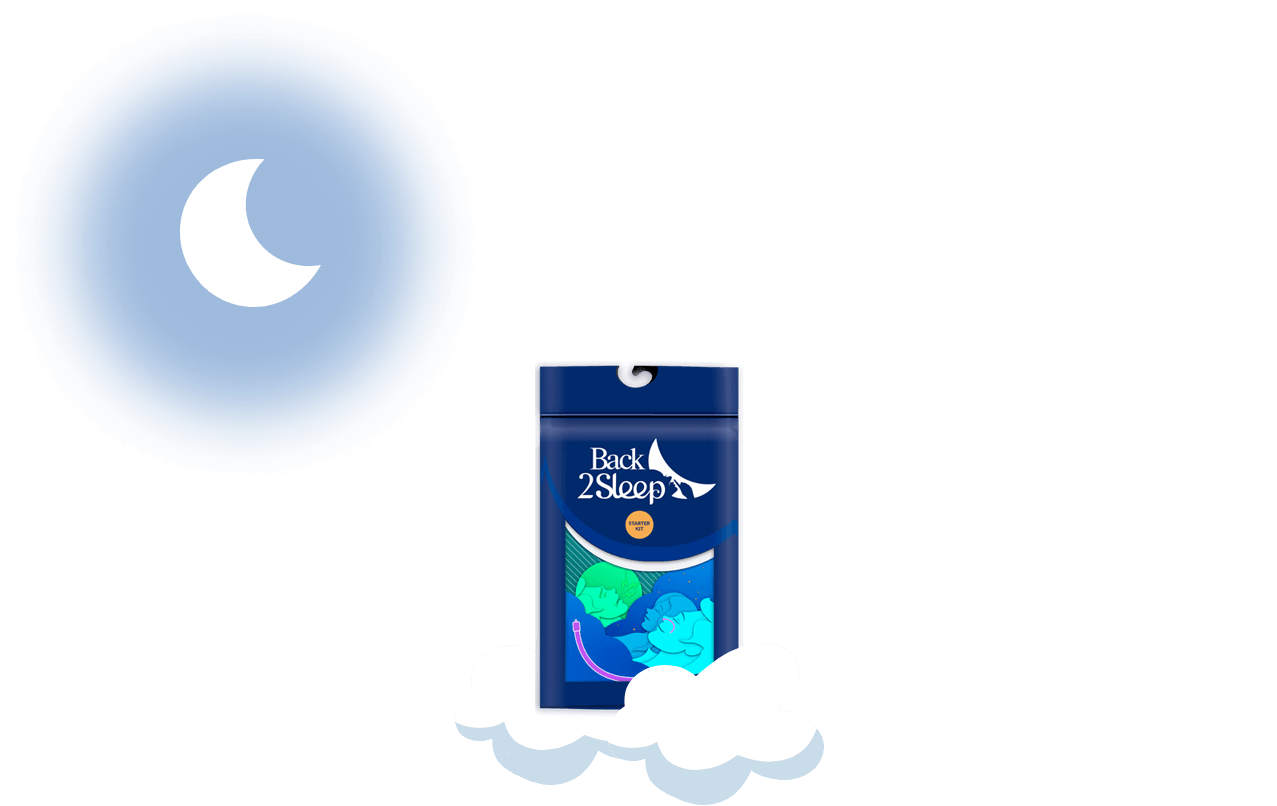
A nasal stent is a small, flexible device inserted into the nostril to hold the airway open during sleep. Unlike CPAP, it requires no electricity, no mask, and no tubing. The Back2Sleep nasal stent, for example, is a CE-certified Class I medical device made from soft silicone that reaches the soft palate to prevent airway collapse.
Clinical data from published studies show that nasal stents can reduce the Respiratory Event Index (REI) from 22.4 to 15.7 events per hour (p<0.01) and improve lowest oxygen saturation from 81.9% to 86.6% (p<0.01). Over 92% of users report satisfaction, with many experiencing results from the first night of use.

Oral Appliances (Mandibular Advancement Devices)
Custom-fitted by a dentist, these devices pull the lower jaw forward to widen the airway. They work best for mild to moderate OSA. Compliance rates reach approximately 90%, compared to roughly 50% for CPAP therapy. For about 70% of patients, oral appliance therapy reduces apnea severity by more than half.
Positional Therapy
For patients whose apnea worsens when sleeping on their back (supine-dependent OSA), positional therapy devices encourage side sleeping. Research shows this approach can reduce the Apnea-Hypopnea Index by roughly 7 events per hour. While less effective than CPAP at reducing AHI, many patients find it easier to maintain long term.
Lifestyle Modifications
Weight management, alcohol avoidance in the evening, and sleep hygiene improvements can meaningfully reduce apnea severity for some patients. A structured 6-month weight loss program may lower AHI significantly in overweight individuals.
| Treatment | Best For | Compliance Rate | Key Advantage |
|---|---|---|---|
| Nasal Stent | Mild–moderate OSA, snoring | High (92%+ satisfaction) | No mask, portable, works from night one |
| Oral Appliance | Mild–moderate OSA | ~90% | Custom-fitted, no electricity needed |
| Positional Therapy | Supine-dependent OSA | Moderate–high | Non-invasive, low cost |
| CPAP (non-recalled) | Moderate–severe OSA | ~50% | Most effective AHI reduction |
| Hypoglossal Nerve Stimulation | Moderate–severe OSA (CPAP intolerant) | High | Implanted, works automatically |
Why Recalled Patients Are Switching to Simpler Solutions
The psychological impact of the recall extends far beyond the physical health risks. Research shows that 46% of affected patients experienced psychological distress, and trust in respiratory medical devices dropped significantly.
For many, the appeal of a simpler, non-electric device is about more than convenience. It is about regaining control over a treatment that was taken away without warning.
Nasal stents offer several practical advantages for patients transitioning away from CPAP:
- No electricity required — works during power outages, travel, and camping
- 10-second insertion — no complex mask fitting or tube assembly
- Silent operation — no motor noise disturbing partners
- Travel-friendly — fits in a pocket, no TSA screening hassles
- No foam, no degradation risk — made from medical-grade silicone
- Immediate results — many users report reduced snoring from the first night
- Nasal stents are designed for snoring and mild to moderate obstructive sleep apnea
- They are not a replacement for CPAP in cases of severe OSA
- Always consult your sleep specialist before changing your treatment plan
- The Back2Sleep Starter Kit includes 4 sizes (S, M, L, XL) for a 15-night trial
How to Protect Yourself Going Forward
Whether you continue with CPAP therapy or explore alternatives, these steps can help safeguard your health and legal rights.
For Current CPAP Users
- Verify your device is not part of any active recall before continued use
- Never use ozone cleaners — the FDA has warned that UV and ozone CPAP cleaning devices are not FDA-cleared and may accelerate foam degradation
- Clean your device following manufacturer instructions only (mild soap and water)
- Inspect the foam regularly for visible degradation (dark particles in the airpath)
- Report symptoms to both your doctor and the FDA MedWatch program
For Patients Without Treatment
- Do not ignore sleep apnea. Untreated moderate-to-severe OSA increases cardiovascular risk by 2 to 3 times
- Get a new sleep study if your last one is more than 2 years old — your condition may have changed
- Explore non-CPAP options with your sleep specialist, including nasal stents, oral appliances, and positional therapy
- Monitor daytime symptoms — excessive drowsiness, morning headaches, and concentration problems suggest your apnea needs treatment
For Legal Protection
- Preserve your recalled device — it may be needed as evidence
- Keep all medical records documenting symptoms, treatments, and diagnoses
- Save receipts for replacement devices and related medical expenses
- Note the statute of limitations varies by state and country — consult an attorney promptly
Frequently Asked Questions
Is my Philips CPAP machine recalled?
Can I still file a lawsuit in 2026?
How much compensation can I receive?
Is it safe to keep using my recalled CPAP?
What are the best CPAP alternatives for sleep apnea?
Does a nasal stent work as well as CPAP?
Has Philips fixed all the recalled machines?
Take Control of Your Sleep Health
The Philips CPAP recall disrupted treatment for millions. But your sleep apnea does not have to go untreated. Whether you are exploring alternatives while waiting for a replacement or looking for a long-term solution that is simpler than CPAP, evidence-based options exist today.
The Back2Sleep nasal stent is a CE-certified medical device designed for snoring and mild to moderate sleep apnea. It inserts in 10 seconds, works silently, and travels anywhere. Over one million units sold across Europe.
Visit our FAQ page for detailed product information, or browse our sleep health blog for more research-backed guidance.
Start Your 15-Night Trial