
Comparing Different Types of Internal Nasal Dilators for Snoring Relief

A Practical Internal Nasal Dilator Comparison for Comfort, Evidence and EU Pricing
See exactly how internal nasal dilator designs differ on fit, clinical evidence, CE status and true cost per night before you choose one for your nose.
Why Shoppers Want an Internal Nasal Dilator Comparison Before Buying
An internal nasal dilator comparison matters because not every internal dilator sold today works the same way once it is inside your nose. Some are soft medical-grade stents developed to meet CE medical device standards; others are general wellness gadgets with little independent testing behind them. If you are still deciding between something that sits inside the nostril and something that sticks to the outside of your nose, our comparison of internal versus external nasal dilators covers that first choice.
This guide goes one step further. It lines up internal dilator designs against each other on mechanism, comfort, clinical evidence, EU regulatory status and real cost per night, so you can see exactly what separates a medical device from a comfort accessory before you spend anything.

How Internal Nasal Dilators Work Inside the Nose
Internal nasal dilators are small devices inserted just inside the nostrils to hold the nasal passage open during sleep. Most target the internal nasal valve, the narrowest point of the airway, located a short distance inside each nostril. Research published in 2022 describes the internal nasal valve as responsible for roughly 50 to 70 percent of total nasal airway resistance, with a cross-sectional area of only about 55 to 65 square millimetres in adults without nasal symptoms (Nasal Valve: Anatomy and Physiology, PMC, 2022).
Because that segment is so narrow, small amounts of tissue collapse or turbulence there can noticeably increase snoring. Widening it, even by a millimetre or two, can measurably improve airflow for some people. Frequent or heavy snoring is common: a 2023 population-based French cohort study found roughly 30 to 37 percent of adults snore frequently, which is one reason internal dilators have become a popular first step before more involved treatment (European Respiratory Society, ERJ Open Research, 2023).
- The internal nasal valve is the narrowest point of the nose and a common target for internal dilators.
- Frequent snoring affects roughly a third of French adults, which drives strong demand for nasal devices.
- Not all internal dilators reach or shape this zone the same way, which is why the comparison below matters.
Internal Nasal Dilator Comparison: Mechanism, Fit and Materials
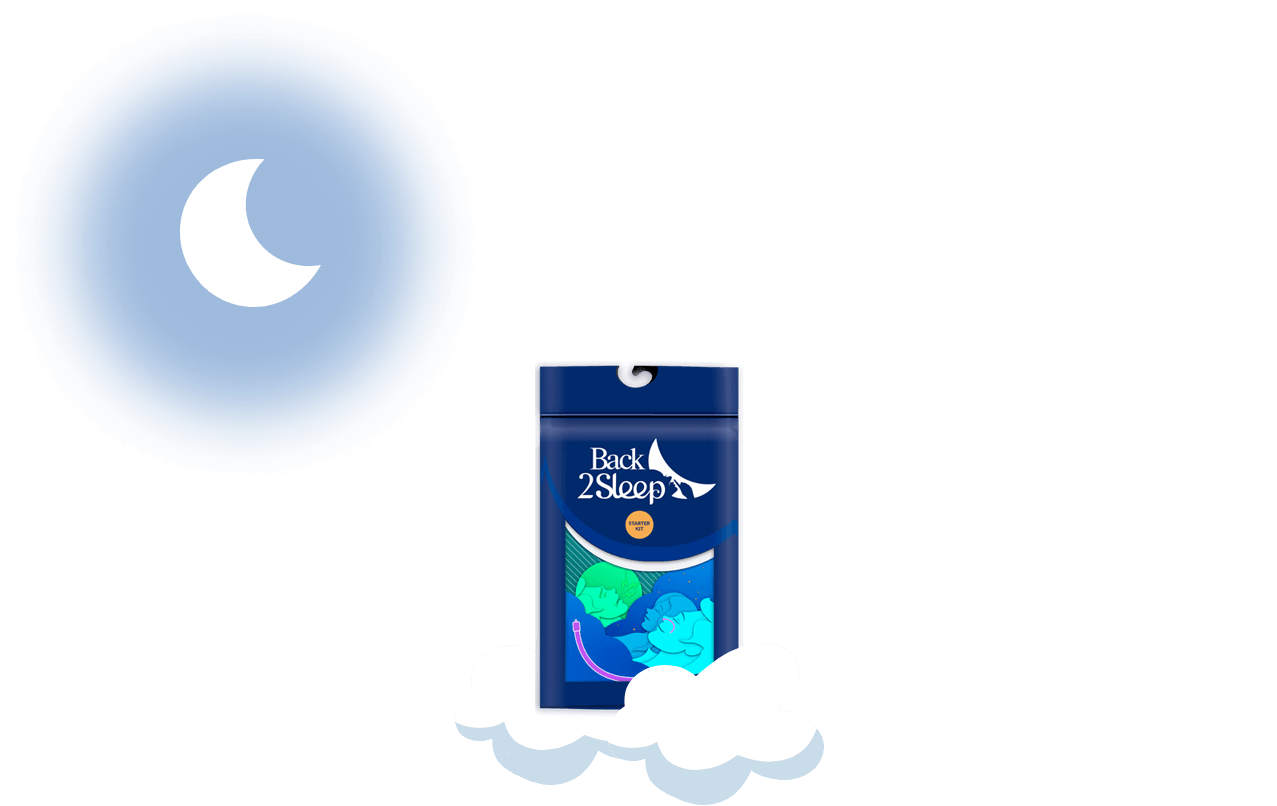
The internal dilator category is not one product. It splits into a few distinct designs that behave differently once inserted. A medical-grade stent, like Back2Sleep's soft silicone design, is shaped to gently push outward along more of the internal nasal valve area rather than pressing at a single point. Cone or spring-style dilators use a small internal spring or memory-shape cone that flares open just inside the nostril opening. Clip-style dilators are shallower still, resting mostly at the very entrance of the nostril rather than reaching the internal valve itself.
These are meaningful mechanical differences, not just marketing language. A device that only reaches the nostril entrance may do little for airflow restriction that originates slightly deeper in the nasal valve. The table below groups the main internal dilator designs available to European shoppers by mechanism, material and how they are typically sold.
| Device Type | Mechanism | Material | Sizing | Typical EU Status |
|---|---|---|---|---|
| Back2Sleep flexible stent | Gently expands the internal nasal valve area along its length | Medical-grade silicone | 4-size fitting kit | CE-certified Class I medical device, sold direct in the EU |
| Cone or spring-tension dilator | Spring or memory-shape cone flares just inside the nostril | Thermoplastic elastomer or metal spring core | Usually small/medium/large | Generally sold as a general wellness product, limited EU stock |
| Clip-style dilator | Shallow clip flares the nostril opening only | Flexible plastic or silicone tip | Often one size or two sizes | Generally sold as a general wellness product, limited EU stock |
| Multi-size cone kit | Similar cone principle with a wider size range | Silicone or thermoplastic | Multiple sizes, similar to Back2Sleep | Mostly non-EU retailers, EU availability inconsistent |
- Internal dilators differ by how deep they sit and how much of the nasal valve they actually reach.
- Stent-style devices tend to contact more of the internal valve than shallow clip-style designs.
- Only some internal dilators sold to European shoppers carry a formal CE medical device class.
Comfort and Side-Sleeper Fit Compared
Comfort is the number one reason people stop using a nasal dilator, more than any other factor. Rigid spring-core cone dilators can feel like constant pressure against the inside of the nostril, which some side-sleepers notice more when a pillow presses against the nose and cheek. Clip-style dilators sit more loosely and can shift or fall out overnight, particularly for people who move between sleeping positions.
A fully flexible silicone stent, by contrast, is designed to move with the nose rather than against it, which tends to suit side-sleepers and people who breathe through their mouth occasionally during the night. Fit still depends on getting the right size. A 2019 clinical comparison from the Italian Study Group on Snoring found that an internal dilator design was effective for a larger share of participants and produced better self-reported sleep quality over three test nights than an external adhesive nasal strip, underlining how much internal fit and material affect real-world comfort (Acta Biomedica Atenei Parmensis, Gelardi et al., 2019).
Clinical Evidence Behind Internal Nasal Dilators
Independent clinical evidence for internal nasal dilators is more limited than most product pages suggest. A 2016 systematic review and meta-analysis pooling 14 studies and 294 participants found that internal nasal dilators were associated with a mild improvement in Apnea Index, an average drop of 4.87 events per hour, compared with a slight increase for external dilators. However, neither internal nor external dilators produced a statistically significant change in overall AHI (apnea-hypopnea index, the standard measure of how often breathing is disrupted per hour of sleep), with a mean difference of just 0.36 events per hour (95% CI -2.05 to 2.77, p=0.64) (Pulmonary Medicine, systematic review and meta-analysis, PMC, 2016).
That distinction matters. It suggests internal dilators, as a category, may help snoring and mild breathing restriction more consistently than they resolve moderate or severe sleep apnea on their own. Some brand-specific figures circulating online are self-reported rather than independently verified. Several competing nasal dilator brands publish their own user-survey satisfaction figures on marketing pages rather than in peer-reviewed journals; these self-reported numbers are a marketing signal, not independent clinical proof, and should be weighed accordingly.
- Peer-reviewed evidence supports internal dilators for mild breathing improvement, not a cure for moderate-to-severe OSA.
- Manufacturer-reported percentages are not the same as independent clinical trial results, so treat them as a starting signal, not proof.
- Ask any brand whether its efficacy figures come from a published trial or an internal user survey before comparing numbers directly.
CE Certification and EU Medical Device Status Compared
CE certification is the marking that shows a product has been assessed against EU safety and performance requirements for medical devices. Back2Sleep is a CE-certified Class I medical device, made in France and regulated under EU medical device rules, which is a different legal category from a general wellness accessory. Our explainer on what CE Class I certification actually means breaks down what that classification does and does not guarantee.
Many internal dilators sold to European shoppers, particularly cone and clip-style designs originally built for other markets, are marketed as general comfort or wellness products rather than medical devices. That is not automatically a safety problem, but it does mean fewer formal design, testing and labelling obligations apply, and it is worth checking the packaging or listing for a CE mark and device class before buying.
- CE Class I status means a device has met defined EU safety and quality requirements, not just marketing claims.
- Not every internal dilator sold in the EU carries a medical device classification.
- Checking for a CE mark and device class takes a few seconds and separates medical-grade products from general accessories.
Snoring-Only Use Versus Mild-to-Moderate OSA Support
Internal nasal dilators are best suited to simple snoring and, for some CE-certified designs like Back2Sleep, as adjunct support for mild-to-moderate obstructive sleep apnea (OSA), generally understood as an AHI in the roughly 5 to 15 events-per-hour range. OSA is a condition where the airway repeatedly narrows or collapses during sleep, disrupting breathing and sleep quality. Most internal dilators, including cone and clip-style products, are positioned by their makers as snoring aids only and do not make mild-to-moderate OSA claims at all.
None of the current internal dilator designs, Back2Sleep included, are intended to manage moderate-to-severe OSA on their own, and the 2016 meta-analysis above found no significant AHI improvement across dilator types when pooled. If you already use, or have been advised to consider, a mandibular device or another form of airway support, our comparison of nasal stents and mandibular devices for different snoring types walks through which approach tends to fit which case.
Cost Per Night in EUR: An Internal Nasal Dilator Comparison
Price comparisons for internal dilators are usually shown in isolation, without factoring in how long each device actually lasts. A cheaper upfront price can still cost more per night if the material wears out or loses its shape after a few weeks. The table below estimates typical starter pricing and rough cost per night for the main internal dilator categories available to EU shoppers.
| Device Type | Approx. Starter Price | Typical Reusable Lifespan | Est. Cost per Night |
|---|---|---|---|
| Back2Sleep starter kit | ~€44.90 | Several months with regular cleaning | ~€0.12-0.23 |
| Cone or spring-tension dilator | ~€15-25 | Several weeks, softens with wear | ~€0.20-0.40 |
| Clip-style dilator | ~€10-20 | A few weeks | ~€0.20-0.35 |
| Multi-size cone kit | ~€20-30 | Several weeks to a couple of months | ~€0.20-0.35 |
Actual pricing varies by retailer, and several cone and clip-style dilators are not consistently stocked by EU sellers, which can add shipping cost and delivery time that a simple sticker-price comparison will not show. When a device is sold direct within the EU, like Back2Sleep's starter kit, the total cost of ownership is easier to predict because there is no cross-border duty or long shipping wait to factor in.
- A longer-lasting reusable design can cost less per night than a cheaper device that wears out quickly.
- EU-based direct shipping avoids the duty and delivery uncertainty that comes with importing from non-EU retailers.
- Always compare cost per night, not just the sticker price, when weighing internal dilator options.
How to Choose the Right Internal Nasal Dilator for You
1Start with your goal
If you only snore occasionally with no diagnosed breathing condition, most internal dilator types are a reasonable starting point. If you have mild-to-moderate OSA or suspect it, prioritise a CE-certified medical device and discuss your sleep study results with a doctor first.
2Check the regulatory status
Look for a CE mark and a stated device class on the packaging or product listing. This is the fastest way to separate a tested medical device from a general wellness accessory before you buy.
3Match the size, not the brand
A well-fitted mid-size dilator will usually outperform a poorly fitted premium one. Multi-size starter kits, including Back2Sleep's four-size fitting kit, exist specifically so you can test fit before committing to one size long term.
4Factor in total cost, not just price
Compare cost per night rather than sticker price, and confirm the retailer ships to your EU country without unpredictable duties or long delays.
- Match the device to your actual goal, snoring relief versus mild-to-moderate OSA support, before comparing brands.
- A CE mark and clear device class are the quickest filters for separating medical-grade options from wellness accessories.
- Fit and total cost of ownership matter more than the lowest listed price.

What Back2Sleep Users Say
Frequently Asked Questions
What is the difference between internal and external nasal dilators?
Internal nasal dilators are inserted just inside the nostrils to widen the internal nasal valve from within, while external dilators are adhesive strips worn on the outside of the nose. Internal designs generally reach further into the airway, though both types aim to reduce airflow resistance that contributes to snoring.
Do internal nasal dilators actually work for snoring?
A 2016 meta-analysis of 14 studies found internal nasal dilators were linked to a mild improvement in Apnea Index, though overall AHI change was not statistically significant. Evidence suggests they can help with simple snoring for many users, but results vary by fit, design and individual anatomy.
Which nasal dilator is most comfortable to sleep with?
Flexible silicone stents tend to be more comfortable for side-sleepers because they move with the nose instead of pressing rigidly against it. Spring-core cone dilators can feel firmer, while shallow clip-style designs may shift or fall out overnight if they are not well matched to nostril size.
Are internal nasal dilators safe to use every night?
CE-certified internal dilators like Back2Sleep are designed for nightly reuse when cleaned regularly and replaced on the recommended schedule. Always start with the smallest comfortable size, and see a doctor if you notice irritation, nosebleeds, or no improvement in symptoms after consistent use.
Can a nasal dilator help with sleep apnea or only snoring?
Some CE-certified internal dilators are intended for snoring and mild-to-moderate obstructive sleep apnea (roughly AHI 5-15), but current evidence does not support any internal dilator for moderate-to-severe OSA on its own. Anyone with a higher AHI should speak with a doctor about additional options.
How long do reusable internal nasal dilators last before replacement?
Medical-grade silicone stents typically hold their shape for several months with regular cleaning, while cheaper cone or clip-style dilators often soften or lose tension within a few weeks. Checking expected lifespan helps you compare true cost per night rather than just the upfront price.
What size nasal dilator should I choose?
Start with a multi-size fitting kit and test the smallest size that feels secure without pinching. A properly sized dilator should feel barely noticeable; if it feels tight or causes pressure, move up or down a size until breathing feels easy and unrestricted.
Ready for quieter nights? Discover the Back2Sleep starter kit and find the right fit for you.
Not sure if you are at risk? Take our sleep risk screening to find out in just a few minutes.
Want to learn how it works? Explore the Back2Sleep nasal stent designed for comfortable, effective relief.