
Home Sleep Test vs Lab Sleep Study: Which One Should You Choose?

Home Sleep Test vs Lab Sleep Study: Which Diagnostic Path Is Right for You?
Choosing between a home sleep apnea test (HSAT) and an in-lab polysomnography (PSG) affects your diagnosis accuracy, cost, and comfort. This evidence-based guide compares both options so you can make an informed decision with your doctor.
Why Getting the Right Sleep Test Matters
If you snore loudly, wake up gasping, or feel exhausted despite a full night in bed, your doctor may recommend a sleep study to check for obstructive sleep apnea (OSA). But here is where most people get confused: should you test at home or spend the night in a sleep lab?
The answer depends on your symptoms, your medical history, and what your doctor suspects. A home sleep test works well for many adults with straightforward suspected OSA. A lab study digs deeper when the clinical picture is more complex.
According to the American Academy of Sleep Medicine (AASM), both approaches have a clear role in diagnosing sleep-disordered breathing. The key is matching the right test to the right patient. In 2017, the AASM published clinical practice guidelines confirming that home sleep apnea testing with a technically adequate device can diagnose OSA in uncomplicated adults who show signs of moderate to severe disease.
- Home tests are convenient and affordable but measure fewer signals
- Lab studies are the diagnostic gold standard with comprehensive monitoring
- A negative home test does not rule out sleep apnea — follow-up lab testing may still be needed
- Your doctor decides which test fits your situation
Sleep Testing by the Numbers
These figures come from peer-reviewed research and insurance industry data. They illustrate why the testing choice matters financially and medically.
Sources: Sleep Foundation, GoodRx, PMC (NCBI), AASM Clinical Practice Guidelines 2017

What Is a Home Sleep Test (HSAT)?
A home sleep apnea test is a portable diagnostic device your doctor prescribes. You pick it up from a sleep clinic or receive it by mail, wear it for one or two nights in your own bed, then return it for analysis by a board-certified sleep medicine physician.
What a Home Test Measures
- Airflow through a nasal cannula sensor
- Blood oxygen saturation (SpO2) via a finger pulse oximeter
- Chest and abdominal effort through elastic belts
- Body position in some models
- Heart rate from the oximeter
What It Does Not Measure
Unlike a lab study, most home devices cannot record brain waves (EEG), eye movements (EOG), or muscle activity (EMG). This means the device cannot distinguish sleep from wakefulness. Instead of calculating your apnea-hypopnea index (AHI) based on actual sleep time, it uses total recording time, which can underestimate the true severity of your condition by 10–20%.
What Is an In-Lab Sleep Study (Polysomnography)?
Polysomnography, or PSG, is the gold standard for diagnosing sleep disorders. You spend one night at a sleep center where a trained technologist monitors you through the entire sleep period. The study uses 15–25 sensors that record a wide range of physiological data simultaneously.
Signals Recorded During a Lab Study
- Brain waves (EEG) — determines sleep stages and arousals
- Eye movements (EOG) — identifies REM sleep
- Muscle activity (chin and leg EMG) — detects bruxism, restless legs, REM behavior disorder
- Airflow via nasal cannula and thermistor
- Respiratory effort from chest and abdominal bands
- Blood oxygen by pulse oximetry
- Heart rhythm (ECG/EKG)
- Body position
- Snoring intensity via a microphone
- Limb movements
Because the technologist watches the data in real time, sensor issues get fixed immediately. If your doctor orders a split-night study, the second half of the night can be used to begin CPAP titration, saving you from needing a second appointment.
Side-by-Side Comparison: Home Test vs Lab Study
This table summarizes the practical differences that matter most to patients. Use it as a conversation starter with your sleep specialist.
| Feature | Home Sleep Test (HSAT) | Lab Polysomnography (PSG) |
|---|---|---|
| Location | Your own bedroom | Sleep lab or hospital |
| Sensors | 3–7 channels | 15–25+ channels |
| Sleep staging | Not available | Full EEG-based staging |
| Technologist present | No | Yes, all night |
| Typical cost | $150–$500 | $1,000–$3,500 |
| Insurance coverage | Usually covered for suspected OSA | Usually covered with referral |
| Comfort level | High — your own bed | Lower — unfamiliar environment |
| Wait time | Days to 1–2 weeks | Weeks to months |
| Accuracy for moderate–severe OSA | 84–91% in high-risk adults | Gold standard (>95%) |
| False-negative rate | Up to 17% | Very low (<5%) |
| Detects non-OSA disorders | No | Yes (narcolepsy, PLMD, parasomnias) |
| Split-night CPAP titration | Not possible | Available |
| Best for | Uncomplicated suspected moderate–severe OSA | Complex cases, comorbidities, or inconclusive home test |
What the AASM Guidelines Recommend
The American Academy of Sleep Medicine is the leading authority on sleep disorder diagnosis. Their guidelines, published in the Journal of Clinical Sleep Medicine, set clear boundaries for when each test is appropriate.
Home Test Is Appropriate When:
- The patient is an adult with signs and symptoms suggesting moderate to severe OSA
- There are no significant comorbidities (heart failure, COPD, neuromuscular disease)
- No other sleep disorder is suspected (narcolepsy, central sleep apnea, parasomnia)
- The device is technically adequate and the data will be reviewed by a qualified sleep physician
Lab Study Is Required When:
- A home test is negative, inconclusive, or technically inadequate
- The patient has significant cardiopulmonary disease
- Central sleep apnea or hypoventilation is suspected
- Concurrent sleep disorders are suspected (REM behavior disorder, periodic limb movements, narcolepsy)
- The patient uses chronic opioid medications
- The patient has had a stroke or neuromuscular disease
Real Patient Experiences: What to Actually Expect
Clinical data tells one story. Living through the test tells another. We gathered accounts from sleep apnea forums, patient communities, and published testimonials to show what each experience feels like. Names have been changed for privacy. Individual results may vary.
Home Test Experiences
Lab Study Experiences
These accounts reflect individual experiences shared in patient communities and published testimonials. Individual results may vary. Always consult a qualified sleep medicine physician for personal medical advice.
How Accurate Are Home Sleep Tests, Really?
Accuracy is the single biggest concern patients and physicians share about home testing. The research is nuanced. Here is what the published evidence says.
The AHI Underestimation Problem
A 2017 study in the Journal of Clinical Sleep Medicine found that when polysomnography data was rescored using recording time instead of actual sleep time (mimicking how home devices calculate), 26.4% of patients would be reclassified as having less severe or no sleep apnea at all. This means roughly one in four patients could receive a misleadingly mild result from a home test.
Sensitivity and Specificity
For Type III home devices (the most common type prescribed) tested against polysomnography:
- At an AHI cutoff of 5 or more events per hour: accuracy ranges from 84% to 91%
- At an AHI cutoff of 15 or more: accuracy reaches approximately 88%
- False-negative rates range from 17% to as high as 46% depending on the study population and device
- False-positive rates remain low at 5–10%
Who Gets Missed?
Home tests are least reliable for:
- Women — tend to have more REM-related and supine-specific apnea that home devices undercount
- Younger adults — may have lighter sleep with more arousals that home devices cannot detect
- Normal-weight individuals — their apnea patterns differ from the obese population most devices are optimized for
- Mild OSA patients — the underestimation effect can push borderline cases below the diagnostic threshold
- A positive home test is generally reliable — if it shows moderate or severe OSA, you likely have it
- A negative home test does not mean you are fine. The AASM recommends follow-up polysomnography when clinical suspicion remains high
- Home tests cannot detect central sleep apnea, periodic limb movement disorder, narcolepsy, or parasomnias
Step-by-Step: What Happens During Each Test
Home Sleep Test Process
Doctor Evaluation
Your physician assesses symptoms and determines if you qualify for home testing.
Device Pickup or Delivery
You receive the portable monitor from the clinic or by mail with written instructions.
Self-Setup at Bedtime
Attach the nasal cannula, finger clip, and chest belt. Takes about 5 minutes.
Sleep & Return
Sleep normally for 1–2 nights. Return device for data analysis by a sleep specialist.
Lab Study Process
Referral & Scheduling
Your doctor sends a referral. Wait time varies from weeks to months depending on your area.
Evening Arrival
Arrive at the sleep center around 8–9 PM. Bring pajamas and personal items.
Sensor Application
A technologist applies 15–25 sensors to your scalp, face, chest, and legs. Takes about 45 minutes.
Monitored Sleep
Sleep while the tech monitors your data in real time. If needed, CPAP is started mid-study.
Cost & Insurance: A Practical Breakdown
The financial difference between tests is significant. Here is what you need to know about paying for sleep diagnosis in the United States and Europe.
| Cost Factor | Home Test | Lab Study |
|---|---|---|
| Without insurance (USA) | $150–$500 | $1,000–$3,500+ |
| Medicare coverage | 80% covered after deductible | 80% covered after deductible |
| Typical copay | $30–$100 | $200–$700 |
| EU / France (Securite Sociale) | Generally covered with prescription | Covered with specialist referral |
| Hidden costs | Possible repeat test if inconclusive | Time off work, travel, parking |
| Time investment | ~30 minutes total setup | ~12 hours (evening to morning) |
Starting January 2026, some US insurance plans now require prior authorization for certain sleep study procedures. Check with your provider before scheduling.
When a Home Test Is Enough
For many people, a home sleep test provides everything needed for diagnosis and treatment. You are a good candidate if:
- You are an adult with loud snoring, witnessed breathing pauses, and daytime sleepiness
- You have a BMI over 30 or a neck circumference above 17 inches (men) or 16 inches (women)
- You have no major heart, lung, or neurological conditions
- Your doctor suspects moderate to severe obstructive sleep apnea specifically
- You are comfortable setting up a simple device by yourself
If your home test confirms moderate or severe OSA, your doctor can prescribe treatment immediately — whether that means CPAP, a mandibular advancement device, positional therapy, or a nasal stent designed for airway support.
When You Need a Lab Study
Some situations absolutely require the comprehensive monitoring of polysomnography. A lab study is necessary if:
- Your home test was negative or inconclusive but you still have symptoms
- You have heart failure, COPD, or another significant cardiopulmonary condition
- Your doctor suspects central sleep apnea or Cheyne-Stokes breathing
- You take opioid medications chronically
- Symptoms suggest a non-breathing sleep disorder like narcolepsy, restless leg syndrome, or REM behavior disorder
- You need CPAP titration (though auto-titrating CPAP is increasingly used without a lab)
- You are being evaluated before surgery (upper airway or bariatric)
After Your Diagnosis: Treatment Options
Regardless of which test diagnoses your sleep apnea, treatment usually starts quickly. Your options depend on your AHI severity and personal preferences.
CPAP Therapy
Gold standard for moderate to severe OSA. Continuous positive airway pressure keeps your airway open all night. Requires mask, machine, and regular cleaning.
Oral Appliances
Custom-fitted mandibular advancement devices push your lower jaw forward. Effective for mild to moderate OSA and those who cannot tolerate CPAP.
Nasal Stents
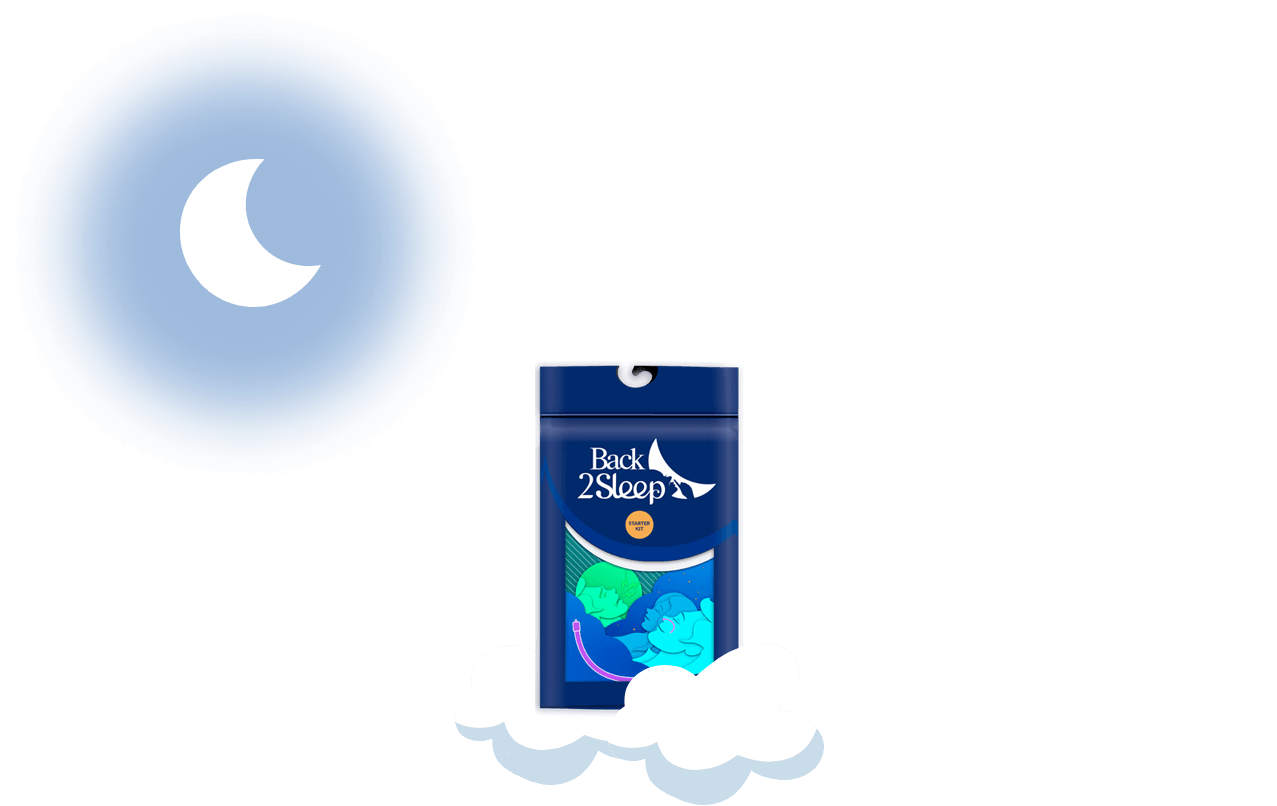
Soft silicone devices inserted into the nostril to support airflow and reduce snoring. Portable, quiet, and electricity-free. The Back2Sleep starter kit includes four sizes.
Lifestyle Changes
Weight loss, positional therapy, avoiding alcohol before bed, and regular exercise can reduce AHI by 25–50% in some patients with mild to moderate disease.
Many patients combine approaches. For example, someone with mild OSA might use a nasal stent for airway support alongside positional therapy and weight management. The right combination depends on your specific diagnosis and lifestyle needs.
5 Common Mistakes People Make With Sleep Testing
After reviewing hundreds of patient accounts and clinical reports, these are the errors that come up most often.
1. Assuming a Normal Home Test Means No Sleep Apnea
Up to 17% of home tests produce false negatives. If you still snore loudly, wake up gasping, or feel crushed by fatigue, push for a lab study. A normal result from a limited test does not override clear symptoms.
2. Drinking Alcohol the Night of the Test
Alcohol relaxes your airway muscles and can worsen apnea artificially. This inflates your AHI and may lead to overdiagnosis. Avoid alcohol for at least 24 hours before either test for the most accurate result.
3. Taking Sleeping Pills to Sleep Better During the Study
Sedatives change your sleep architecture and can mask or exaggerate breathing events. Only take medications your sleep doctor has specifically approved for the test night.
4. Not Reporting All Symptoms
Tell your doctor about everything — not just snoring. Morning headaches, teeth grinding, leg kicking, acting out dreams, and nocturia all help determine which test you need. Omitting details could land you in the wrong test.
5. Delaying Testing Because of Cost or Inconvenience
Untreated moderate to severe sleep apnea increases your risk of hypertension, stroke, heart attack, and motor vehicle accidents. The cost of a sleep test is a fraction of the cost of these consequences. Most insurance plans cover testing when ordered by a physician.
Frequently Asked Questions
Can a home sleep test diagnose all types of sleep apnea?
No. Home tests are designed to detect obstructive sleep apnea only. They cannot diagnose central sleep apnea, complex sleep apnea, narcolepsy, periodic limb movement disorder, or parasomnias. If your doctor suspects anything beyond straightforward OSA, an in-lab polysomnography is required.
How long does it take to get results from each test?
Home test results typically come back within 3 to 7 business days after the device is returned. Lab study results may take 1 to 3 weeks because a sleep specialist must manually score hundreds of pages of data. Ask your sleep center for their specific timeline.
What if I cannot sleep during a lab study?
Most patients sleep better than they expect. Sleep technologists report that the vast majority of patients get at least 4 to 5 hours of recordable sleep, which is enough for a reliable diagnosis. The unfamiliar environment and sensors feel strange, but fatigue from sleep deprivation often helps people fall asleep. If you truly cannot sleep, the study may need to be rescheduled.
Is a home sleep test covered by insurance?
Medicare, Medicaid, and most private insurance plans in the United States cover home sleep apnea tests when ordered by a physician for suspected obstructive sleep apnea. In Europe, national health systems and supplemental insurance generally cover prescribed sleep testing. Always verify coverage with your specific provider before scheduling.
Can I use a consumer sleep tracker instead of a medical home sleep test?
Consumer wearables like smartwatches and ring trackers provide interesting data about sleep patterns, but they are not FDA-cleared or CE-marked diagnostic devices. They cannot measure airflow or respiratory effort, which are essential for diagnosing sleep apnea. A consumer tracker can motivate you to talk to your doctor, but it cannot replace a prescribed home sleep test or lab study.
What happens if my home test comes back negative but I still snore?
Snoring without sleep apnea is called primary snoring and is very common. However, if you also have daytime fatigue, witnessed pauses in breathing, or morning headaches, ask your doctor about a follow-up in-lab study. Home tests have a false-negative rate of up to 17%, and a lab study provides more comprehensive data. A nasal stent or oral appliance may still help with snoring even without an apnea diagnosis.
How does sleep testing relate to using a nasal stent like Back2Sleep?
A sleep test determines whether you have sleep apnea and how severe it is. Based on your results, your doctor may recommend treatments ranging from CPAP to oral appliances to nasal stents. The Back2Sleep nasal stent is a CE-certified medical device designed to support nasal airflow and may help reduce snoring. Your sleep test results help your healthcare provider determine which treatment approach is most appropriate for your specific condition.
Quick Decision Guide: Which Test Should You Ask About?
| Your Situation | Recommended Test | Why |
|---|---|---|
| Loud snoring + daytime sleepiness, no other conditions | Home Test | Classic suspected OSA profile; home test is convenient and sufficient |
| Overweight with witnessed breathing pauses | Home Test | High pre-test probability of moderate–severe OSA |
| Heart failure or COPD with sleep complaints | Lab Study | Cardiopulmonary conditions require comprehensive monitoring |
| Kicking legs at night, acting out dreams | Lab Study | Suggests PLMD or REM behavior disorder; needs EMG/EEG |
| Home test was normal but symptoms persist | Lab Study | False-negative rate of home tests warrants follow-up |
| Need CPAP titration | Lab Study (or auto-CPAP) | Split-night study can diagnose and titrate in one visit |
| Taking opioid medications daily | Lab Study | Opioids cause central apnea events invisible to home devices |
This guide is informational only. Your doctor will make the final recommendation based on your complete medical history and clinical examination.
The Most Important Step Is the First One
Whether you end up with a home sleep test or an overnight lab study, what matters most is that you get tested. An estimated 80% of moderate to severe sleep apnea cases remain undiagnosed, according to the AASM. Every night of untreated apnea adds strain to your heart, fragments your sleep, and steals your energy.
Talk to your doctor about your symptoms. Ask which test is right for your situation. And once you have a diagnosis, explore the full range of treatment options — from CPAP to oral appliances to simple, portable solutions like the Back2Sleep intranasal stent.
Better sleep starts with knowing what is happening when your eyes close. The right test gives you that answer.