
Nasal Stent vs Mandibular Advancement Device: Which Fits Your Snoring Type?

Nasal Stent vs Mandibular Advancement Device: Matching the Right Fix to How You Snore
A nasal stent opens your nose. A MAD pushes your jaw forward. Learn which one matches your snoring type, budget, and comfort needs.
Nasal Stent vs Mandibular Advancement Device: How to Choose
Two of the most popular non-CPAP snoring devices work in completely different ways. A nasal stent sits inside your nostrils and keeps the nasal passage open. A mandibular advancement device (MAD) fits over your teeth and pushes your lower jaw forward. Both reduce snoring, but one will suit you far better than the other depending on where your snoring starts.
This head-to-head comparison covers comfort, effectiveness, cost, side effects, and which snoring type each device solves best. If you have already compared other options, check our nasal dilator vs mouth guard guide for more detail.

How Each Device Works
Nasal Stent (Internal Dilator)
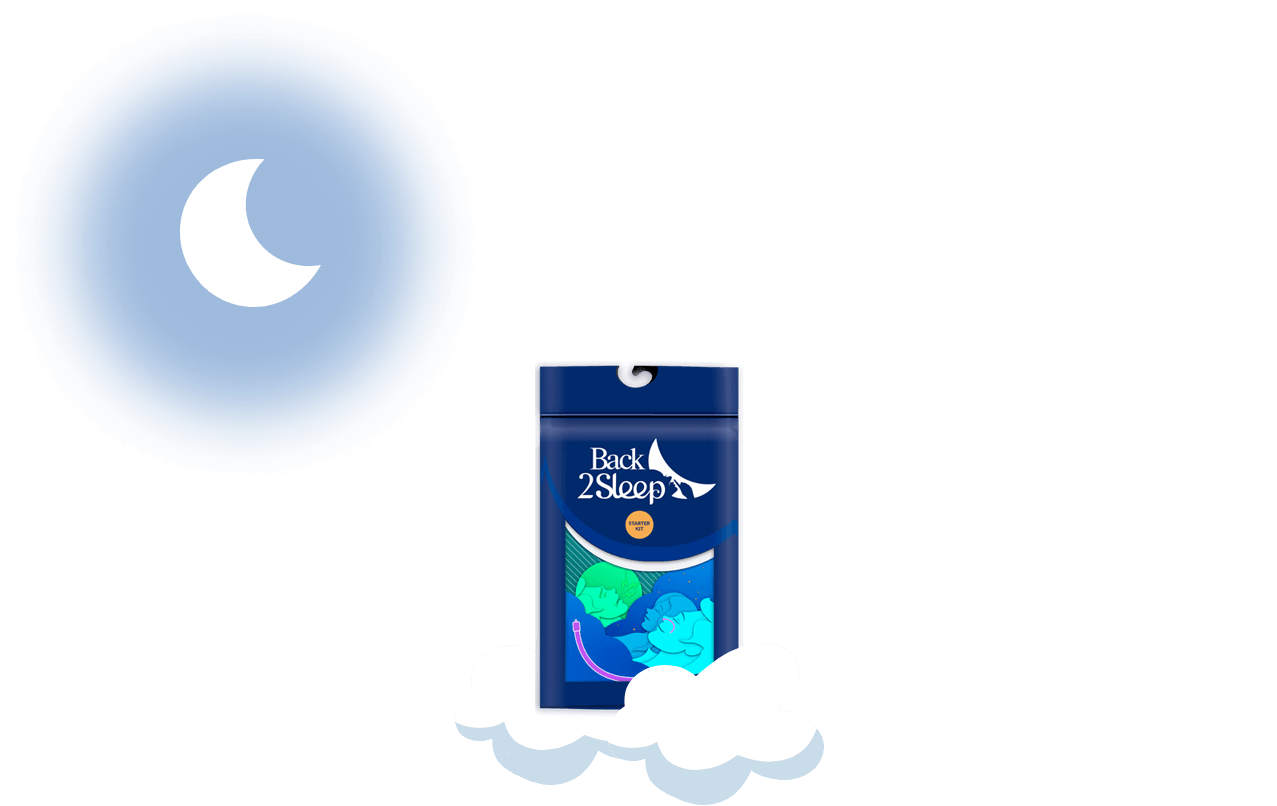
A soft, flexible silicone tube inserted into the nostrils. It gently pushes the nasal walls apart from the inside, increasing airflow by up to 58%. The Back2Sleep nasal stent extends slightly into the nasopharynx for deeper airway support.
- Target: nasal obstruction, nasal-origin snoring
- Fit time: seconds
- Adjustment period: 1-3 nights
Mandibular Advancement Device (MAD)
A dental appliance worn over both upper and lower teeth. It holds the lower jaw 2-5 mm forward, which tightens the tissue at the back of the throat and prevents collapse. Custom-fitted MADs from a dentist cost $1,500-$3,000; boil-and-bite versions cost $30-$100.
- Target: throat-level obstruction, tongue-base snoring
- Fit time: 5-15 minutes (boil-and-bite) or 2 dental visits (custom)
- Adjustment period: 2-4 weeks
Side-by-Side Comparison: Nasal Stent vs MAD
| Factor | Nasal Stent | MAD (Mandibular Device) |
|---|---|---|
| How it works | Opens nasal airway from inside | Advances lower jaw forward |
| Best for | Nasal congestion, deviated septum, nasal-origin snoring | Tongue-base snoring, mild-moderate OSA |
| Comfort rating | High (soft silicone, minimal bulk) | Moderate (jaw pressure, teeth contact) |
| Adjustment period | 1-3 nights | 2-4 weeks |
| Cost | $25-$60 for starter kit | $30-$100 (OTC) or $1,500-$3,000 (custom) |
| Common side effects | Mild nasal dryness (first few nights) | Jaw pain, tooth shifting, excess drooling |
| Prescription needed? | No | No (OTC) / Yes (custom) |
| Can use with CPAP? | Yes | No |
| AHI reduction (studies) | Up to 50% in nasal-origin OSA | 40-60% in mild-moderate OSA |
| Lifespan | 1-3 months per stent | 6-12 months (OTC) / 3-5 years (custom) |
Which Snoring Type Do You Have?
The most important question is not "which device is better?" but "where does your snoring come from?" Here is how to tell.
You Likely Need a Nasal Stent If...
- You breathe through your mouth at night because your nose feels blocked
- Snoring gets worse during allergy season or with a cold
- You have a deviated septum or nasal valve collapse
- Nasal strips help but keep falling off
- You want the simplest, most portable option
You Likely Need a MAD If...
- Your nose is clear but you still snore loudly
- You snore mostly on your back with your mouth open
- A partner sees your jaw dropping back during sleep
- A sleep study shows tongue-base obstruction
- You have mild-to-moderate OSA and cannot tolerate CPAP
Side Effects Compared
Nasal Stent Side Effects
- Mild nasal dryness for the first 2-3 nights (resolves naturally)
- Slight tickling sensation during insertion (lasts seconds)
- Rare: minor nasal irritation if the wrong size is used
MAD Side Effects
- Jaw pain or stiffness, especially in the first weeks
- Excessive drooling during sleep
- Temporary bite changes in the morning
- Long-term: possible permanent tooth movement or TMJ issues
- Difficulty with mouth breathing if nasal congestion occurs
Making Your Decision: Nasal Stent or MAD?
- Nasal stents work best for nasal-origin snoring (congestion, deviated septum, allergies)
- MADs work best for throat-level snoring (tongue-base collapse, mild-moderate OSA)
- Nasal stents cost less, adapt faster, and have fewer side effects
- Custom MADs are more effective than OTC versions but cost 30-50x more
- Using both devices together can help if you snore from nose and throat
Start with the simpler, lower-risk option. Try the Back2Sleep starter kit which includes multiple sizes so you find the right fit. Learn more about what your AHI score means before deciding on treatment intensity.
If you are exploring surgery-free options, see our full comparison of sleep apnea treatments without CPAP.

What Back2Sleep Users Say
Frequently Asked Questions
What is the difference between a nasal stent and a mandibular advancement device?
A nasal stent is a small silicone tube placed inside the nostrils to open the nasal airway. A mandibular advancement device (MAD) is a dental appliance that pushes the lower jaw forward to open the throat. They treat different types of snoring.
Which device is better for snoring, a nasal stent or a MAD?
It depends on where your snoring originates. If nasal congestion or a deviated septum causes your snoring, a nasal stent is more effective. If your tongue falls back and blocks your throat, a MAD works better. Some people benefit from using both.
Can you use a nasal stent and a MAD at the same time?
Yes. Using both together can be highly effective because the nasal stent ensures clear nasal breathing while the MAD keeps the throat open. This combination is especially useful for people who snore from both the nose and throat.
How much does a mandibular advancement device cost?
Over-the-counter boil-and-bite MADs cost $30 to $100. Custom-fitted MADs from a dentist cost $1,500 to $3,000 and are more effective. By comparison, a nasal stent starter kit costs $25 to $60.
Do mandibular advancement devices cause permanent jaw problems?
Long-term MAD use can cause gradual tooth movement, bite changes, and TMJ discomfort in some users. Studies show about 15-20% of long-term users experience measurable bite changes. Nasal stents do not carry these dental risks.
Ready for quieter nights? Discover the Back2Sleep starter kit and find the right fit for you.
Not sure if you are at risk? Take our sleep risk screening to find out in just a few minutes.
Want to learn how it works? Explore the Back2Sleep nasal stent designed for comfortable, effective relief.