
Nasal Breathing Disorders: A Comprehensive 2026 Patient Guide

Nasal Breathing Disorders in 2026: Eight Conditions, Diagnostic Paths, and Treatment Options
Eight conditions explained, with European diagnostic pathways, drug options sold in EU pharmacies, and a clear treatment ladder from saline to surgery.
Nasal breathing disorders affect roughly one in three European adults at some point each year. The eight most common conditions are deviated septum, nasal valve collapse, allergic rhinitis, non-allergic chronic rhinitis, nasal polyps, turbinate hypertrophy, chronic sinusitis, and chronic mouth breathing. Each has distinct causes, different European diagnostic routes, and a specific treatment ladder.
This guide explains each condition in plain language. It maps the European care pathway from primary care to ENT specialist. It compares the most effective treatments, including the Back2Sleep intranasal stent positioned as a first-line non-surgical option for nasal valve collapse and snoring. For a wider view of how nasal anatomy affects sleep, see our primer on nose vs mouth breathing.
- Eight separate conditions cause most chronic nasal blockage.
- Most cases respond to non-surgical care if the right diagnosis is made.
- Nasal valve collapse is the most missed diagnosis and the easiest to treat at home.
- EU pharmacies sell most front-line treatments without prescription.

How European doctors diagnose nasal breathing disorders
European care pathways start with the general practitioner (GP), médecin traitant in France, Hausarzt in Germany, médico de cabecera in Spain, huisarts in the Netherlands, medico di medicina generale in Italy, or NHS GP in the UK. The GP handles allergy testing and prescribes first-line nasal sprays. Persistent or anatomical cases are referred to an ENT specialist (otorhinolaryngologist, oto-rhino-laryngologiste, HNO-Arzt, otorrinolaringólogo, KNO-arts, otorinolaringoiatra).
The five-step EU diagnostic pathway
- Symptom history. Duration, side, triggers, family history, sleep impact.
- Anterior rhinoscopy. The GP looks into each nostril with a speculum and light.
- Modified Cottle test. Cheek pulled gently outward to test for valve collapse.
- Allergy panel. Skin-prick or specific IgE blood test on referral.
- ENT endoscopy and imaging. Flexible nasendoscopy, CT scan if structural concern.
When to see an ENT immediately
Some signs warrant urgent referral rather than a wait-and-see approach.
- One-sided block lasting more than four weeks.
- Bleeding, crusting, or numbness localised to one nostril.
- Loss of smell that does not return after a cold.
- Visible facial swelling or pain over the cheek or forehead.
- Snoring with witnessed breathing pauses.

Deviated septum: anatomy, symptoms, and care
A deviated septum is a sideways shift of the wall between the two nasal cavities. About 80 percent of adults have some deviation, but only 20 to 25 percent have a clinically significant block. The deviation can be congenital, from birth shape, or acquired, after a sports injury or childhood facial trauma.
Key symptoms
- One nostril blocked more than the other.
- Recurrent sinus infections on the blocked side.
- Loud snoring that worsens lying on the blocked side.
- Chronic dryness or nosebleeds from the deviation point.
European treatment ladder
EU ENT specialists step through three tiers before recommending surgery. Read more in our piece on deviated septum and snoring.
| Tier | Treatment | Evidence | Typical EU cost |
|---|---|---|---|
| 1 | Saline rinse + intranasal corticosteroid | Reduces edema, opens narrowed channel | 10 to 25 euros per month over the counter |
| 2 | Intranasal stent worn at night | Mechanical opening of the narrow side | 39 euros starter kit |
| 3 | Septoplasty surgery | Permanent realignment, 85 percent satisfaction at one year | Covered by EU public systems for documented impact |
- Try the conservative tiers for at least three months before surgical referral.
- Septoplasty does not improve aesthetics and is purely functional.
- Combined septorhinoplasty exists but is rarely covered by public insurance.
Nasal valve collapse: the most missed diagnosis
Nasal valve collapse is dynamic narrowing of the soft area inside the nostril, just past the entrance. It happens during inhalation when negative pressure pulls the cartilage inward. Up to 13 percent of chronic nasal obstruction cases are caused by valve collapse, yet it is rarely detected on a quick GP exam.
How the modified Cottle test works
The patient breathes normally while the doctor pulls the cheek outward, opening the valve area. If breathing improves dramatically, valve collapse is confirmed. The test takes 10 seconds, requires no equipment, and any GP can perform it. If your doctor has not done it, ask.
Treatment options for valve collapse
Internal nasal stent
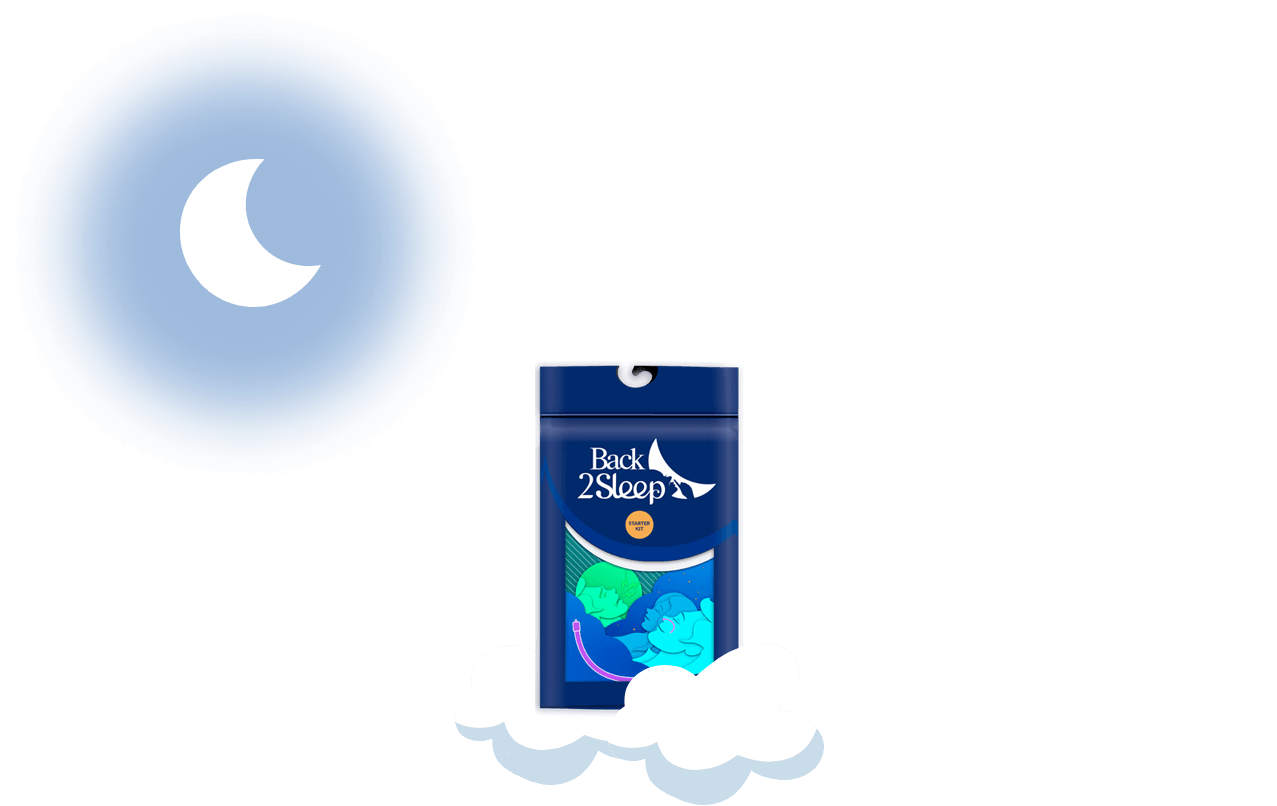
Soft silicone tube placed inside the nostril at night. Opens the valve mechanically. The Back2Sleep stent is CE-certified Class I and available in 4 sizes (XS to L). Available without prescription in EU pharmacies and online from 39 euros.
External nasal strip
Adhesive strip on the outside of the nose. Lifts the nostril walls slightly. Less effective than internal stents and only addresses the upper valve. Roughly 30 percent reduction in snoring intensity in published trials.
Nasal valve surgery
Lateral wall reconstruction or batten graft. Performed by ENT plastic surgeons. Effective in 70 to 80 percent of cases but invasive, with two weeks of recovery. EU public coverage varies by country.
Allergic rhinitis: the most common cause of chronic congestion
Allergic rhinitis affects roughly 13 percent of European adults and 17 percent of children. It is an inflammatory response to inhaled allergens, with pollen (hay fever) and house-dust mites as the leading triggers. The European Academy of Allergy and Clinical Immunology (EAACI) classifies it as intermittent or persistent, mild or moderate to severe.
Diagnostic clues
- Sneezing in clusters of 5 or more.
- Watery clear discharge.
- Itchy nose, eyes, or throat.
- Bilateral symptoms (both sides).
- Seasonal pattern or pet exposure trigger.
EU first-line treatments
- Allergen avoidance. Mite-proof covers, HEPA filters, pollen-tracker apps.
- Saline rinses. Twice-daily isotonic or hypertonic rinses cut symptoms by 30 to 40 percent.
- Second-generation oral antihistamines. Cetirizine, loratadine, desloratadine sold over the counter in most EU pharmacies.
- Intranasal corticosteroids. Mometasone, fluticasone over the counter in EU. Apply daily for two to four weeks before judging effect.
- Allergen immunotherapy. Sublingual or subcutaneous, prescribed for severe persistent cases. Three to five years of treatment, often partially reimbursed by EU public systems.
Non-allergic chronic rhinitis
Non-allergic rhinitis (NAR) is chronic inflammation of the nasal lining without an allergen trigger. It accounts for roughly 25 to 30 percent of all chronic rhinitis cases in Europe. It is diagnosed by exclusion when allergy tests are negative.
Common triggers
- Cold air, temperature changes, weather fronts.
- Strong odours: perfume, cleaning products, paint, smoke.
- Spicy foods (gustatory rhinitis).
- Hormonal shifts (pregnancy, menstrual cycle, thyroid disease).
- Medications: ACE inhibitors, beta-blockers, contraceptive pills.
- Stress and emotional triggers (vasomotor rhinitis).
Treatment that works
Saline rinses, intranasal corticosteroids, and antihistamine sprays such as azelastine remain first line. Avoiding the trigger and writing a daily journal often pinpoints the irritant. For sleep-related congestion, an intranasal stent prevents nighttime collapse without adding medication.
Nasal polyps
Nasal polyps are benign, soft, teardrop-shaped growths in the lining of the nose and sinuses. Around 4 percent of European adults develop them, more often men over 40 and people with asthma or aspirin sensitivity (the Samter triad). Polyps are not cancer, but a one-sided polyp must always be biopsied to rule out a tumour.
Symptoms
- Persistent stuffy nose despite sprays.
- Loss of smell (anosmia) and taste.
- Post-nasal drip and chronic cough.
- Facial pressure across forehead and cheeks.
- Snoring that worsens over months.
Treatment options in Europe
| Approach | How it helps | EU access |
|---|---|---|
| Topical corticosteroid spray | Shrinks small polyps, reduces inflammation | Over the counter or GP prescription |
| Short oral corticosteroid course | Rapid shrinkage of large polyps | GP or ENT prescription, time-limited |
| Biologic injections (dupilumab, omalizumab, mepolizumab) | Targets type 2 inflammation, reduces polyp size | ENT prescription, reimbursed by major EU systems for severe disease |
| Functional endoscopic sinus surgery (FESS) | Removes large polyps and opens sinus drainage | Public coverage in all EU-5 countries |
Turbinate hypertrophy
The inferior turbinates are bony shelves on each lateral wall covered with erectile tissue that swells and shrinks. Turbinate hypertrophy means the swelling has become permanent due to chronic inflammation, allergy, or anatomy. It produces a stuffy nose that worsens at night when lying down, with side-to-side alternation called the nasal cycle.
Conservative treatment
- Intranasal corticosteroids for 8 to 12 weeks.
- Saline rinses twice daily.
- Allergen control if allergic component present.
- Sleep with the head of the bed raised 10 to 15 centimeters.
- Trial of an intranasal stent for nighttime obstruction.
When surgery is offered
Persistent severe block after 12 weeks of medical treatment may justify turbinoplasty. EU ENT teams favour minimally invasive techniques: radiofrequency ablation, microdebrider reduction, or coblation. These outpatient procedures take under 30 minutes, recover within a week, and rarely cause empty-nose syndrome when performed conservatively.
Chronic sinusitis
Chronic rhinosinusitis (CRS) is inflammation of the nasal and sinus lining lasting more than 12 weeks. The European Position Paper on Rhinosinusitis (EPOS 2020) is the reference guideline used across EU ENT services. CRS is divided into CRS with polyps (CRSwNP) and CRS without polyps (CRSsNP).
Diagnostic criteria (EPOS)
Two or more symptoms for 12 weeks, plus endoscopy or CT evidence:
- Nasal blockage or congestion.
- Discoloured nasal discharge or post-nasal drip.
- Facial pain or pressure.
- Reduction or loss of smell.
Stepwise EU treatment
- Saline rinses + topical corticosteroid spray. First line for at least 12 weeks.
- Short antibiotic course. Only if bacterial superinfection confirmed.
- Long-term low-dose macrolide. Considered for refractory CRSsNP under specialist supervision.
- Biologics for severe CRSwNP. Dupilumab, mepolizumab, omalizumab.
- FESS surgery. Reserved for medical-failure cases.
Chronic mouth breathing
Chronic mouth breathing is the habit of breathing through the mouth instead of the nose during sleep, exercise, or rest. It often develops because nasal breathing has been blocked for years, and the brain rewires the default pattern. By the time the obstruction is treated, the habit persists.
Why it harms health
- Dries the airway and reduces protective mucus.
- Bypasses nitric oxide production from the nasal lining (15 to 25 percent of total).
- Promotes snoring and sleep apnea.
- Reshapes the face in children: long face, narrow palate, dental crowding.
- Increases dental caries by drying saliva.
Reversal strategy
Once the underlying nasal obstruction is treated, retraining the breathing pattern takes 4 to 12 weeks. See our guide on how to stop mouth breathing for the full programme.
- Treat the underlying nasal cause first.
- Use myofunctional exercises to strengthen tongue posture.
- Keep the mouth closed during the day with conscious cues.
- Use a nasal stent at night to make nasal breathing comfortable.
- Consider mouth taping only after a sleep specialist has ruled out apnea.
The master decision tree
Use this ladder to find the right starting point. It is built around symptom dominance, not severity. If two conditions overlap, treat the dominant symptom first.
| Dominant symptom | Likely cause | Step 1 (this week) | Step 2 (this month) | Step 3 (specialist) |
|---|---|---|---|---|
| One nostril blocked | Deviated septum | Saline rinse | Intranasal stent + steroid spray | ENT for septoplasty |
| Nostril collapse on inhalation | Nasal valve collapse | Cottle self-test | Intranasal stent (39 euros) | ENT for valve graft |
| Sneezing + itch + watery | Allergic rhinitis | Avoid allergen, antihistamine | Steroid spray daily | Allergist for immunotherapy |
| No allergen, weather-driven | Non-allergic rhinitis | Saline rinse + azelastine | Trigger journal | ENT if persistent |
| Loss of smell + bilateral block | Nasal polyps | Steroid spray daily | GP referral | ENT for biologic or FESS |
| Stuffy at night, alternating sides | Turbinate hypertrophy | Saline + steroid spray | Nasal stent at night | ENT for turbinate reduction |
| Facial pain + thick discharge | Chronic sinusitis | Saline rinse 2x daily | Steroid spray + GP review | ENT for FESS |
| Dry mouth, snoring | Chronic mouth breathing | Treat underlying cause | Myofunctional therapy | Sleep clinic if apnea suspected |
Cost comparison: EU treatment options
Treatment cost varies widely. The chart below uses median EU prices in 2026 for adults seen through standard public-system pathways. Out-of-pocket costs reflect what a patient typically pays after public reimbursement in France, Germany, Italy, Spain, and the Netherlands.
| Treatment | Sticker price | Public coverage (FR/DE/IT/ES/NL) | Typical out-of-pocket |
|---|---|---|---|
| Saline rinse kit | 10 to 20 euros | None (over the counter) | Full price |
| Intranasal corticosteroid spray | 8 to 15 euros | None over the counter; partial if prescribed for chronic disease | 5 to 15 euros |
| Antihistamine tablets | 5 to 12 euros | Partial reimbursement if prescribed | 3 to 10 euros |
| Allergen immunotherapy | 800 to 2,500 euros over 3 to 5 years | Partial reimbursement in major EU systems | 200 to 800 euros |
| Back2Sleep starter kit | 39 euros | None (direct-to-consumer) | 39 euros |
| Septoplasty surgery | 2,000 to 4,000 euros | Largely covered for documented cases | 50 to 500 euros co-pay |
| FESS for sinusitis | 3,000 to 6,000 euros | Largely covered | 50 to 500 euros co-pay |
| Biologic therapy (dupilumab) | 15,000 to 25,000 euros per year | Reimbursed for severe CRSwNP under criteria | 0 to several hundred euros |
The science of nasal airflow
The nose handles 90 to 95 percent of resting respiration in healthy adults. It heats air from outside temperature to roughly 32 degrees Celsius before reaching the lungs, humidifies it to 90 percent relative humidity, and filters out particles down to 5 micrometres in size. Disrupting any of these functions has effects far beyond a stuffy feeling.
The three resistance zones
Most adults assume the entire nose contributes equally to airflow. In reality, the air encounters three distinct narrow points, each one capable of becoming a problem.
Nasal vestibule
The very entrance of the nostril, lined with skin and stiff hairs. Filters large particles. Rarely a problem unless trauma or surgery has changed the shape.
Internal nasal valve
The narrowest point and the highest resistance area. Bordered by septum medially, lateral cartilage above, and inferior turbinate below. Most chronic blockage centres here.
External nasal valve
The flared part of the nostril held open by lateral wall cartilage. Collapses inward in some adults during deep inhalation, particularly during sleep when muscles relax.
The nitric oxide story
The paranasal sinuses produce nitric oxide (NO), a small molecule that dilates lung blood vessels and improves oxygen exchange. Nasal breathing carries this NO into the lungs with each breath. Mouth breathing bypasses it entirely. Patients with chronic nasal obstruction lose 15 to 25 percent of their normal NO uptake, which contributes to fatigue, exercise intolerance, and elevated blood pressure.
- Conditions inhaled air for the lungs.
- Filters particles and pathogens.
- Delivers nitric oxide to lung circulation.
- Maintains the nasal cycle alternating sides every 2 to 4 hours.
- Engages the diaphragm more efficiently than mouth breathing.
How sleep amplifies nasal blockage
Daytime nasal obstruction is annoying. Nighttime obstruction is dangerous. Three changes happen during sleep that make any underlying nasal disorder worse.
Position effect
Lying down allows fluid to redistribute from the legs to the head and neck. This rostral fluid shift swells the nasal mucosa and turbinates by 20 to 40 percent compared to standing. Sleeping on the side worsened by deviation increases obstruction sharply.
Muscle tone collapse
During REM sleep, the muscles surrounding the airway lose tone. Pharyngeal walls collapse inward more easily, and the nasal valve also loses its supporting tone. People with marginal valve collapse during the day develop frank obstruction at night.
Neurological compensation
The brain compensates for nasal obstruction during sleep by switching to mouth breathing. Mouth breathing reduces the brake on tongue position, which falls back into the airway and triggers snoring and sleep apnea. The chain is: nasal block, mouth open, tongue back, snore or apnea.
The role of allergens and pollutants in Europe
Environmental triggers vary across Europe. Knowing which trigger dominates locally helps target the right strategy.
| Trigger | Peak season | Most affected EU regions | Best mitigation |
|---|---|---|---|
| Birch pollen | March to May | Northern Europe (DE, NL, Scandinavia) | HEPA filter, antihistamines, immunotherapy |
| Grass pollen | May to August | UK, France, Germany, Benelux | Pollen-tracker apps, indoor sleep with windows closed |
| Olive pollen | April to June | Spain, Italy, Greece, Portugal | Local immunotherapy, mask outdoors |
| Ragweed | August to October | Hungary, Italy, France, Spain | Avoidance, biologics for severe disease |
| House-dust mites | Year-round, peak autumn | Coastal and humid regions | Mite-proof bedding, dehumidifier, hot wash linens |
| Mould spores | Autumn and winter | Northern wet regions, basements | Dehumidify, repair leaks, avoid bedrooms with damp |
| Pet dander | Year-round | All EU countries | Bedroom-free zone, HEPA filter, regular pet bathing |
| Particulate pollution (PM2.5) | Winter peaks | Major cities (Paris, Madrid, Milan) | Indoor air purifier, urban masks during peaks |
Lifestyle adjustments that protect nasal breathing
Even with the right medication or device, lifestyle drives 30 to 50 percent of long-term outcomes. The following changes are inexpensive, evidence-based, and sustainable across all EU countries.
Sleep environment
- Keep the bedroom temperature at 18 to 20 degrees Celsius.
- Maintain humidity at 40 to 50 percent. Use a humidifier in heated rooms in winter.
- Use mite-proof covers for mattress, pillow, and duvet.
- Wash bed linen weekly at 60 degrees Celsius to kill dust mites.
- Remove carpet and heavy curtains from bedroom if you have allergies.
Daily habits
- Saline rinse twice daily during allergy season.
- Stay hydrated; thicker mucus blocks more easily.
- Avoid alcohol within four hours of bedtime; it dilates blood vessels and worsens swelling.
- Avoid late dinners and reflux triggers; nighttime acid reaches the upper airway.
- Consider a nasal stent at night during high-risk seasons (allergies, illness, travel).
Exercise and breathing training
- Regular aerobic exercise reduces overall airway inflammation and reduces nasal congestion within 4 to 8 weeks.
- Buteyko or slow nasal-breathing exercises retrain the default breathing pattern.
- Yoga and meditation lower sympathetic tone, which reduces vasomotor reactivity.
- Wind-instrument or singing practice strengthens upper airway muscles.
Comparing treatment ladders side by side
The strategy depends on the diagnosis. Use the comparison below to confirm you are pursuing the right ladder for your dominant problem. Mixing ladders without a clear reason wastes months and money.
| Step | Allergic rhinitis | Deviated septum | Valve collapse | Polyps | Sinusitis |
|---|---|---|---|---|---|
| 1 | Allergen avoidance | Saline rinse | Cottle test | Steroid spray daily | Saline rinse 2x daily |
| 2 | Antihistamines + steroid spray | Steroid spray + nasal stent | Nasal stent at night | Add oral steroid course | Steroid spray + GP review |
| 3 | Immunotherapy | Septoplasty | Valve graft surgery | Biologic therapy | FESS surgery |
| 4 | Biologic for severe | Combined septorhinoplasty | Combined septoplasty + valve repair | Repeat surgery if recurrent | Biologic for severe CRSwNP |
- Saline rinses appear in every ladder; start there.
- Steroid sprays apply to most ladders.
- Nasal stent provides parallel mechanical support during medical treatment.
- Surgery is always the last resort.
- Biologics are reserved for severe inflammatory disease only.
What to expect from each treatment timeline
One of the biggest mistakes patients make is judging a treatment too soon. Each option has a typical onset and a typical maximum effect window. Plan your follow-up at the right point.
| Treatment | Onset of relief | Maximum effect | Duration |
|---|---|---|---|
| Saline rinse | Immediate | 1 to 2 weeks of consistent use | Continuous |
| Antihistamine | 30 minutes | Same day | 24 hours per dose |
| Intranasal corticosteroid | 1 to 3 days | 2 to 4 weeks | While in use |
| Decongestant spray | 10 minutes | Same day | Maximum 5 days |
| Allergen immunotherapy | 3 to 6 months | 3 to 5 years of treatment | Years to permanent |
| Intranasal stent (Back2Sleep) | First night | 1 to 2 weeks of nightly use | While worn |
| Septoplasty | 2 to 3 weeks postop | 3 to 6 months postop | Permanent |
| FESS for sinusitis | 2 to 4 weeks postop | 3 months postop | 5 to 10 years |
| Biologic for polyps | 4 to 12 weeks | 6 to 12 months | While receiving doses |
Common myths debunked
Misinformation slows down patients. The myths below are the most common across European patient surveys.
Myth 1: A deviated septum always needs surgery
False. Up to 80 percent of adults have anatomical deviation, but most need no surgery. Conservative care fixes function, not appearance.
Myth 2: Nasal sprays are addictive
Partial truth. Decongestant sprays (xylometazoline, oxymetazoline) cause rebound after 5 days. Steroid sprays (mometasone, fluticasone) are safe long term and not addictive.
Myth 3: If saline rinses helped my friend, they will help me
Partly. Saline rinses help everyone with allergic, non-allergic, or post-infectious congestion. They do not fix anatomical valve collapse alone.
Myth 4: Mouth breathing is harmless
False. Chronic mouth breathing dries the airway, reshapes facial bones in children, increases dental caries, and worsens snoring and sleep apnea risk.
Myth 5: All snoring is sleep apnea
False. Roughly 30 to 50 percent of nighttime snorers have sleep apnea. Many snore from nasal anatomy or position alone. A sleep study clarifies which group you are in.
Myth 6: Nasal stents are just nasal strips with a different shape
False. External strips lift the outer nostril walls only. Internal stents like Back2Sleep open the entire valve from inside, addressing the most common collapse point.
Myth 7: Surgery permanently fixes the problem
Partial truth. Septoplasty has 85 percent satisfaction at one year, but symptoms can return if allergies, polyps, or weight gain develop. Maintenance with sprays and rinses keeps results.
When to see a specialist immediately
Most nasal complaints are managed by GPs over weeks or months. A small number warrant urgent referral.
- One-sided block or discharge lasting more than 4 weeks.
- Bleeding, crusting, or numbness on one side only.
- New facial swelling or vision changes.
- Loss of smell that does not return after a cold.
- Witnessed pauses in breathing during sleep.
- Snoring with morning headaches or daytime sleepiness.
- Persistent sinus pain unresponsive to standard treatment.
Children and nasal breathing disorders
Children are particularly vulnerable. Up to 30 percent of school-age children have habitual nighttime nasal obstruction. Causes include large adenoids, tonsillar hypertrophy, allergic rhinitis, and adenotonsillar disease. The European Society for Paediatric Otorhinolaryngology (ESPO) recommends evaluation when symptoms persist for more than three months or affect sleep and growth.
Pediatric red flags
- Snoring most nights at any age.
- Witnessed pauses in breathing during sleep.
- Growth slowing on the centile chart.
- Daytime mouth open at rest.
- Frequent sinus or ear infections.
For more on identifying child-specific signs, see recognising sleep apnea in children.
How nasal breathing affects athletic performance
Nasal breathing matters far beyond sleep. European exercise physiologists now recognise that nasal breathing through training improves endurance, recovery, and mental focus. Many endurance athletes deliberately train with nasal breathing to capture the benefits.
Why nasal breathing improves performance
- Slower respiratory rate reduces panic-pattern hyperventilation.
- Higher carbon dioxide tolerance shifts the oxygen-haemoglobin dissociation curve toward better tissue oxygenation.
- Greater nitric oxide intake from sinuses dilates pulmonary capillaries.
- More even airflow reduces airway dehydration during long efforts.
- Better diaphragm engagement improves trunk stability.
What this means for snorers and people with nasal disorders
If your nose cannot keep up with your respiratory demand, you compensate by mouth breathing. The compensation costs energy, accelerates fatigue, and disrupts heart-rate variability. Treating the nasal disorder first lets your body return to its preferred breathing pattern day and night.
- Treat the underlying nasal disorder.
- Practice slow nasal breathing for 5 minutes daily.
- Wear a Back2Sleep stent at night during high-load training weeks.
- Use saline rinses to keep the airway lining healthy.
- Repeat the diagnostic step if performance does not improve in 4 to 8 weeks.
Country-by-country specialist access in Europe
The route to specialist care varies. The differences are operational, not philosophical, since EU-wide guidelines are largely aligned. Knowing the local pathway saves weeks of delay.
France
The médecin traitant refers to an oto-rhino-laryngologiste (ORL). Polysomnography or polygraphy through a centre du sommeil agreed by the Sécurité Sociale. Allergology covered through public consultation. Septoplasty waiting times of 2 to 6 months in public hospitals.
Germany
The Hausarzt refers to an HNO-Arzt (otorhinolaryngologist). GKV (statutory) and PKV (private) cover both. Allergy testing through specialist Allergologe. Schlaflabor (sleep lab) referral common for moderate symptoms.
UK
The NHS GP refers to ENT through Choose and Book. Waits range from 6 to 18 weeks for non-urgent referral. Private ENT consultation typically 200 to 350 pounds.
Spain
The médico de cabecera refers to otorrinolaringología through SNS hospitals. Private mutuas (Adeslas, Sanitas, DKV) provide faster specialist access. Allergology widely available.
Italy
The medico di medicina generale refers via the Sistema Sanitario Nazionale. Region-specific timing; CUP booking system handles appointments. Private clinics common as faster route.
Netherlands
The huisarts refers to KNO (otorhinolaryngology) at hospital outpatient clinics. Zorgverzekering basic policy covers ENT and surgery. Eigen risico applies (own risk excess).
How Back2Sleep fits the broader nasal disorder map
Back2Sleep is not a one-size-fits-all solution. It sits in a specific role within the broader treatment ladder. Understanding when it helps and when it does not prevents disappointment.
Best fits
- Adults with nasal valve collapse confirmed by Cottle test.
- Adults with mild deviated septum awaiting or avoiding surgery.
- Adults with turbinate hypertrophy contributing to nighttime obstruction.
- Adults with snoring from nasal anatomy alone.
- Adults with mild to moderate OSA seeking a non-medication adjunct.
- Travellers needing a portable, electricity-free option for hotels.
Not a fit
- Severe OSA with high apnea-hypopnea index (CPAP is required).
- Active nasal infection or severe rhinitis without prior treatment.
- Recent nasal surgery in the past 6 weeks.
- Children under medical supervision for OSA.
- Pregnancy with severe OSA (CPAP first line).
How it complements other treatments
Many patients combine the Back2Sleep nasal stent with other non-surgical care. Saline rinses cleanse the nasal lining before insertion. Steroid sprays reduce mucosa swelling so the stent fits comfortably. Antihistamines manage allergies in season. Side sleeping enhances effect for positional snorers. Used together, the combined effect often surpasses any single intervention.
- Use saline rinse 30 minutes before insertion.
- Apply your steroid spray daily as recommended by GP.
- Stay on antihistamines during peak allergy season.
- Sleep on your side; combine with a side-sleep pillow if needed.
- Replace each stent regularly per pack instructions.
Long-term outlook
Most nasal breathing disorders are manageable with consistent care. Even those that require surgery often improve dramatically with the right intervention. The keys are accurate diagnosis, the right ladder, and adherence over months not days.
Five-year outlook by disorder
| Disorder | 5-year outcome with EU standard care |
|---|---|
| Deviated septum (mild) | 80 percent symptom-free with conservative care alone |
| Deviated septum (severe) | 85 percent satisfied after septoplasty |
| Nasal valve collapse | 70 percent improved with stent or graft surgery |
| Allergic rhinitis | 60 percent symptom reduction with sprays; 80 percent with immunotherapy |
| Non-allergic rhinitis | 70 percent improved with trigger avoidance + sprays |
| Nasal polyps | 50 percent recurrence by 5 years; biologics reduce recurrence |
| Turbinate hypertrophy | 80 percent improved with conservative care |
| Chronic sinusitis | 75 percent improved with FESS, recurrence in 25 percent |
| Chronic mouth breathing | 65 percent reverse to nasal breathing within 1 year of cause treatment |
The Back2Sleep starter kit, at 39 euros for 4 sizes (XS to L) and a 30-day money-back option, is one of the most accessible entry points into European at-home care for nasal-driven snoring and mild OSA. It does not replace medical treatment but supports it through the months and years of conservative care that most patients need.
Frequently overlooked contributors
Some causes of chronic nasal blockage do not show up on a routine ENT exam but contribute to symptoms in many patients.
Hormonal rhinitis
Pregnancy, menstrual cycle, hormonal contraception, hypothyroidism, and acromegaly all alter nasal mucosa. Pregnancy rhinitis affects up to 30 percent of pregnant women, peaking in the third trimester.
Medication-induced rhinitis
ACE inhibitors, beta-blockers, alpha-blockers, sildenafil, and contraceptive pills can cause nasal congestion. Cocaine, marijuana, and inhaled stimulants damage the nasal lining permanently with repeated use.
Reflux and laryngopharyngeal irritation
Acid reflux during sleep irritates the upper airway and post-nasal area. Diet, weight, and bed elevation help. A trial of proton pump inhibitor under medical supervision is sometimes recommended.
Occupational exposure
Bakery flour dust, hairdresser chemicals, woodworking dust, cleaning agents, and welding fumes cause occupational rhinitis. EU occupational health frameworks support workplace adjustments.
Sleep posture and pillow choice
A pillow that is too flat or too thick changes head position and worsens nasal obstruction. The ideal pillow keeps the spine neutral and the head slightly elevated to reduce mucosa congestion.
Frequently asked questions
What are the main types of nasal breathing disorders?
The main nasal breathing disorders are deviated septum, nasal valve collapse, allergic rhinitis, non-allergic chronic rhinitis, nasal polyps, turbinate hypertrophy, chronic sinusitis, and chronic mouth breathing. Each has distinct anatomical or inflammatory causes and different first-line treatments in European care pathways.
How do I know if I have nasal valve collapse?
Press lightly on each cheek next to the nostril while breathing in. If breathing improves dramatically, you likely have nasal valve collapse. ENT specialists confirm it with the modified Cottle test and nasal endoscopy. Valve collapse is often missed because rhinoscopy alone shows a normal-looking nose.
Can a nasal stent fix nasal valve collapse without surgery?
A soft silicone intranasal stent like Back2Sleep mechanically holds the valve open during sleep, addressing the same area that surgery would widen. For mild to moderate valve collapse with snoring, it provides immediate relief at 39 euros versus surgery, which costs hundreds to thousands of euros and weeks of recovery.
Which nasal sprays help chronic congestion safely in Europe?
Mometasone furoate and fluticasone propionate are intranasal corticosteroids available over the counter in most EU countries. They reduce inflammation and shrink turbinates over two to four weeks. Decongestant sprays containing xylometazoline or oxymetazoline must not be used for more than five consecutive days because of rebound congestion.
When does a deviated septum require surgery?
Septoplasty is recommended when conservative therapy fails for at least three months and a clear anatomical block obstructs more than 50 percent of the airway. EU public systems generally cover the procedure for documented sleep impact, recurrent sinusitis, or persistent nasal obstruction confirmed by ENT examination and imaging.
What is mouth breathing and why is it harmful?
Chronic mouth breathing means habitually breathing through the mouth instead of the nose, often during sleep or at rest. It dries the airway, raises sleep apnea risk, alters facial development in children, increases dental caries, and reduces nitric oxide uptake from the nasal lining.
Are nasal polyps cancerous?
Nasal polyps are benign soft growths in the lining of the nose and sinuses, not cancer. They are linked to chronic inflammation, asthma, and aspirin sensitivity. Persistent unilateral mass, bleeding, or numbness should always be evaluated by an ENT specialist with nasal endoscopy and imaging.
Can saline rinses really replace medication for nasal congestion?
Saline rinses with a neti pot or squeeze bottle reduce congestion, allergic load, and post-nasal drip. Used twice daily, they cut symptom scores by 30 to 40 percent and reduce reliance on sprays. Always use sterile or boiled and cooled water to prevent rare amoeba infections.

This article is for general information only and does not replace medical advice. Consult a qualified healthcare professional in your country for diagnosis and personalised treatment of nasal disorders or sleep apnea.
What Back2Sleep Users Say
Ready for quieter nights? Discover the Back2Sleep starter kit and find the right fit for you.
Not sure if you are at risk? Take our sleep risk screening to find out in just a few minutes.
Want to learn how it works? Explore the Back2Sleep nasal stent designed for comfortable, effective relief.