
Back2Sleep vs SnoreRx: Nasal Stent vs Mandibular Device for Different Snoring Types

Back2Sleep vs SnoreRx: How a Nasal Stent and a Mandibular Device Suit Different Snorers
Back2Sleep nasal stent vs SnoreRx mandibular device: compare design, comfort, effectiveness, and which works best for nasal vs throat snoring.
Back2Sleep vs SnoreRx: Which Anti-Snoring Device Matches Your Snoring Type?
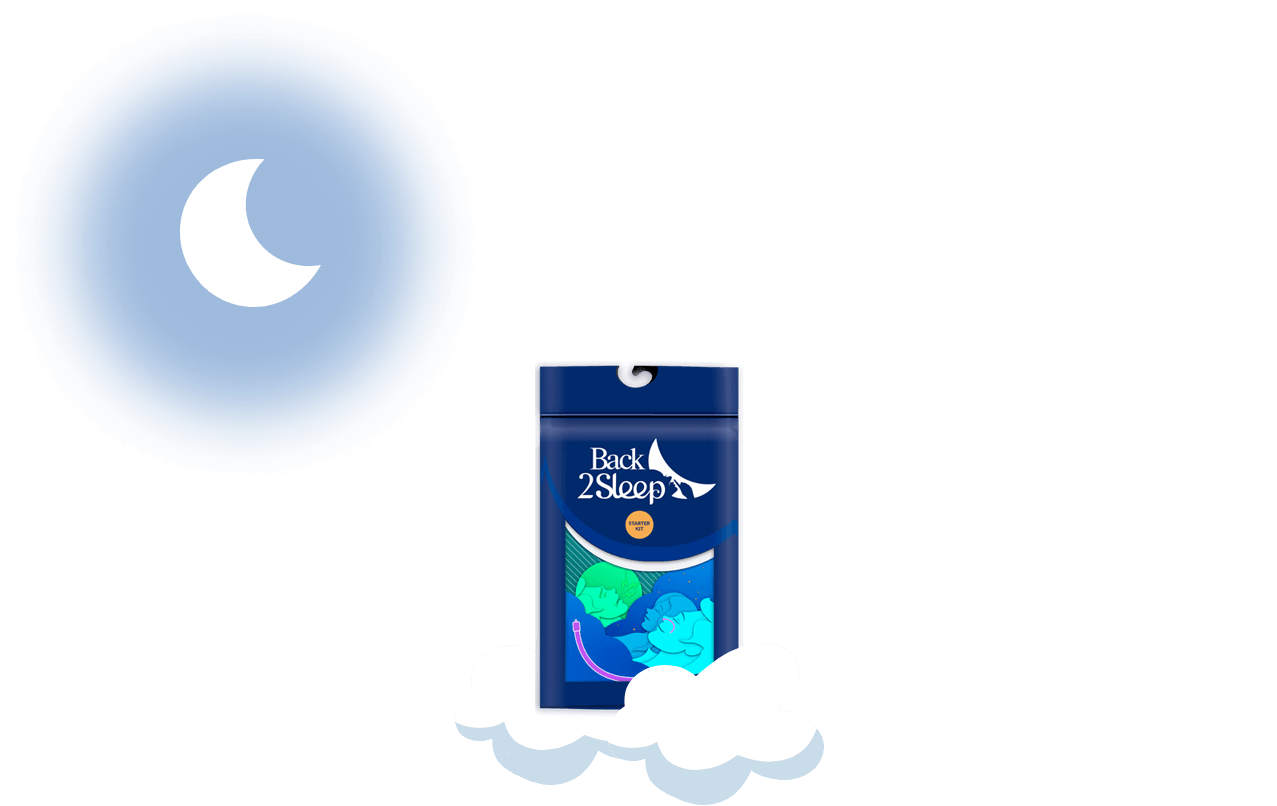
Choosing between a nasal stent and a mandibular advancement device depends on where your snoring starts. Back2Sleep is an intranasal stent that opens the nasal airway. SnoreRx is a mouth guard that pushes the lower jaw forward to widen the throat. These two devices treat snoring from completely different angles, and the right choice depends on your anatomy.
This comparison breaks down the science, comfort, cost, and effectiveness of each device. Whether your snoring originates in the nose, the throat, or both, you will know which solution fits your situation by the end of this guide.

Back2Sleep vs SnoreRx Comparison Table
| Feature | Back2Sleep (Nasal Stent) | SnoreRx (Mandibular Device) |
|---|---|---|
| Mechanism | Opens nasal valve to improve airflow | Advances lower jaw to widen throat |
| Best For | Nasal snoring, nasal congestion, deviated septum | Throat-based snoring, tongue collapse |
| Wearability | Inside the nose; mouth-free | Inside the mouth; covers teeth |
| Material | Medical-grade silicone | Medical-grade copolymer plastic |
| Custom Fit | 4 sizes (XS to L) | Boil-and-bite moldable |
| Breathing Through Mouth | Yes, mouth stays free | Limited; may cause dry mouth |
| Jaw Soreness | None | Common in first 1-2 weeks |
| CE Certified | Yes, Class I medical device | FDA cleared (US); varies by region |
| Price | ~30 EUR (starter kit with 4 sizes) | ~100 USD (single device) |
| Lifespan | Several months per stent | 11-15 months per device |
Understanding Nasal Snoring vs Throat Snoring
Before choosing a device, identify where your snoring starts. This determines which device will actually work for you.
Nasal Snoring Signs
You snore with your mouth closed. Your snoring gets worse with allergies or congestion. Breathing through your nose feels restricted. You may have a deviated septum or nasal polyps. A nasal stent like Back2Sleep targets this type directly.
Throat Snoring Signs
You snore with your mouth open. The sound comes from the back of the throat. Snoring is louder when sleeping on your back. You may wake up with a dry mouth. A mandibular device like SnoreRx addresses this pattern.
Combined Snoring
Many people have both nasal and throat components. If nasal congestion forces mouth breathing, the throat relaxes and produces additional snoring. In this case, a nasal stent often resolves both by restoring nasal airflow.
A study published in Rhinology (2018) found that 65 percent of snorers had a significant nasal component to their snoring. Opening the nasal valve reduced snoring volume by an average of 42 percent in these patients, even when throat collapse was also present.
Comfort and Daily Experience Compared
Back2Sleep: Nose-Only, Mouth-Free
The Back2Sleep stent sits inside the nostril and holds the nasal valve open. Your mouth stays completely free. You can breathe through your mouth if needed, drink water during the night, and talk normally before falling asleep. Most users forget the device is there after 2 to 3 nights of adaptation.
SnoreRx: Mouth Guard with Jaw Advancement
SnoreRx fits over both upper and lower teeth and pushes the lower jaw forward by 1 to 6 millimeters. This widens the throat space behind the tongue. The boil-and-bite fitting creates a custom mold, but the device still covers all teeth. Jaw soreness, excess saliva, and dry mouth are common side effects during the first two weeks.
Clinical Effectiveness: What the Research Shows
Both devices have published clinical evidence, but they work through different mechanisms and target different patient populations.
Mandibular advancement devices show slightly higher AHI reduction in clinical trials (40-50 percent vs 35 percent for nasal stents). However, these numbers do not tell the full story. MAD studies typically select patients with throat-dominant apnea. When the obstruction is nasal, a nasal stent outperforms a jaw device because it treats the actual source of resistance.
The key insight: device effectiveness depends on matching the device to your snoring type. The best device is the one that targets where your airway narrows. Learn more about the science behind nasal stent airflow improvement.
- Back2Sleep works best for nasal snoring, congestion, and deviated septum. It leaves your mouth free.
- SnoreRx works best for throat-based snoring caused by tongue or palate collapse.
- 65 percent of snorers have a nasal component, making nasal stents effective for the majority.
- For snoring related to sleep apnea symptoms, consult a specialist for proper diagnosis first.

What Back2Sleep Users Say
Frequently Asked Questions
Is a nasal stent or mandibular device better for snoring?
It depends on where your snoring originates. A nasal stent like Back2Sleep works best for nasal snoring caused by congestion or a narrow nasal valve. A mandibular device like SnoreRx works best for throat snoring caused by tongue or palate collapse. Sixty-five percent of snorers have a nasal component.
Can I use Back2Sleep and SnoreRx together?
In theory, you could use both simultaneously since they target different parts of the airway. However, most users find that addressing the primary snoring source with one device is sufficient. Consult your doctor before combining devices.
Does SnoreRx cause jaw pain?
Jaw soreness is common during the first one to two weeks with any mandibular advancement device, including SnoreRx. The soreness usually subsides as the jaw muscles adapt. If pain persists beyond two weeks, reduce the advancement setting or consult your dentist.
Which device is better for mouth breathers?
Back2Sleep is better for mouth breathers because it sits in the nose and leaves the mouth completely free. By improving nasal airflow, it can also reduce the need for mouth breathing. SnoreRx covers the teeth and may restrict comfortable mouth breathing.
How much does Back2Sleep cost compared to SnoreRx?
The Back2Sleep starter kit costs approximately 30 EUR and includes 4 sizes. SnoreRx costs about 100 USD for a single device. Over 12 months, Back2Sleep is significantly more affordable because each stent lasts several months.
Ready for quieter nights? Discover the Back2Sleep starter kit and find the right fit for you.
Not sure if you are at risk? Take our sleep risk screening to find out in just a few minutes.
Want to learn how it works? Explore the Back2Sleep nasal stent designed for comfortable, effective relief.