
In-Office Laser Therapy vs Radiofrequency Ablation for Snoring and Which One the Evidence Supports

Comparing laser therapy vs radiofrequency ablation snoring treatments before you pay a private clinic fee
Two clinic procedures, one small piece of soft palate, and a session count that quietly decides what you really pay.
Laser Therapy vs Radiofrequency Ablation Snoring Treatment in One Answer
Neither procedure is a proven winner, and both work on the same thin sheet of tissue. Laser therapy vs radiofrequency ablation snoring treatment comes down to three questions: how many paid sessions you need, what each method is actually proven to change, and whether your snoring even starts at the soft palate. Both aim to stiffen the velum and reduce palatal flutter, the vibration a bed partner hears as snoring.
Snoring affects roughly 44% of men and 28% of women aged 30 to 60 (MedicineNet, accessed 2026), so private clinics have a large self-paying audience. If you already hold a quote, our guide to how a radiofrequency palate session is performed covers that procedure in more detail. This article puts the two options side by side on evidence, sessions and out-of-pocket cost.
- Both procedures treat the soft palate only, so the level of your obstruction decides whether either can work.
- The honest comparison is three radiofrequency sessions against two to three laser sessions, plus maintenance.
- Reasonable evidence exists for quieter snoring. Evidence for lower apnoea scores is weak and inconsistent.

The Word Laser Covers Two Opposite Procedures
Laser snoring treatment is not one thing, and this is where most readers are misled. Laser-assisted uvulopalatoplasty (LAUP) uses a cutting CO2 beam under local anaesthetic. Non-ablative Er:YAG laser at 2940 nm, delivered in SMOOTH mode, heats the lining without breaking it, aiming at collagen remodelling rather than tissue removal.
In LAUP the uvula is shortened by 60 to 90% at power settings of 18 to 20 W, with 20 to 30 minutes of observation afterwards (MedicineNet, accessed 2026). Recovery from the ablative version takes considerably longer than from the heating protocols, and scar tissue is part of how CO2 laser palatoplasty works. That is surgery performed in a clinic chair.
The non-ablative route is different in kind. In a sham-controlled randomised trial of 40 primary snorers (20 active, 20 sham, AHI under 15 per hour, BMI 30 or below), pain during treatment averaged 3.0 on a 10-point scale, no anaesthesia was needed, and no complications occurred (Picavet et al., European Archives of Oto-Rhino-Laryngology, 2023).
So one health encyclopaedia can describe laser as a poor option while a private clinic quotes an 80% figure, and both may be reporting real data about different machines. Ask which wavelength and mode your quote covers before comparing prices.
- Ablative CO2 laser cuts tissue. Non-ablative Er:YAG heats it. They share a category name and little else.
- Older negative reviews of "laser" almost always describe the ablative version.
- Get the wavelength, the mode and the session count written on the quote.

What Radiofrequency Ablation of the Soft Palate Does in the Chair
Radiofrequency ablation of the soft palate remodels tissue from the inside rather than trimming it away. A fine needle electrode is placed at three to five points beneath the surface of the velum, and low-power energy creates a submucosal thermal lesion that shrinks and tightens as it heals. Nothing is cut out.
The bipolar form, bipolar radiofrequency volumetric tissue reduction (BRVTR), is the version tested head to head against laser in the trial below. Soreness and swelling follow each visit, which is exactly why sessions are spaced out: the palate has to heal before more energy is added. A laser handpiece, by contrast, sweeps across the palate surface with no needle insertion at all.
A systematic review of 30 studies (2 randomised trials, 4 controlled trials, 24 uncontrolled studies, 10 to 120 patients each) found one randomised trial in which radiofrequency significantly reduced bed-partner-reported snoring on a visual analogue scale versus placebo (p=0.045). All 18 uncontrolled prospective studies reporting snoring showed a reduction, with "only minor discomfort" and no major adverse events or long-term side effects (Centre for Reviews and Dissemination, University of York, 2009). The reviewers still called for further double-blind trials.
Clinicians are candid about the ceiling. Radiofrequency is offered mainly for simple snoring and upper airway resistance syndrome (UARS), not for moderate or severe apnoea, and many patients still snore to some extent after a successful course.
- Radiofrequency works below the surface at three to five points, so no palate tissue is removed.
- Expect soreness after each visit and a schedule spaced out over weeks.
Sessions to Result Is the Number That Sets Your Total Cost
One randomised comparison answers the money question directly. 150 patients with an apnoea-hypopnoea index (AHI) of 5 to 30 per hour and documented retropalatal obstruction were randomised to bipolar radiofrequency or LAUP, 75 per arm, then split into five subgroups of 15 receiving one, two, three, four or five sessions (Journal of Laryngology and Otology, 2006).
Radiofrequency required at least three sessions for a favourable short-term and long-term outcome. Ablative laser reached a favourable short-term outcome after a single session but needed two sessions for the same long-term result. Your arithmetic is therefore three radiofrequency fees against two to three laser fees, before maintenance is priced in.
| Feature | Non-ablative Er:YAG (2940 nm) | Ablative CO2 LAUP | Radiofrequency (BRVTR) |
|---|---|---|---|
| Tissue effect | Heats collagen, lining left intact | Cuts and shortens the uvula by 60-90% (MedicineNet, accessed 2026) | Thermal lesions at 3-5 points below the surface |
| Anaesthetic | None required (Picavet, 2023) | Local anaesthetic | Outpatient procedure; ask the clinic |
| Sessions in the published evidence | 2-3 (Neruntarat, 2020) | 2 for a lasting result (JLO, 2006) | At least 3 (JLO, 2006) |
| Reported discomfort | Pain 3.0/10 during treatment (Picavet, 2023) | Sore throat, the longest recovery of the three | Minor discomfort across 30 studies (CRD, 2009) |
| Proven snoring benefit | Yes, versus sham at 3 months | Short-term in the 2006 trial, contested by later reviews | Yes, versus placebo in one randomised trial |
| Proven AHI benefit | Reviews disagree | Not established | Not established |
| Signature drawback | Under-treatment and repeat visits | Velopharyngeal insufficiency, nasal voice | Incomplete result; many still snore somewhat |
| Durability | 12-24 months typical (JCM, 2025) | Improvement not longstanding beyond 2 years (UK EBI, accessed 2026) | No long-term durability data in the reviewed evidence |
Maintenance is the line clinics rarely price. A 2025 systematic review of 56 studies published between 2015 and 2025 found benefit typically persisted 12 to 24 months and that 25 to 40% of patients needed maintenance sessions (Dembicka-Maczka et al., Journal of Clinical Medicine, 2025). Across five years that is a recurring out-of-pocket cost, not a one-off purchase.
- Ask for the per-session fee, then multiply by three for radiofrequency and by two or three for laser.
- Add at least one top-up treatment per two years to any five-year comparison.
- A single-session course does not match the published protocols.
What Laser Therapy vs Radiofrequency Ablation Snoring Data Actually Proves
Both procedures have reasonable evidence for quieter snoring and weak evidence for treated apnoea. In the sham-controlled trial, the bed partner snoring score on a visual analogue scale fell from 7.9 to 4.7 at three months in the laser arm, while the sham arm barely moved, from 8.1 to 8.0 (Picavet et al., 2023). That is genuine proof of effect, but the follow-up ran to three months only.
The durability figures advertised by clinics come from elsewhere, and from weaker designs. A meta-analysis of 7 studies and 247 patients treated with Er:YAG over two to three sessions found a pooled snoring VAS reduction of 6.89 points and an 80% patient satisfaction rate, yet changes in AHI and respiratory disturbance index (RDI) were not significantly different (Neruntarat et al., Lasers in Medical Science, 2020). Satisfaction records how patients felt, not what their airway did.
The 2025 review did report a pooled AHI fall of 7.2 events per hour alongside a 3.82-point snoring reduction. It also reported substantial heterogeneity (I2 of 78% for snoring scores and 62% for AHI), moderate-to-high risk of bias in 60% of studies, and long-term evidence rated low to very low quality (Journal of Clinical Medicine, 2025). Read those two findings together, not separately.
A University of York evidence synthesis is blunter still, reporting "no evidence of any effect from laser-assisted uvulopalatoplasty or radiofrequency ablation on daytime sleepiness, apnoea, quality of life or snoring", with only four high-quality randomised trials available, each enrolling 26 to 60 participants (Centre for Reviews and Dissemination, record NBK77201; year not stated).
- The strongest laser evidence is a European sham-controlled trial with three-month follow-up.
- Reviews disagree on apnoea outcomes, and the studies behind them are heterogeneous.
- Neither procedure should be treated as a sleep apnoea treatment.
The Safety Numbers That Belong in Your Consent Conversation
UK national guidance attaches figures to palate snoring surgery that clinic pages rarely show. The Evidence-Based Interventions programme cites a 0 to 16% risk of severe complications, including bleeding, airway compromise and death, and 58 to 59% of patients with persistent side effects such as swallowing problems, voice change, globus, taste disturbance and nasal regurgitation (Academy of Medical Royal Colleges and NHS England, accessed 2026).
The serious risk is small but real. In one high-quality study of 3,130 patients, perioperative or postoperative death occurred in 0.2% and serious complications in 1.5%. Swallowing problems occurred at weighted means of 27% after uvulopalatoplasty and 31% after uvulopalatopharyngoplasty (Centre for Reviews and Dissemination, University of York; year not stated).
Velopharyngeal insufficiency, where liquid escapes upward into the nose because the palate no longer seals, is the signature risk of cutting the palate. It is described in the literature on ablative palate surgery rather than on non-ablative heating, and it is one reason cutting operations such as uvulopalatopharyngoplasty (UPPP) are reserved for clear structural indications.
- Ask the clinic for its own complication and persistent-side-effect rates in writing.
- Any procedure that permanently removes palate tissue cannot be undone if it fails.
Check Whether Your Obstruction Is Even Palatal Before You Pay
Both machines treat one level of the airway. If your airway narrows in the nose or behind the tongue, neither will fix the noise. Retrolingual collapse and blocked nasal breathing are common reasons a technically perfect palate procedure delivers nothing, and this is the most expensive mistake in the category.
Drug-induced sleep endoscopy (DISE) is the triage step European ENT surgeons use to watch the airway collapse under light sedation and record the level. Nasal obstruction is assessed separately, and may point toward septoplasty and turbinate reduction rather than any palate work. Ask which level was documented, by whom, and on what date.
1Get the collapse level documented
Request the DISE report or an equivalent ENT assessment before signing anything. Retropalatal obstruction is the only pattern either procedure targets. Simple snoring, upper airway resistance syndrome and moderate apnoea behave differently, so the diagnosis changes the recommendation.
2Try a reversible option first
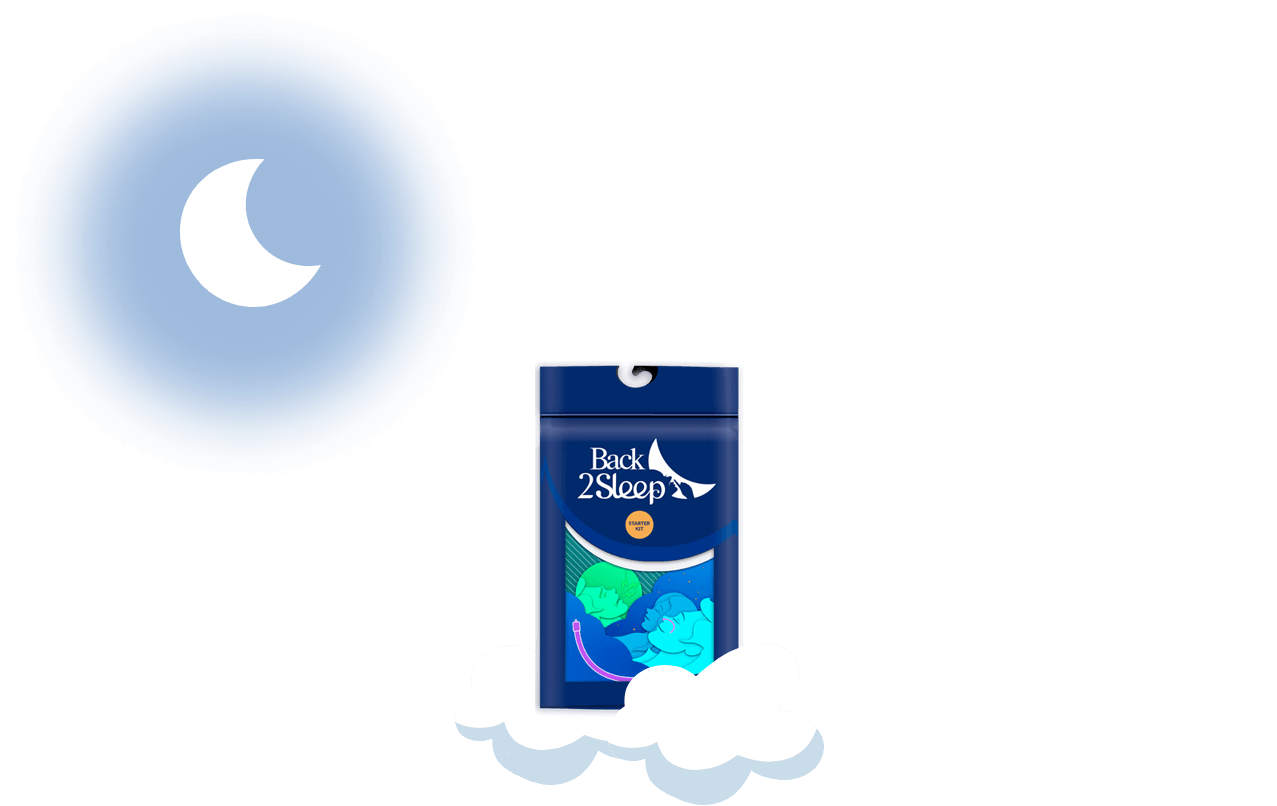
Reversible approaches cost less and teach you something. A mandibular advancement device moves the lower jaw forward, while a nasal dilator or stent holds the nasal airway open during sleep. Back2Sleep is a CE-certified Class I soft silicone intranasal stent, sold without a prescription, with four sizes in the starter kit; it is intended for snoring and mild to moderate obstructive sleep apnoea and does not replace CPAP for severe disease. If it quietens your snoring, your obstruction was probably not confined to the palate, which makes a palate-only quote the wrong first purchase. Our ranked review of non-CPAP options shows where each approach fits.
3Measure your apnoea burden
Get a sleep study before you book. Primary snoring, mild to moderate obstructive sleep apnoea and severe disease lead to different decisions, and severe apnoea remains a CPAP indication. Ask what your apnoea-hypopnoea index was, and which test produced it, before you accept any palate procedure.
- Palate procedures cannot help nasal or tongue-base obstruction, however well performed.
- A reversible trial is a cheap experiment before an irreversible one.
- Between courses, a reusable device covers the 12 to 24 month decay window without another clinic fee.
What European Health Systems Actually Fund
Payer rules across Europe are stricter than the insurance framing on most English-language pages. In the UK, palatal snoring surgery for simple snoring appears on the NHS Evidence-Based Interventions list as a procedure that should no longer be routinely commissioned. NHS public guidance is equally direct: surgery "is not widely available on the NHS, it does not always work and snoring can come back afterwards" (NHS, accessed 2026).
| Country | Position on snoring-only palate procedures | What it means for you |
|---|---|---|
| United Kingdom | Not routinely commissioned for simple snoring, with individual funding requests as the exception route | Effectively a private, self-pay market |
| Germany | Statutory Krankenkassen generally reimburse only once sleep apnoea is diagnosed | Schnarchen without apnoea is self-pay; clinics list Gaumensegelstraffung and Radiofrequenztherapie |
| France | Ronflement-only indications fall outside Assurance Maladie reimbursement | An ORL issues a private devis; searches use ronflement traitement laser voile du palais and radiofrequence palais mou |
| EU-wide | Laser and radiofrequency units are CE-marked medical devices under EU MDR 2017/745 | The CE mark certifies conformity for a stated purpose, not clinical efficacy for snoring |
The UK also maintains dedicated NICE interventional procedures guidance for radiofrequency ablation of the soft palate for snoring, a level of national appraisal with no direct equivalent elsewhere. Read it alongside the payer position rather than instead of it.
- Snoring without diagnosed apnoea is self-pay in most of Europe.
- In Germany the sleep study, not the machine, is the financially decisive step.
How to Choose Between Laser and Radiofrequency for Snoring
Choose on evidence quality and reversibility, not on marketing. Non-ablative Er:YAG has the only sham-controlled trial and needs no anaesthetic, though its proof runs to three months. Radiofrequency has broader real-world use and a reassuring short-term safety record, but needs at least three sessions. Ablative laser is the most invasive of the three.
Four questions settle most cases. Which level is obstructing, confirmed by endoscopy. What your AHI is, confirmed by a sleep study. How many sessions the quoted price includes. What happens, and what it costs, when the snoring returns at 12 to 24 months.
- If your obstruction is not retropalatal, neither procedure is the right purchase.
- If you have untreated apnoea, treat the apnoea first and judge the snoring afterwards.
- Try reversible, low-cost options before paying for an irreversible course.

What Back2Sleep Users Say
Frequently Asked Questions
Is laser or radiofrequency better for snoring?
Neither is clearly better. A 150-patient randomised comparison found radiofrequency needed at least three sessions for a lasting result, while laser-assisted uvulopalatoplasty needed two (Journal of Laryngology and Otology, 2006). Non-ablative laser has the only sham-controlled trial. Choose on obstruction level, tolerance for cutting, and the total number of sessions quoted.
How many sessions of laser snoring treatment do you actually need?
Published non-ablative protocols use two to three sessions. A meta-analysis of seven studies and 247 patients treated over two to three sessions reported 80% patient satisfaction (Neruntarat et al., Lasers in Medical Science, 2020). Ablative laser needed two sessions for a lasting result in the 2006 randomised comparison. Ask the clinic to quote the full course.
How long does laser snoring treatment last before you need it again?
A 2025 systematic review of 56 studies found benefit typically persisted 12 to 24 months, and 25 to 40% of patients required maintenance sessions (Journal of Clinical Medicine, 2025). UK national guidance separately notes improvement is not longstanding beyond two years. Budget for repeat treatment rather than a single permanent cure.
Does radiofrequency ablation of the soft palate really stop snoring?
It reduces snoring for many patients rather than stopping it. One randomised trial showed radiofrequency significantly cut bed-partner snoring scores versus placebo, and all 18 uncontrolled studies reporting snoring found reductions (Centre for Reviews and Dissemination, University of York, 2009). Clinicians note many patients still snore to some degree afterwards.
Does laser or radiofrequency treatment work for sleep apnoea, or just snoring?
Mainly snoring. A 2020 meta-analysis found a large pooled snoring score reduction but no significant change in the apnoea-hypopnoea index or respiratory disturbance index (Lasers in Medical Science, 2020). A quieter palate can hide an untreated apnoea burden, so measure your AHI before and after any palate procedure.
Is snoring surgery available on the NHS?
Rarely. NHS guidance states surgery is not widely available on the NHS, does not always work and snoring can come back afterwards (NHS, accessed 2026). Palatal snoring surgery for simple snoring sits on the Evidence-Based Interventions list as no longer routinely commissioned, leaving individual funding requests as the exception route.
Does health insurance in Europe cover laser treatment for snoring?
Generally not for snoring alone. German statutory Krankenkassen usually reimburse only once sleep apnoea is formally diagnosed, and French ronflement-only indications fall outside Assurance Maladie, so an ORL issues a private quote. Confirm your diagnosis first, because a diagnosis is what changes the funding position across most of Europe.
What are the side effects of radiofrequency palate treatment?
Reviews of radiofrequency palate treatment report mainly minor discomfort, with no major adverse events or long-term side effects across 30 studies (Centre for Reviews and Dissemination, University of York, 2009). UK Evidence-Based Interventions guidance, covering palate snoring surgery as a group, reports 58 to 59% of patients with persistent side effects such as swallowing problems or voice change.
Do I need a home sleep apnoea test before booking a snoring procedure?
Yes, get measured first. Polysomnography or a validated home sleep apnoea test gives you a baseline apnoea-hypopnoea index and oxygen desaturation index. Reviews disagree on whether palate procedures move the AHI at all, so without that baseline you cannot tell whether a quieter night is a safer airway.
Is it worth paying for a palate procedure if my snoring comes from my nose?
No. Laser and radiofrequency remodel only the soft palate, so nasal or retrolingual obstruction is left untouched. Drug-induced sleep endoscopy documents the collapse level before you pay. A reversible nasal option such as the Back2Sleep stent can also indicate whether opening the nasal airway alone quietens your snoring.
Ready for quieter nights? Discover the Back2Sleep starter kit and find the right fit for you.
Not sure if you are at risk? Take our sleep risk screening to find out in just a few minutes.
Want to learn how it works? Explore the Back2Sleep nasal stent designed for comfortable, effective relief.