
Turbinate Reduction vs Nasal Stent: Surgery or a Reusable Device for Blocked Nasal Breathing?

Turbinate Reduction vs Nasal Stent: Choosing Between Surgery and a Reusable Device
Before you book ENT surgery, understand the real choice — an irreversible operation versus a reversible, reusable device you can try tonight.
Turbinate Reduction vs Nasal Stent: The Real Decision
The choice of turbinate reduction vs nasal stent comes down to one thing: irreversible surgery versus a reversible, reusable device. Turbinate reduction is an operation that shrinks swollen nasal tissue to open the airway. A nasal stent is a soft device you insert each night to hold the nasal passage open without cutting anything. Both target blocked nasal breathing, but they sit at opposite ends of the risk ladder. If structure is your concern, our guide on deviated septum and snoring explains when bone and cartilage, not just soft tissue, drive the blockage.
Blocked nasal breathing is rarely random. Swollen inferior turbinates (turbinate hypertrophy), a deviated septum, and nasal valve collapse are among the most common structural causes that ENT specialists assess (Mayo Clinic, 2024). If your nose feels permanently congested, the cause is usually anatomical. That is exactly why people weigh a device against an operation. For a broader menu of fixes, see our overview of difficulty breathing through the nose.
This guide is built for European readers. Most online comparisons pit one surgery against another and never mention a reversible device. We frame the smarter question first: can you try a non-surgical option before committing to something permanent?
- The core trade-off is permanent surgery versus a reversible, reusable nightly device.
- Most blocked-breathing cases are anatomical, but anatomical does not always mean surgical.
- A reversible device lets you test relief before considering an operation.

How Common Is Blocked Nasal Breathing and Sleep Apnea?
Blocked nasal breathing and disordered sleep affect a huge share of European adults. In the French CONSTANCES cohort of around 20,000 adults, the weighted prevalence of obstructive sleep apnea (OSA) or high risk of OSA was 20.9% — about 1 in 5 people (ERJ Open Research, European Respiratory Society, CONSTANCES, 2023). Only a small fraction were already treated, leaving most untreated despite a positive screening questionnaire.
OSA means the upper airway repeatedly collapses during sleep, briefly cutting off breathing. It is one of the most common chronic breathing disorders on earth. An estimated 936 million adults aged 30–69 have mild-to-severe OSA worldwide, and 425 million have moderate-to-severe disease (The Lancet Respiratory Medicine, Benjafield et al., 2019).
The scale matters for your decision. Most blocked-breathing cases are anatomical, but that does not mean every case needs surgery. Many people with snoring or mild-to-moderate symptoms can start with conservative steps. Surgery is best reserved for confirmed, fixed structural problems that fail simpler care.
- About 1 in 5 French adults has OSA or high risk of it (2023).
- Scale is enormous, but high prevalence does not mean surgery is the first answer.
- Start conservative; reserve operations for fixed structural blockage that resists simpler care.
What Is Turbinate Reduction Surgery?
Turbinate reduction is a surgical procedure that shrinks the inferior turbinates — curled, blood-rich structures on the side walls of your nose that warm and humidify air. When they swell (turbinate hypertrophy), they block airflow. Surgeons reduce them in-office or under general anaesthesia, depending on the technique.
Common surgical techniques
Radiofrequency turbinate reduction (RFTR) uses controlled heat to shrink tissue from within, often in a clinic visit. Turbinoplasty or partial resection physically removes or remodels tissue, usually in an operating theatre. Recovery varies: many return to work within about a day after in-office procedures, while fuller methods may need a week off, with complete healing over several weeks (Cleveland Clinic, 2024).
Does it work — and last?
A systematic review and meta-analysis of turbinate surgery found it improved nasal obstruction in patients with allergic rhinitis, with benefits maintained at longer follow-up and a low complication rate — though the authors flagged a shortage of comparable long-term studies (systematic review and meta-analysis, PubMed Central, 2022). Turbinates can also regrow over time, so results are not always permanent.
One caution drives much of the hesitation around surgery: empty nose syndrome. This paradoxical condition causes a feeling of obstruction, dryness, and crusting despite a wide-open airway, and studies link it to overly aggressive tissue removal (National Organization for Rare Disorders, 2024). The reported frequency varies widely between studies, so its true rate is uncertain — but the risk is real enough that tissue-sparing techniques are now preferred. If you are exploring heat-based options, our explainer on radiofrequency ablation for snoring covers what that procedure involves.
- Turbinate reduction shrinks swollen nasal tissue via heat (RFTR) or removal (turbinoplasty).
- It improves obstruction but carries a real, if variable, risk of empty nose syndrome when aggressive (2024).
- Surgery alone rarely cures snoring or sleep apnea — diagnosis first, always.
What Is a Reusable Nasal Stent?
A nasal stent is a soft, flexible device inserted into the nostril at night to mechanically hold the nasal and upper airway open. Unlike surgery, it changes nothing about your anatomy. You insert it before sleep and remove it in the morning, making it fully reversible.
The clinical signal is encouraging for the right candidates. In a study of nasal airway stent therapy, the respiratory event index fell significantly — from about 22 to 16 — with snoring intensity and severity reduced in mild-to-moderate OSA (Respiration, Karger, 2021). Around a quarter of users achieved a complete response. Importantly, roughly 30% could not tolerate the device, so it is not for everyone.
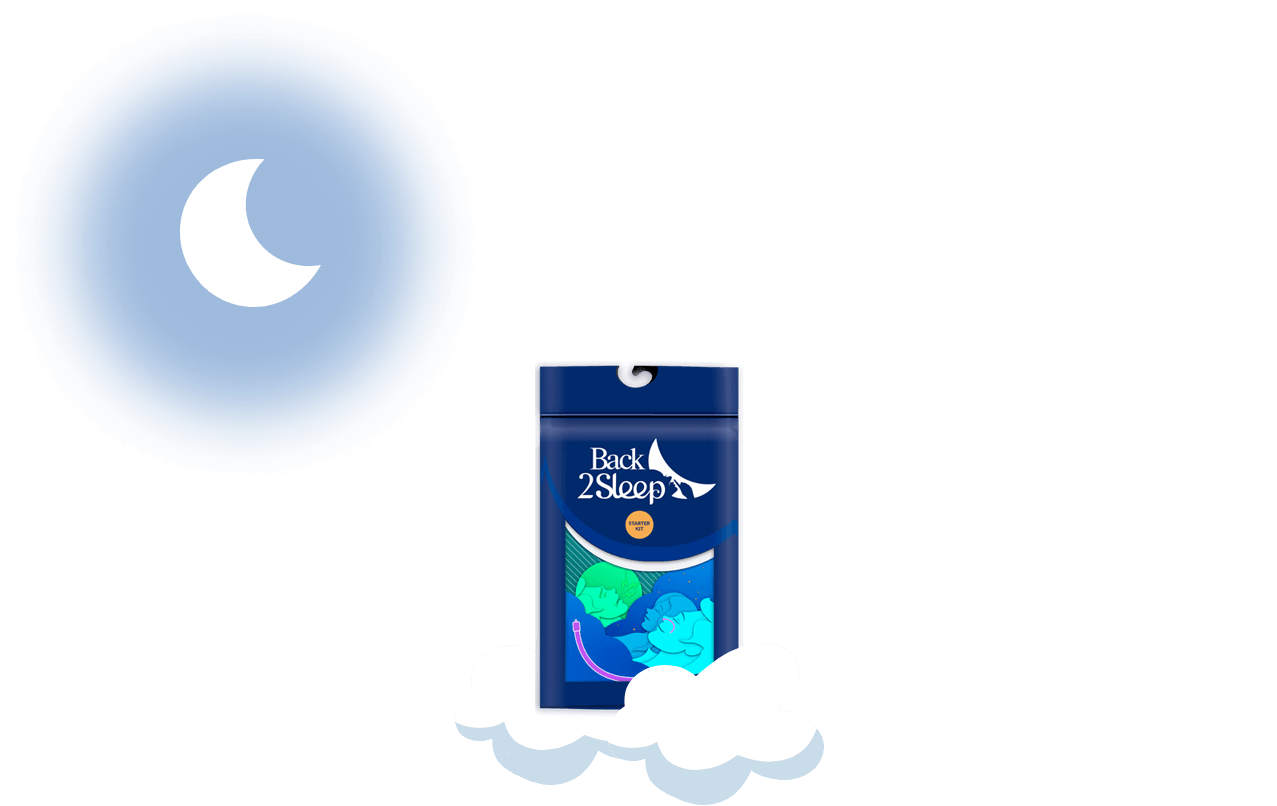
Back2Sleep is a CE-certified Class I intranasal stent in this category. It is a soft silicone device that keeps the nasal airway open during sleep, needs no prescription, and uses no electricity, noise, or tubing. Its starter kit includes four sizes so you can find a comfortable fit. It fits as a conservative, reversible option for snoring and mild-to-moderate OSA — the same population studied in the 2021 nasal-stent research above.
- A nasal stent mechanically holds the airway open and is fully reversible.
- Nasal-stent therapy cut the respiratory event index from ~22 to ~16 in mild-to-moderate OSA (2021).
- Tolerance varies — about 30% could not adapt — so a try-before-you-commit approach makes sense.
Turbinate Reduction vs Nasal Stent: Side-by-Side Comparison
Comparing turbinate reduction vs nasal stent is easiest as a direct table. Surgery is a one-time, permanent intervention with recovery and risk. A nasal stent is an ongoing, reversible aid with no anaesthesia and no healing window. The right pick depends on your diagnosis, severity, and appetite for permanence.
| Factor | Turbinate Reduction (surgery) | Nasal Stent (reusable device) |
|---|---|---|
| Reversible? | No — permanent tissue change | Yes — removed each morning |
| Anaesthesia | Local or general | None |
| Recovery | 1 day to 1 week off; full healing over several weeks | None — used nightly |
| Prescription | Required (ENT specialist) | Not required |
| Key risk | Empty nose syndrome if aggressive | ~30% cannot tolerate it |
| Best for | Confirmed fixed structural blockage | Snoring + mild-to-moderate OSA, nasal-driven |
| Durability | Long-term, but turbinates may regrow | Works only while worn |
| Cost framing (EU) | Higher; may involve waiting lists | Out-of-pocket; Back2Sleep starter kit ~EUR 44.90 |
Costs differ sharply. Surgery in Europe typically means specialist fees and possible waiting lists, even where public systems contribute. A reusable stent like Back2Sleep is a low out-of-pocket purchase with a starter kit around EUR 44.90 and EU shipping. Note that Back2Sleep is not reimbursed by any payer; it is positioned as an affordable self-managed alternative.
- Surgery is permanent, needs recovery, and suits confirmed structural blockage.
- A nasal stent is reversible, needs no recovery, and suits nasal-driven snoring plus mild-to-moderate OSA.
- EU costs favour starting with a low out-of-pocket device before booking an operation.
Which Should You Choose? A Step-by-Step Decision Ladder
The smartest path is a ladder: start reversible, escalate only if needed. Most people with blocked nasal breathing and snoring do not need surgery as a first move. Surgery makes sense once conservative care fails and imaging confirms a fixed structural cause.
1Get assessed first
Book a sleep study or ENT evaluation. This confirms whether you have snoring, mild, moderate, or severe OSA, and whether the blockage is soft tissue, bone, or cartilage. Never self-treat severe OSA.
2Try conservative, reversible options
For nasal-driven snoring or mild-to-moderate OSA, a reusable nasal stent like Back2Sleep is a sensible first step. It is reversible, needs no prescription, and lets you test relief without surgery's permanence or its risk of empty nose syndrome.
3Optimise medical management
Treat allergies, rhinitis, and nasal inflammation with your clinician's guidance. Pre-surgical medical management often improves airflow enough that an operation becomes unnecessary.
4Reserve surgery for fixed structure
If conservative care fails and an ENT confirms marked turbinate hypertrophy or septal deviation, turbinate reduction or septal surgery becomes a reasonable next step. Discuss conservative tissue-sparing techniques to lower empty nose syndrome risk.
This ladder reframes the whole debate. Instead of surgery-versus-surgery, you get a reversible "try before you cut" option while you pursue proper assessment. If a device gives you the relief you need, you may avoid an irreversible procedure altogether.
- Step 1 is always assessment — confirm severity and the cause before acting.
- Try a reversible device and optimise allergies before considering surgery.
- Reserve turbinate reduction for confirmed fixed structure that fails conservative care.

What Back2Sleep Users Say
Frequently Asked Questions
Can a nasal stent replace turbinate reduction surgery?
A nasal stent can replace surgery for some people, but not all. For nasal-driven snoring and mild-to-moderate OSA, a reversible stent may give enough relief to avoid an operation. However, fixed structural blockage like marked septal deviation or severe turbinate hypertrophy may still need ENT surgery. Always get assessed first.
Does turbinate reduction surgery cure snoring or sleep apnea?
Turbinate reduction rarely cures snoring or sleep apnea on its own. It improves nasal airflow, but airway collapse during sleep usually involves the throat as well as the nose. Surgery may reduce symptoms or help other therapies work better, but a sleep study should confirm your diagnosis and guide treatment first.
How long does turbinate reduction last before the turbinates grow back?
Results vary by technique. Studies show benefits maintained at longer follow-up after turbinate surgery (systematic review, PubMed Central, 2022), but turbinate tissue can regrow over months or years, especially with heat-based methods. Some patients need repeat treatment. Discuss expected durability and the chance of regrowth with your ENT specialist beforehand.
What is empty nose syndrome and how common is it after surgery?
Empty nose syndrome is a paradoxical condition where the nose feels blocked, dry, and crusted despite a wide-open airway, usually after too much turbinate tissue is removed (National Organization for Rare Disorders, 2024). Its reported frequency varies widely between studies, so the true rate is uncertain. Tissue-sparing surgical techniques are used to lower this risk.
Are reusable nasal stents safe to use every night?
Reusable nasal stents are designed for nightly use and are generally well tolerated, but tolerance varies. In a 2021 study (Respiration, Karger), about 30% of users could not adapt to the device. Follow the manufacturer's cleaning and sizing instructions, and stop if you have pain, bleeding, or irritation. Consult a clinician if unsure.
How much does turbinate reduction cost in Europe versus a nasal device?
Costs vary by country and clinic, and surgery in Europe often involves specialist fees and possible waiting lists even within public systems. A reusable device is far cheaper out-of-pocket — the Back2Sleep starter kit costs around EUR 44.90 with EU shipping. Back2Sleep is not reimbursed by any payer.
Who should not use a nasal stent for blocked nasal breathing?
Avoid relying on a nasal stent if you have severe OSA, central sleep apnea, or a fixed structural blockage like marked septal deviation that needs surgery. It is not a CPAP replacement for moderate-to-severe disease. Always complete a sleep study or ENT evaluation before self-treating blocked nasal breathing.
Ready for quieter nights? Discover the Back2Sleep starter kit and find the right fit for you.
Not sure if you are at risk? Take our sleep risk screening to find out in just a few minutes.
Want to learn how it works? Explore the Back2Sleep nasal stent designed for comfortable, effective relief.