
Sleep Apnea and Memory Loss: How Poor Sleep Shrinks Your Brain

Sleep Apnea and Memory Loss: How Your Brain Shrinks While You Sleep
Every apnea event starves your brain of oxygen. Over months and years, the hippocampus shrinks, cognitive decline accelerates, and dementia risk doubles. But the damage is reversible — if you act in time.
Sleep apnea and memory loss share a direct biological link that most people never discover until real damage has already occurred. Obstructive sleep apnea (OSA) triggers repeated oxygen drops during sleep, a pattern called intermittent hypoxia, that physically shrinks the hippocampus and prefrontal cortex. These are the exact brain structures responsible for forming memories, making decisions, and filtering out distractions. A 2025 UC Irvine study published in Neurology confirmed that even mild oxygen desaturation during REM sleep causes measurable thinning of the entorhinal cortex — the same brain region damaged earliest in Alzheimer's disease.
The numbers are striking. Brain imaging research shows grey matter reduction of up to 20% in untreated OSA patients. People with untreated sleep-disordered breathing develop mild cognitive impairment roughly 10 years earlier than those without OSA. And a 2025 meta-analysis in GeroScience confirmed that sleep disorders significantly increase the risk of dementia, Alzheimer's, and measurable cognitive decline.
But here is what most articles about sleep apnea brain damage fail to mention: this damage is largely reversible. A landmark AASM study demonstrated that 12 months of consistent treatment produced an almost complete reversal of white matter abnormalities. Grey matter recovery begins within 3 months. The brain can heal — but only once the nightly oxygen deprivation stops.
- OSA patients show up to 20% grey matter volume loss in memory-critical brain regions
- Untreated OSA leads to mild cognitive impairment 10 years earlier than normal
- The glymphatic system (brain waste removal) drops 30–40% in effectiveness with disrupted sleep
- 12 months of consistent treatment nearly reverses white matter brain damage
How Sleep Apnea Damages Your Brain, Night After Night
Intermittent Hypoxia: Worse Than Constant Low Oxygen
During each apnea episode, blood oxygen drops. In moderate cases, saturation falls to 85–90%. In severe OSA, it plummets below 70%. Each drop triggers a biological cascade: oxidative stress generates free radicals, inflammatory cytokines like TNF-alpha and IL-6 flood into brain tissue, and neurons in oxygen-sensitive regions start dying.
What makes this particularly destructive is the intermittent nature. Constant low oxygen is bad. But cycling between normal and dangerously low oxygen creates far more oxidative damage. Think of bending a wire back and forth until it snaps. That repeated stress is what breaks brain cells — not a single, sustained drop.
The hippocampus takes the worst hit. It requires consistently high oxygen to encode new memories. A 2025 study in SLEEP showed subfield-specific damage: fimbria atrophy correlated with lower global cognitive performance, while certain hippocampal subregions actually swelled in response to severe hypoxemia — a sign of inflammatory edema, not healthy growth.
Sleep Fragmentation Destroys Memory Consolidation
Your brain converts short-term memories into long-term storage during slow-wave sleep (deep sleep) and REM sleep. Every apnea-triggered arousal yanks you out of these critical phases. Moderate OSA causes 20–30 arousals per hour. That means hundreds of interrupted memory cycles each night.
The data speaks clearly. OSA patients recall 25–40% fewer word pairs after a night of sleep compared to healthy controls. After treatment restores normal sleep architecture, recall improves to within 10% of normal. Your memory hardware is intact — the software just cannot run when it keeps getting interrupted.
The Blood-Brain Barrier Breaks Down
Less discussed but equally important: intermittent hypoxia damages the blood-brain barrier (BBB). This protective membrane normally prevents harmful substances from entering brain tissue. When the BBB degrades, inflammatory proteins and toxins leak through, accelerating neurodegeneration. OSA patients show elevated cerebrospinal fluid levels of both tau protein and amyloid beta — the two defining biomarkers of Alzheimer's disease.

Your Brain's Waste Removal System Shuts Down During Apnea
Discovered in 2012, the glymphatic system is a brain-wide waste clearance network that operates almost exclusively during deep sleep. Cerebrospinal fluid flows through channels around blood vessels, flushing out metabolic waste — including the amyloid beta plaques linked to Alzheimer's disease. A 2026 study in Nature Communications confirmed that the glymphatic system clears both amyloid beta and tau directly from brain tissue to blood plasma.
Sleep apnea cripples this system in three ways:
- Sleep fragmentation prevents deep sleep — the only phase when glymphatic flow peaks. Every arousal resets the process.
- Intermittent hypoxia damages AQP4 water channels in astrocytes. These channels are the physical infrastructure of the glymphatic system. A 2022 study in Frontiers in Aging Neuroscience found the DTI-ALPS index (a measure of glymphatic function) was significantly reduced in OSA patients: 1.34 versus 1.38 in controls.
- Inflammatory activation of microglia and astrocytes causes them to secrete cytokines that further impair fluid transport and accelerate neuronal damage.
The practical consequence: your brain accumulates toxic waste 30–40% faster when sleep apnea goes untreated. Over 10, 20, or 30 years, this excess amyloid beta and tau forms the plaques and tangles that define Alzheimer's pathology. Every night without treatment is another night your brain cannot clean itself.
Which Brain Regions Does Sleep Apnea Damage?
Brain imaging studies using MRI volumetrics and diffusion tensor imaging have mapped the exact areas affected by OSA. Four regions take the most damage — and each one produces distinct cognitive symptoms.
Hippocampus
Volume shrinks 8–12% bilaterally. This region forms new memories and handles spatial navigation. Damage here explains the constant "where did I park?" and "what did I just walk in here for?" moments that OSA patients describe daily.
Entorhinal Cortex
The 2025 UCI study found measurable thinning linked to REM-stage oxygen drops. This region is the gateway between hippocampus and neocortex. It is also the first area affected in early Alzheimer's — and OSA damages it through the same mechanism.
Prefrontal Cortex
Cortical thinning proportional to OSA severity. Controls executive function: planning, decision-making, working memory, and impulse control. Damage manifests as poor judgment, inability to multitask, and difficulty with complex problem-solving.
White Matter Pathways
Widespread lesions in frontal and parietal communication pathways. These lesions slow processing speed — explaining the persistent brain fog that makes everything feel like wading through mud, even when you are not overtly drowsy.
The OSA-to-Dementia Pipeline: What the Research Proves
The connection between untreated sleep apnea and dementia is no longer speculative. It is one of the most heavily researched areas in sleep medicine. Here is what large-scale studies confirm:
A Cleveland Clinic study found that CPAP users were diagnosed with memory and thinking problems roughly 10 years later than untreated OSA patients — at age 82 versus 72. That is a full decade of preserved cognitive independence.
Researchers in Sydney found that sleep apnea causes brain damage in the same brain regions and spreads through the same pathways as Alzheimer's disease. The overlapping mechanism: disrupted deep sleep impairs amyloid beta clearance, and chronic intermittent hypoxia triggers neuroinflammation that promotes tau phosphorylation. OSA does not cause Alzheimer's directly — but it pours gasoline on every fire that does.
A 2025 article in the Journal of Alzheimer's Disease put it bluntly: obstructive sleep apnea is a common diagnosis among patients admitted to memory clinics, and clinicians should screen for it routinely. The implication is clear. If you have cognitive complaints and you snore, the first thing to rule out is treatable sleep apnea.
Cognitive Red Flags That Point to Sleep Apnea
Most people blame aging, stress, or burnout. But if you snore or have been told you stop breathing at night, these symptoms may signal treatable OSA cognitive decline:
- Short-term memory gaps: Forgetting conversations from hours ago, losing track of tasks midway, walking into a room with no idea why
- Concentration collapse: Unable to focus on reading, spreadsheets, or meetings for more than 5–10 minutes before drifting
- Word-finding difficulty: The right word sits on the tip of your tongue far more often than it used to
- Slowed processing: Needing extra seconds to respond in conversations or react while driving
- Emotional volatility: Snapping at family over small irritations, tearfulness over things that would not have bothered you before
- Creative flatness: Fewer novel ideas, feeling mentally blank or uninspired at work
- Morning confusion: A heavy "foggy" feeling for the first 1–2 hours after waking that coffee barely dents
One sleep apnea community member described his experience before diagnosis: "Tiredness and fatigue have been the bane of my existence. I felt like I was not an active participant in my life." Another reported that after years of untreated apnea, she had difficulty speaking clearly on mornings after sleeping without her device. These are not just inconveniences — they are signs of a brain under chronic oxygen stress.
Brain Recovery After Treatment: A Month-by-Month Timeline
The most important finding in sleep apnea brain research is this: the damage is reversible. Not all of it, and not overnight. But the trajectory is overwhelmingly positive for patients who treat consistently.
A landmark study by Dr. Vincenza Castronovo tracked 17 men with severe OSA through 12 months of treatment. Her conclusion: "Structural neural injury of the brain of obstructive sleep apnea patients is reversible with effective treatment."
| Treatment Duration | Cognitive Changes | Brain Structure Changes |
|---|---|---|
| 1 night | Improved sleep consolidation, reduced hypoxia | Cerebral edema reduction begins |
| 1–4 weeks | Better alertness, attention, daytime functioning | Inflammatory markers begin declining |
| 3 months | Episodic memory recovery, verbal fluency gains | Hippocampal grey matter volume +4.6% |
| 6 months | Faster processing speed, better multitasking | White matter pathway integrity improving |
| 12 months | Near-normal executive function scores | Almost complete white matter recovery |
The critical variable is consistency. Benefits correlate directly with nightly hours of use. Patients who use their treatment 6+ hours per night see substantially more recovery than those using it only 3–4 hours. Every hour counts when your brain is rebuilding itself.
Choosing a Treatment You Will Actually Use Every Night
Here is the uncomfortable truth about CPAP: it works brilliantly in the lab but struggles in real life. Long-term CPAP adherence drops to roughly 46% by year three. That means more than half of users eventually abandon the treatment that protects their brain.
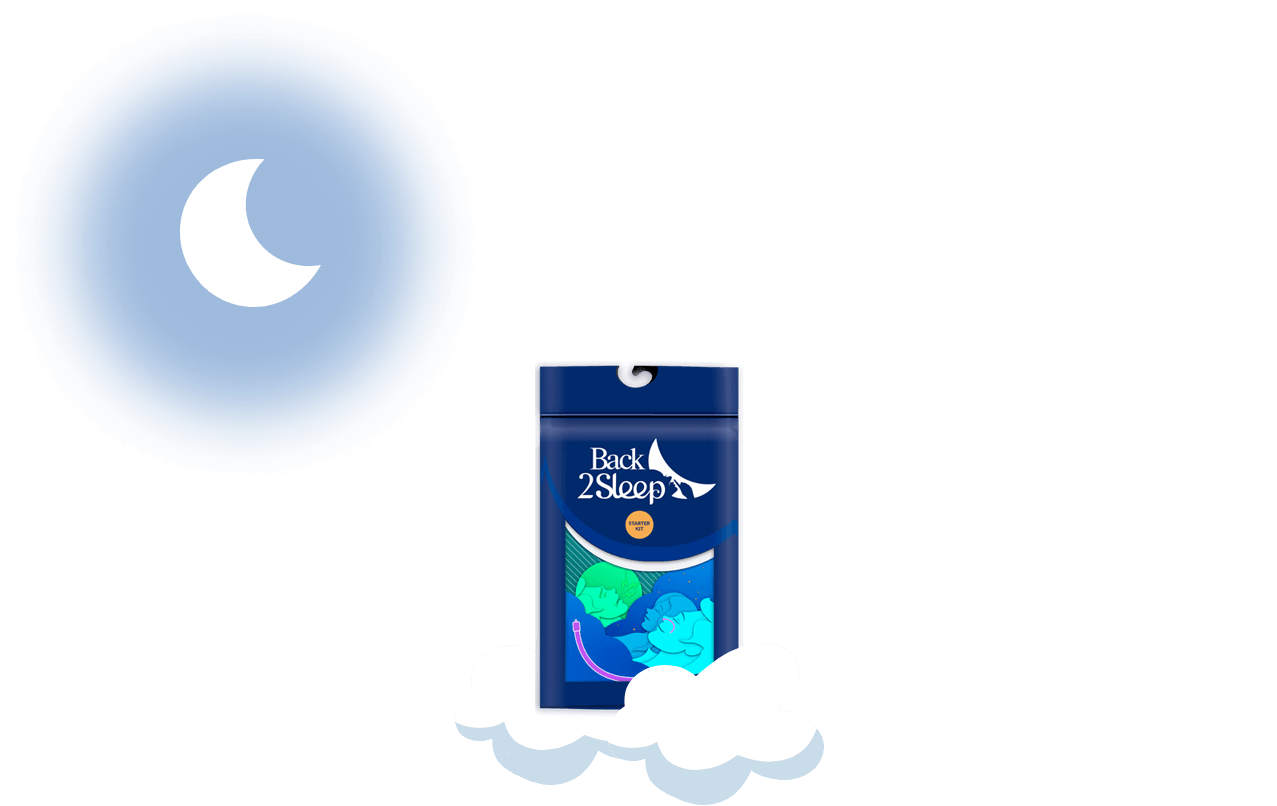
The most effective treatment for your brain is whichever one you wear every single night. For severe OSA, CPAP remains the gold standard. For mild to moderate cases, a Back2Sleep nasal stent offers a portable, maskless, electricity-free alternative that 92% of users report being satisfied with.
Why Nasal Stents Work for Brain Protection
The Back2Sleep CE-certified medical device keeps the nasal airway open by reaching from the nostril to the soft palate. It prevents the collapse that triggers apnea events — and by extension, prevents the oxygen drops that damage brain tissue. You insert it in about 10 seconds, and there is no machine, hose, or mask to deal with.
For people who travel, share a bed, or simply cannot tolerate a mask, this difference in usability translates directly to more nights of protection. And more consistent nightly use means better brain recovery outcomes.
Combine Treatment with Brain-Protective Habits
- Aerobic exercise: 150 minutes per week boosts brain-derived neurotrophic factor (BDNF), promoting neuron repair and new growth
- Mediterranean diet: Omega-3s, antioxidants, and polyphenols reduce the neuroinflammation that OSA amplifies
- Cognitive stimulation: Learning a new skill, language, or instrument builds cognitive reserve that buffers against accumulated damage
- Alcohol reduction: Alcohol worsens both OSA severity and its cognitive effects. Cutting back improves sleep quality and brain health simultaneously
- Side sleeping: Reduces apnea events and may improve glymphatic clearance compared to back sleeping
Real People Who Got Their Minds Back
Clinical data tells part of the story. Lived experience tells the rest. These accounts come from verified Back2Sleep customers and sleep apnea community members who documented their cognitive recovery.
One community member with an AHI of 50+ events per hour described how constant tiredness turned out to be compounded by an underlying cardiac condition — a reminder that sleep apnea rarely exists in isolation. Another shared that while tiredness improved substantially after starting treatment, "it is no way as severe as it was before, but it is still present" — and found that adding 20-minute daily walks significantly deepened sleep quality and cleared residual fog.
Not everyone recovers at the same speed. A user 2.5 years into treatment reported persistent brain fog and discovered that ADHD was contributing alongside the apnea. The lesson: if cognitive symptoms persist after 3–6 months of consistent nightly treatment, investigate additional causes with your physician. Sleep apnea is often one piece of a larger puzzle.
Treatment Options Compared: Brain Protection Perspective
| Factor | CPAP Machine | Nasal Stent (Back2Sleep) | No Treatment |
|---|---|---|---|
| Airway protection | Excellent (all severities) | Effective (mild-moderate) | None |
| Long-term adherence | ~46% at 3 years | 92% user satisfaction | N/A |
| Brain recovery potential | High (if used consistently) | High (if used consistently) | Progressive decline |
| Travel-friendly | Bulky, needs power | Pocket-sized, no power needed | N/A |
| Noise | Machine noise | Silent | Loud snoring |
| Setup time | 5–10 minutes | 10 seconds | N/A |
| Monthly cost | €50–100 (supplies) | €34/month (subscription) | Compounding medical costs |
Frequently Asked Questions
Every Night Counts: Start Protecting Your Brain
The research is unambiguous. Untreated sleep apnea shrinks your brain, doubles your dementia risk, and ages your cognition a full decade ahead of schedule. But the same research also shows that treatment reverses the damage — grey matter grows back, white matter repairs itself, and cognitive function approaches normal within a year of consistent nightly use.
You do not need to wait for symptoms to become severe. You do not need a sleep lab. And you do not need to commit to sleeping with a machine for the rest of your life. The Back2Sleep Starter Kit includes four sizes of CE-certified nasal stents for a 15-night trial at €44.90 — less than the cost of a single night of brain damage left untreated.
Order the Starter Kit — €44.90Read more about sleep apnea causes and effects, browse our full library of sleep health articles, or find a pharmacy near you that carries Back2Sleep.