
What Are the Causes of Sleep Apnea?

What Are the Causes of Sleep Apnea? Complete Guide to Symptoms, Risk Factors & Treatments
Sleep apnea affects nearly 1 billion people worldwide—yet 80% remain undiagnosed. This respiratory disorder causes repeated breathing interruptions during sleep, leading to daytime fatigue, cardiovascular risks, and decreased quality of life. Discover the anatomical, lifestyle, and medical factors behind sleep apnea, plus the most effective treatments available in 2025.
📊 European Perspective
In France alone, 2.5 to 6.4 million people suffer from sleep apnea according to RNPC studies. Among seniors aged 70 and above, prevalence rises to approximately 15%. The condition disproportionately affects men before age 50, though post-menopausal women face nearly equal risk.
Choose Your Size →What Is Sleep Apnea? Understanding the Condition
Sleep apnea is a serious sleep disorder characterized by repeated interruptions in breathing during sleep. These pauses—called apneas—can last from 10 seconds to over a minute and may occur hundreds of times per night, preventing restorative sleep and starving your body of vital oxygen.
The condition exists in three primary forms, each with distinct causes and treatment approaches:
Obstructive Sleep Apnea (OSA)
The most common type (84% of cases). Occurs when throat muscles relax excessively during sleep, causing airway collapse or blockage. Often accompanied by loud snoring.
Central Sleep Apnea (CSA)
The brain fails to send proper signals to breathing muscles. Less common, often linked to heart failure, stroke, or opioid use. Usually no snoring present.
Complex/Mixed Sleep Apnea
Combines both obstructive and central components. Also called treatment-emergent central sleep apnea—may develop when treating OSA with CPAP.
Hypopnea
Partial breathing reduction (30%+ decrease) for 10+ seconds. Counted alongside apneas in the AHI score. Causes similar oxygen drops and sleep disruption.
⚠️ Why 80% Go Undiagnosed
Sleep apnea is insidious—you can't observe your own breathing while asleep. Many sufferers attribute their daytime fatigue to stress, aging, or poor sleep habits. Bed partners often notice symptoms first: loud snoring, gasping, or witnessed breathing pauses. If someone has mentioned your snoring, it's worth investigating further.
Sleep Apnea Causes: What Makes Your Airway Collapse?
Sleep apnea results from a complex interplay of anatomical structures, lifestyle factors, and underlying health conditions. Understanding these causes is the first step toward effective treatment.
🔬 Anatomical Factors
Obstructive sleep apnea fundamentally involves a narrowing or collapse of the upper airway during sleep. Several structural factors contribute:
| Anatomical Factor | How It Causes Sleep Apnea | Who's Most Affected |
|---|---|---|
| Excess Neck Fat | Fat deposits around the pharynx reduce airway diameter, increasing collapse risk during muscle relaxation | Overweight/obese individuals; neck circumference >17" (men) or >16" (women) |
| Enlarged Tonsils/Adenoids | Physically block the airway, especially in the supine position | Children (primary cause); adults with persistent hypertrophy |
| Large Tongue (Macroglossia) | Falls back during sleep, obstructing the airway at the base | Down syndrome; certain genetic conditions; obesity |
| Receding Jaw (Retrognathia) | Smaller jaw pushes tongue toward the back of throat | Genetic facial structure; Pierre Robin sequence |
| Narrow Palate | Reduces total airway volume, leaving less room for breathing | Hereditary; may require surgical correction |
| Deviated Septum | Obstructs nasal airflow, increasing reliance on mouth breathing | Trauma survivors; congenital deviation |
| Long Soft Palate/Uvula | Vibrates excessively (causing snoring) and can obstruct airflow | Genetic variation; often candidates for uvulopalatoplasty |
👤 Age and Gender: The Demographics of Sleep Apnea
Your age and biological sex significantly influence sleep apnea risk:
📈 Age-Related Risk Progression
- Ages 30-49: Approximately 4% of men and 2% of women affected
- Ages 50-70: Risk increases substantially as muscle tone decreases
- Ages 70+: Prevalence rises to 10-15% of the population
- Elderly (65+): Brain may not maintain adequate throat muscle firmness during sleep
Why men are more affected: Male airways tend to be narrower compared to women, and fat distribution patterns favor neck accumulation. Men are more likely to receive a diagnosis at a younger age, though post-menopausal women catch up significantly.
👩 Women and Sleep Apnea: The Underdiagnosis Problem
Women often present with atypical symptoms—insomnia, fatigue, morning headaches, depression—rather than classic snoring. This leads to frequent misdiagnosis. Additionally, women's apnea events often cluster during REM sleep, which home tests may underreport. Post-menopausal women should be screened more aggressively, as protective hormones (estrogen, progesterone) decline.
🍷 Lifestyle Factors: Habits That Worsen Sleep Apnea
Alcohol Consumption
Relaxes pharyngeal muscles, encouraging airway collapse. Reduces brain responsiveness to oxygen drops, delaying awakening reflexes. Avoid alcohol 3-4 hours before bed.
Smoking
Causes airway inflammation and swelling, increasing obstruction risk. Smokers are up to 3x more likely to develop sleep apnea than non-smokers.
Sedatives & Opioids
Decrease muscle tone and suppress the brain's breathing control. Opioid use is a major cause of central sleep apnea. Benzodiazepines have similar effects.
Sleeping Position
Sleeping on your back (supine) doubles AHI compared to side sleeping. Gravity pulls the tongue backward, obstructing the airway more easily.
🏥 Medical Conditions That Increase Sleep Apnea Risk
| Medical Condition | Connection to Sleep Apnea | Prevalence |
|---|---|---|
| Obesity | Excess weight increases fat deposits in the airway, reducing diameter. BMI is the strongest predictor of OSA | 70% of OSA patients are overweight or obese |
| Type 2 Diabetes | Bidirectional relationship: sleep apnea causes insulin resistance; diabetes increases OSA risk | Up to 83% of diabetics have some form of sleep-disordered breathing |
| Hypertension | OSA causes repeated blood pressure spikes during apneas; contributes to "resistant" hypertension | 50% of OSA patients have hypertension |
| Congestive Heart Failure | Fluid redistribution when lying down increases airway edema; often causes CSA with Cheyne-Stokes breathing | 40-60% of CHF patients have sleep apnea |
| Hypothyroidism | Weight gain and tissue swelling near the airway; low thyroid hormone reduces muscle tone | 25-35% of hypothyroid patients have OSA |
| PCOS (Polycystic Ovary Syndrome) | Higher androgen levels lead to weight gain and fat distribution changes | ~20% of women with PCOS have OSA |
| Down Syndrome | Anatomical features: macroglossia, midface hypoplasia, muscle hypotonia | 50-80% of individuals with Down syndrome |
| Allergies/Rhinitis | Nasal congestion forces mouth breathing and increases upper airway resistance | Significant contributor, especially seasonal |
🧬 Genetic and Hormonal Factors
Family history matters: If close relatives have sleep apnea, your risk is significantly elevated. Many anatomical risk factors—jaw structure, tongue size, airway dimensions—are inherited. Specific genetic markers (HLA phenotypes) have been associated with sleep apnea susceptibility.
👩🦳 Menopause and Sleep Apnea
Before menopause, female hormones (estrogen and progesterone) appear to protect against sleep apnea by maintaining airway muscle tone. After menopause, declining hormone levels remove this protection, causing women's risk to approach men's levels. Hormone replacement therapy (HRT) may reduce risk, though it's not recommended solely for sleep apnea treatment due to other health considerations.
🤰 Pregnancy and Sleep Apnea
Pregnancy hormones, weight gain, and fluid retention increase sleep apnea risk. Untreated OSA during pregnancy is associated with:
- Gestational hypertension and preeclampsia
- Gestational diabetes
- Increased risk of cesarean delivery
- Low birth weight and preterm birth
Good news: Positive airway pressure devices (CPAP/BiPAP) are safe during pregnancy. If you're pregnant and snoring loudly or feeling excessively fatigued, consult your healthcare provider.
Recognizing Sleep Apnea: Symptoms & Warning Signs
Sleep apnea symptoms often develop gradually, making them easy to dismiss. Many people don't realize they have a problem until a bed partner complains or serious health issues emerge.
🌙 Nighttime Symptoms
Loud, Chronic Snoring
The hallmark symptom. Caused by vibrating soft tissues. Note: Not everyone who snores has sleep apnea, and not everyone with sleep apnea snores.
Gasping or Choking
Sudden awakenings with a sensation of suffocation. Your body's emergency response to oxygen deprivation.
Witnessed Breathing Pauses
A bed partner notices you stop breathing for seconds at a time, followed by loud snorts or gasps.
Frequent Nighttime Urination
Called nocturia. Caused by hormonal changes from sleep disruption and increased pressure on the heart.
☀️ Daytime Symptoms
- Excessive daytime sleepiness (EDS): Falling asleep during activities—meetings, driving, watching TV
- Morning headaches: Caused by overnight oxygen deprivation and CO2 retention
- Dry mouth or sore throat upon waking: From mouth breathing during obstruction
- Difficulty concentrating: "Brain fog," memory problems, impaired executive function
- Mood changes: Irritability, depression, anxiety, mood swings
- Decreased libido: Fatigue and hormonal changes affect sexual function
- Frequent colds: Compromised immune function from poor sleep
✅ Sleep Apnea Self-Assessment Checklist
Check all that apply. If you check 3 or more, consider consulting a sleep specialist:
- I snore loudly (audible through closed doors)
- Someone has witnessed me stop breathing during sleep
- I wake up gasping or choking
- I feel unrested despite sleeping 7+ hours
- I experience excessive daytime sleepiness
- I have morning headaches multiple times per week
- I have difficulty concentrating or memory problems
- I have high blood pressure
- My BMI is above 30 (obese)
- My neck circumference is >17" (men) or >16" (women)
- I am over 50 years old
- I am male OR a post-menopausal female
🚨 Seek Immediate Medical Attention If:
- You've fallen asleep while driving or operating machinery
- You wake up with severe confusion or disorientation
- You experience chest pain or irregular heartbeats at night
- A child is snoring heavily and showing signs of developmental delay
Diagnosis: Understanding the AHI Score and Sleep Studies
Proper diagnosis requires objective measurement of your breathing during sleep. The Apnea-Hypopnea Index (AHI) is the gold standard metric for classifying sleep apnea severity.
📊 The Apnea-Hypopnea Index (AHI) Explained
The AHI measures how many times per hour you experience apneas (complete breathing stops ≥10 seconds) or hypopneas (partial airflow reduction ≥30% for ≥10 seconds). It's calculated by dividing total events by hours of sleep.
📉 Example AHI Calculation
If you experience 15 apneas and 27 hypopneas over 7 hours of sleep:
AHI = (15 + 27) ÷ 7 = 6 events/hour → Mild sleep apnea
🏥 Types of Sleep Studies
| Study Type | Location | What It Measures | Best For |
|---|---|---|---|
| Polysomnography (PSG) | Sleep laboratory | Brain waves, eye movements, muscle activity, breathing, heart rate, oxygen levels, body position | Gold standard; complex cases; differentiating OSA from CSA |
| Home Sleep Apnea Test (HSAT) | Your home | Breathing patterns, oxygen levels, heart rate, body position | Suspected uncomplicated OSA; patients who can't attend lab |
| Multiple Sleep Latency Test (MSLT) | Sleep laboratory | How quickly you fall asleep; REM sleep onset | Diagnosing narcolepsy; measuring daytime sleepiness severity |
⚠️ Limitations of AHI
While widely used, AHI has notable limitations:
- Doesn't capture severity of oxygen drops: Two people with AHI=20 may have vastly different oxygen desaturation levels
- May underestimate women's risk: Women often have REM-clustered events, which home tests may miss
- Doesn't account for symptoms: Some people with high AHI feel fine; others with low AHI are severely impaired
Emerging metrics like "hypoxic burden" (total area under oxygen desaturation curve) better predict cardiovascular risk.
Health Consequences: Why Untreated Sleep Apnea Is Dangerous
Sleep apnea isn't just about feeling tired. The repeated oxygen deprivation and sleep fragmentation trigger a cascade of systemic effects that significantly increase mortality risk.
❤️ Cardiovascular Complications
🫀 The Heart-Sleep Apnea Connection
A 2025 NIH study confirmed that hypoxic burden (cumulative oxygen deprivation) is the primary mechanism linking sleep apnea to cardiovascular disease. Each apnea event causes:
- Blood pressure spikes up to 240/130 mmHg during arousal
- Sympathetic nervous system activation (fight-or-flight response)
- Oxidative stress and systemic inflammation
- Endothelial dysfunction (damaged blood vessel linings)
| Cardiovascular Risk | Increased Risk with Untreated OSA | Reversible with Treatment? |
|---|---|---|
| Hypertension | 2-3x higher risk; 50% of OSA patients have hypertension | ✅ Yes—CPAP reduces blood pressure by 2-10 mmHg |
| Atrial Fibrillation | 4x higher risk; apnea triggers arrhythmias | ✅ Partially—treatment reduces recurrence |
| Heart Attack (MI) | 30% higher risk; worse outcomes during hospitalization | ✅ Yes—CPAP in high-risk patients reduces events |
| Stroke | 2-4x higher risk; especially in severe OSA | ✅ Yes—treatment significantly reduces risk |
| Heart Failure | Bidirectional relationship; CHF worsens CSA | ⚠️ Partially—complex relationship |
| Sudden Cardiac Death | Peak risk during sleep (opposite of general population) | ✅ Yes—treatment normalizes risk timing |
🧠 Cognitive and Neurological Effects
- Memory impairment: Reduced hippocampal volume; difficulty forming new memories
- Executive dysfunction: Poor decision-making, impaired planning
- Increased Alzheimer's risk: Sleep apnea increases beta-amyloid protein accumulation and white-matter damage
- Depression and anxiety: 2-3x higher rates in OSA patients
- Motor vehicle accidents: 17% higher crash risk; drowsy driving comparable to drunk driving
⚠️ Sleep Apnea and Dementia
Studies show that mid-life sleep apnea increases Alzheimer's risk in older age. The connection is bidirectional—having Alzheimer's also increases sleep apnea likelihood. Encouraging news: CPAP treatment appears to reverse some brain structural changes and cognitive impairment when started early.
🔬 Metabolic Consequences
- Type 2 diabetes: Sleep apnea causes insulin resistance independent of obesity
- Weight gain: Sleep deprivation increases ghrelin (hunger hormone) and decreases leptin (satiety hormone)
- Metabolic syndrome: Central obesity, hypertension, dyslipidemia, insulin resistance
🚗 Quality of Life Impact
- Relationship strain: Partner sleep disruption from snoring; decreased intimacy
- Work performance: Reduced productivity; increased absenteeism
- Social withdrawal: Embarrassment about snoring; avoiding travel or shared accommodations
- Accident risk: Workplace injuries from inattention; motor vehicle crashes
Sleep Apnea in Children: A Often-Missed Diagnosis
Pediatric sleep apnea affects 1-6% of all children and adolescents, with rates as high as 30-60% among obese adolescents. Unlike adults, children may present with behavioral problems rather than obvious sleepiness.

👶 Causes in Children vs. Adults
| Factor | Children | Adults |
|---|---|---|
| Primary Cause | Enlarged tonsils and adenoids (most common) | Obesity; anatomical factors |
| Obesity Role | Increasing contributor; affects 30-60% of obese adolescents | Major factor; 70% of OSA patients are overweight |
| Symptoms | Hyperactivity; attention problems; behavioral issues; mouth breathing | Excessive daytime sleepiness; snoring; witnessed apneas |
| Primary Treatment | Adenotonsillectomy (surgical removal) | CPAP therapy; lifestyle changes |
| Diagnostic AHI Threshold | AHI ≥ 1 considered abnormal | AHI ≥ 5 for diagnosis |
🚨 Warning Signs in Children
Sleep-Related Signs
Loud snoring, mouth breathing, restless sleep, unusual sleeping positions (neck hyperextension), bed-wetting, night terrors, sleepwalking
Behavioral/Cognitive
Attention deficit, hyperactivity (often misdiagnosed as ADHD), poor academic performance, emotional instability, morning headaches
Growth Issues
Failure to thrive, delayed development, poor appetite, growth hormone disruption from fragmented sleep
Cardiovascular
Elevated blood pressure (even in children), reduced "blood pressure dipping" during sleep, left ventricular changes
🚨 High-Risk Pediatric Groups
Children with these conditions should be screened aggressively for sleep apnea:
- Down syndrome: 50-80% prevalence due to anatomical features
- Obesity: Significantly elevated risk
- Craniofacial abnormalities: Pierre Robin sequence, cleft palate
- Neuromuscular disorders: Muscular dystrophy
- Sickle cell disease: Independent risk factor
- Premature birth: Delayed respiratory control development
✅ Good News: Treatment Works
Adenotonsillectomy resolves sleep apnea in up to 80% of otherwise healthy children. Studies show significant improvements in blood pressure, heart function, behavior, and academic performance following treatment. Early intervention prevents long-term cardiovascular consequences.
Treatment Options: From CPAP to Innovative Alternatives
Sleep apnea treatment depends on severity, underlying causes, and individual tolerance. The goal is to keep airways open during sleep, restore oxygen levels, and prevent the health consequences of untreated apnea.
🏆 Gold Standard: CPAP Therapy
Continuous Positive Airway Pressure (CPAP) remains the most effective treatment for moderate-to-severe obstructive sleep apnea. A bedside machine delivers pressurized air through a mask, creating a pneumatic splint that keeps airways open.
📊 CPAP Effectiveness
- AHI reduction: Decreases events by 73% on average
- Severe OSA: 6+ hours of CPAP use returns AHI to normal (<5 events/hour)
- Blood pressure: Reduces by 2-10 mmHg with consistent use
- Cardiovascular protection: Significantly reduces heart attack and stroke risk
💶 CPAP Coverage in France
CPAP treatment is covered by French health insurance (Assurance Maladie) if:
- AHI ≥ 30 events/hour, OR
- AHI 15-30 with severe symptoms (sleepiness, cardiovascular issues), OR
- AHI ≥ 15 with at least 3 of: daytime sleepiness, loud snoring, choking sensation, fatigue, frequent nighttime awakenings, morning headaches
Usage requirement: Minimum 2 hours per night with demonstrated effectiveness. Treatment renewed at 4 months, then annually.
🔄 CPAP Alternatives
| Treatment | How It Works | Effectiveness | Best For |
|---|---|---|---|
| BiPAP/BiLevel | Two pressure levels: higher for inhalation, lower for exhalation | Similar to CPAP | CPAP-intolerant; central sleep apnea; hypoventilation |
| APAP (Auto-CPAP) | Automatically adjusts pressure throughout the night | Equivalent to fixed CPAP | Patients needing varying pressures; positional apnea |
| Mandibular Advancement Device (MAD) | Custom mouthpiece advances lower jaw forward | 30-65% AHI reduction; good for snoring | Mild-moderate OSA; CPAP-intolerant; travelers |
| Positional Therapy | Devices/garments prevent supine sleeping | AHI reduction comparable to CPAP in positional OSA | Position-dependent OSA (AHI doubles when supine) |
| Hypoglossal Nerve Stimulation | Implanted device stimulates tongue muscles during sleep | 68% achieve AHI <15 after 5 years | Moderate-severe OSA; CPAP failure; BMI <35 |
| Nasal EPAP (Provent) | Disposable nasal valve creates expiratory resistance | Good for mild-moderate OSA | Travel; CPAP-intolerant; backup therapy |
| Nasal Stent/Prosthesis | Soft silicone tube maintains nasal airway patency | Effective for snoring and mild-moderate OSA | Non-invasive alternative; travel-friendly |
🔧 Surgical Options
When anatomical defects cause sleep apnea and conservative treatments fail, surgery may be considered. Success rates vary widely (30-80%), and procedures carry inherent risks.
- Uvulopalatopharyngoplasty (UPPP): Removes excess tissue from throat; 40-60% success
- Tonsillectomy/Adenoidectomy: First-line for children; highly effective
- Maxillomandibular Advancement (MMA): Moves jaw forward; 80-90% success but major surgery
- Nasal Surgery: Septoplasty, turbinate reduction for nasal obstruction
- Bariatric Surgery: For morbidly obese patients; significant OSA improvement with weight loss
💊 Medications
No medication directly treats obstructive sleep apnea, but some address symptoms or related conditions:
- Solriamfetol (SUNOSI): Treats residual daytime sleepiness despite CPAP use
- Modafinil/Armodafinil: Wakefulness-promoting agents for persistent sleepiness
- Tirzepatide (Zepbound): FDA-approved December 2024 for moderate-severe OSA in patients with obesity; significant AHI reduction through weight loss
Nasal Prosthesis: An Innovative, Non-Invasive Solution
For those seeking a discrete, CPAP-free alternative, nasal stents represent an innovative approach to maintaining airway patency during sleep. Unlike bulky machines, these devices are virtually invisible and require no electricity.
How Nasal Stents Work
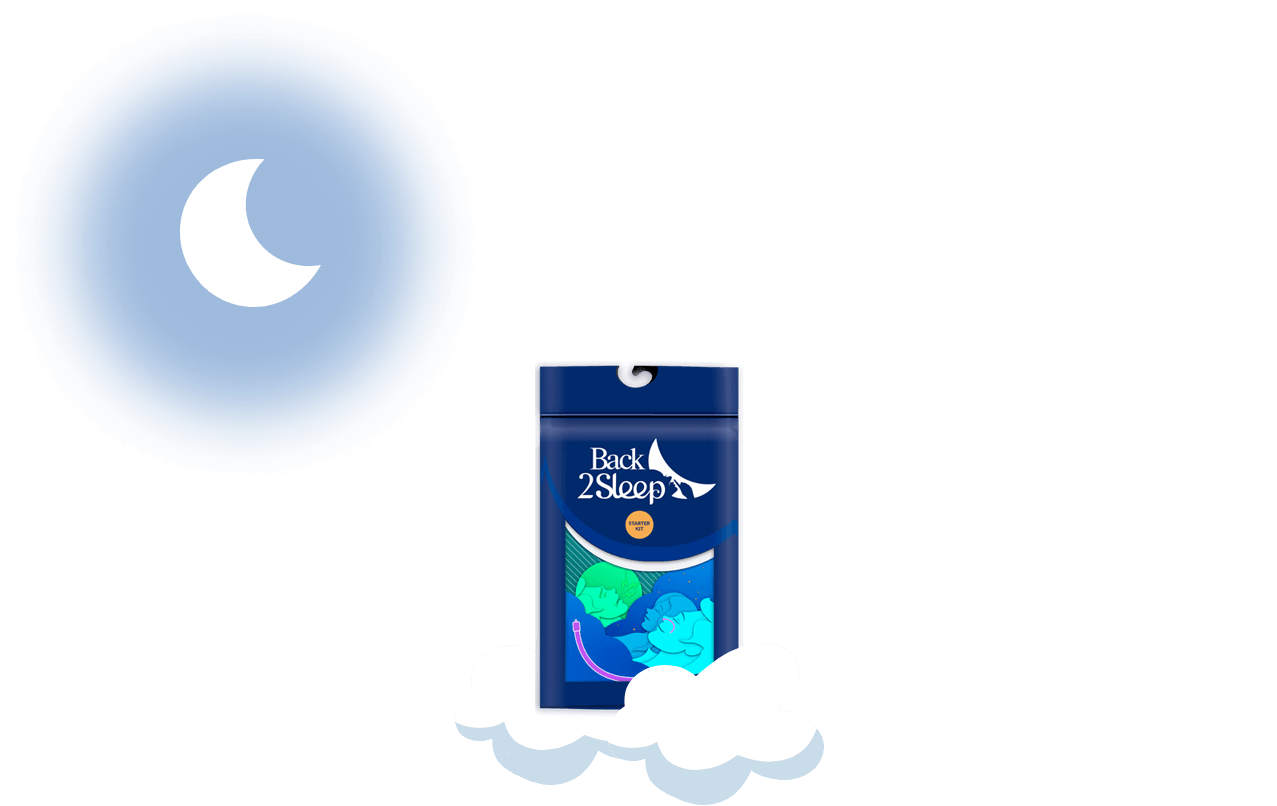
The Back2Sleep nasal prosthesis is a soft, medical-grade silicone tube that fits comfortably in one nostril, extending to the soft palate. This creates an unobstructed channel for airflow, preventing the collapse that causes snoring and mild-to-moderate obstructive events.
CE-Certified Medical Device
Rigorously tested and approved for use across the European Union. Dermatologically tested for skin-friendly comfort.
10-Second Insertion
No complex setup. Simply insert before bed—far easier than CPAP mask fitting and adjustment.
Travel-Friendly
No electricity, no machine, no bulky equipment. Fits in your pocket. Perfect for hotels, flights, and camping.
Silent Operation
Unlike CPAP machines, nasal stents produce no noise. Your partner sleeps better too.
📦 Product Options & Pricing
| Product | Contents | Price | Duration |
|---|---|---|---|
| Starter Kit | 4 tubes (S, M, L, XL), lubricant, usage manual | €44.90 | 15-night trial to find your size |
| Individual Box | 1 device in your size, 3 lubricants, instructions for use | €34 | ~1 month supply |
| Monthly Subscription | Regular delivery of your size | €34/month | Free delivery included |
| Yearly Subscription | 12-month supply | €285/year (~€23.75/unit) | Best value |
✅ User Satisfaction
Over 92% of users report effectiveness from the first night. The device has helped over 1 million customers reduce snoring and improve sleep quality. Trustpilot reviews average 4.8/5 stars.
💬 Real User Testimonials
Lifestyle Changes: Natural Ways to Reduce Sleep Apnea
While medical treatments are often necessary, lifestyle modifications can significantly reduce sleep apnea severity—sometimes eliminating mild cases entirely.
⚖️ Weight Management
Body weight is the strongest modifiable risk factor for obstructive sleep apnea. Studies show that even a 10% weight loss can reduce AHI by 26% and sometimes cure mild OSA entirely.
🥗 The Mediterranean Diet Connection
Research shows that following a Mediterranean diet—rich in fruits, vegetables, whole grains, fish, and olive oil—reduces apnea events even without weight loss. Anti-inflammatory properties may reduce airway swelling.
🛏️ Sleep Position Optimization
Sleeping on your back (supine position) can double your AHI compared to side sleeping. Simple strategies include:
- Tennis ball technique: Sew a tennis ball into the back of your pajama top
- Positional therapy devices: Commercial products that prevent back sleeping
- Wedge pillows: Elevate your head and torso to reduce airway collapse
- Body pillows: Help maintain side-sleeping position throughout the night
🚭 Quit Smoking and Limit Alcohol
- Stop smoking: Reduces airway inflammation within weeks; lowers OSA risk by ~60%
- Limit alcohol: Avoid drinking 3-4 hours before bed; alcohol relaxes throat muscles
- Avoid sedatives: Sleeping pills can worsen apnea; discuss alternatives with your doctor
💪 Exercise Regularly
Exercise improves sleep apnea independent of weight loss. Benefits include:
- Improved upper airway muscle tone
- Reduced fluid accumulation in the neck
- Better sleep quality and duration
- Reduced inflammation
Recommendation: At least 150 minutes of moderate aerobic activity per week, but avoid intense exercise within 4 hours of bedtime.
😤 Nasal Congestion Management
Nasal obstruction forces mouth breathing and increases upper airway resistance. Consider:
- Nasal saline rinses: Clear congestion naturally
- Allergy treatment: Antihistamines, nasal steroids for allergic rhinitis
- Nasal dilators: External strips or internal devices
- Humidifiers: Reduce dryness that worsens congestion
📋 Quick Reference: Sleep Apnea at a Glance
| Question | Answer |
|---|---|
| What is sleep apnea? | A disorder causing repeated breathing pauses (≥10 seconds) during sleep |
| How common? | ~1 billion adults globally; 5-7% of adult population; 80% undiagnosed |
| Main types? | Obstructive (84%), Central (15%), Complex/Mixed (1%) |
| Primary causes? | Obesity, anatomical factors (tonsils, jaw, tongue), age, alcohol, medications |
| Key symptoms? | Loud snoring, witnessed apneas, gasping, excessive daytime sleepiness, morning headaches |
| Diagnosis? | Sleep study (polysomnography or home test); AHI score determines severity |
| AHI severity levels? | Normal (<5), Mild (5-14), Moderate (15-29), Severe (≥30) |
| Gold standard treatment? | CPAP therapy; 73% AHI reduction with consistent use |
| Alternatives to CPAP? | Oral appliances, positional therapy, nasal stents, surgery, weight loss |
| Health risks if untreated? | Heart attack, stroke, hypertension, diabetes, cognitive decline, accidents |
| Affects children? | Yes—1-6% of children; primary cause is enlarged tonsils/adenoids |
| Reversible? | Often yes—with weight loss, surgery, or consistent treatment |
Take Control of Your Sleep Tonight
Don't let sleep apnea steal your energy, health, and quality of life. Whether you're exploring CPAP alternatives or seeking a simple solution for snoring, Back2Sleep offers innovative, clinically-backed nasal stent technology trusted by over 1 million users.
Order Your Starter Kit Now✅ 92% user satisfaction | 🚚 Fast EU delivery | 💳 Secure payment | About Us
📚 Continue Learning
Explore more resources about sleep health and breathing solutions: