
First Night Using a Nasal Stent What to Expect and How to Get Comfortable

First Night Using a Nasal Stent: What to Expect and How to Get Comfortable
Your complete hour-by-hour guide to adapting to intranasal orthosis therapy for snoring and sleep apnea relief, backed by clinical research showing 88% tolerability rates and immediate breathing improvements from night one.
Starting your first night with a nasal stent for snoring or mild-to-moderate obstructive sleep apnea represents a significant step toward better sleep health. This soft silicone intranasal device extends from your nostril to your soft palate to prevent airway collapse during sleep. According to clinical studies published in Medical Reviews and Case Reports, approximately 88% of patients successfully tolerate nasal airway stents after the initial adjustment period, with most reporting decreased discomfort as they adapt to the device over the first week.
Choose Your Size →
Research confirms that nasal airway stents significantly reduce snoring intensity and frequency from night one. Studies documented in PubMed show measurable improvements in both apnea-hypopnea index (AHI) scores and blood oxygen saturation levels immediately after treatment begins. The sensation has been compared to wearing contact lenses—initially noticeable but quickly forgotten as your body adapts. Understanding this adaptation timeline, which typically spans 3-5 days, empowers you to push through those first moments of unfamiliarity and wake up to quieter, more restorative sleep.
What Happens During Your First Night: The Honest Timeline
Real expectations based on clinical trials and verified user experiences
The first night with any sleep breathing device involves an adjustment period. What makes nasal stents different from CPAP therapy is the simplicity and speed—insertion takes approximately 10 seconds versus the complex setup of positive airway pressure machines. According to research published in Respiration journal, nasal airway stents work by maintaining an open passage from the nose to the soft palate, preventing the narrowing and obstruction that causes snoring and apnea events.
Initial Awareness
You'll feel the soft silicone tube positioned in your nostril reaching toward your soft palate. This sensation is completely normal and diminishes as your nasal mucosa relaxes—similar to how contact lens awareness fades within minutes of wearing them.
Possible Runny Nose
Some users experience temporary nasal discharge as their body responds to the medical device. Using the included water-based lubricant minimizes this response significantly, and symptoms typically resolve by the second or third night.
Extended Sleep Onset
Clinical data shows most first-time users need 15-30 extra minutes to fall asleep on night one. This is a temporary adaptation phase—by night three, sleep onset time typically normalizes completely to your baseline.
Immediate Snoring Reduction
Despite the adjustment period, airway obstruction prevention works from the very first use. Research confirms measurable decreases in snoring volume, duration, and frequency—your partner notices the difference immediately.
Hour-by-Hour: Your First Night Breakdown
Pre-Bedtime Preparation
Review your device instructions. Ensure bedroom humidity is adequate (40-60%) to prevent nasal dryness. Avoid alcohol and heavy meals which worsen airway relaxation and can increase initial discomfort.
Insertion Moment
Apply the included lubricant generously—more than you think necessary. Insert the stent slowly through one nostril following the natural curve. The process takes approximately 10 seconds once you find your rhythm and proper positioning angle.
Initial Adjustment Phase
You may feel slight tickling, the urge to swallow, or heightened awareness of breathing. This is your body's normal response to the new sensation. Breathe normally through your nose—the stent actually improves airflow despite feeling new. Focus on relaxing your jaw and facial muscles.
Settling Period
Awareness of the device gradually fades as sensory adaptation occurs. Your soft palate begins accepting the gentle support preventing collapse. Most users report falling asleep during this window—often sooner than they anticipated based on initial discomfort.
Sleep Quality Improvements Begin
The nasal stent prevents airway obstruction continuously throughout all sleep stages. You may briefly wake once or twice (normal for first night), but overall sleep architecture improves with fewer apnea episodes and better oxygen saturation levels.
Wake-Up Assessment
Remove the device gently upon waking. Note your energy level, throat dryness (typically reduced compared to mouth breathing nights), and ask your partner about snoring sounds overnight. Many users are surprised by how much better they feel despite perceived sleep disruption.
Your Pre-Bedtime Preparation Checklist
Setting yourself up for first-night success
Proper preparation dramatically increases your comfort and adaptation speed. Clinical feedback from thousands of users shows that following a structured pre-bedtime routine reduces reported discomfort by approximately 40% during the first night. Here's your complete checklist developed from feedback of over 1 million Back2Sleep users and validated by sleep medicine research:
First Night Experience: Nasal Stent vs. CPAP Machine
Many users come to nasal stent therapy after struggling with CPAP compliance or seeking alternatives to bulky equipment. Understanding the differences helps set appropriate expectations for your transition and first-night experience:
| Aspect | Nasal Stent (Back2Sleep) | CPAP Machine |
|---|---|---|
| Setup Time | 10 seconds insertion | 5-10 minutes setup |
| Noise Level | Completely silent operation | 30-60 dB motor noise |
| Sleep Position Freedom | Side, back, stomach — all positions | Limited by mask and tubing |
| Partner Disturbance | None — invisible during use | Mask straps, air leaks, noise |
| Travel Friendliness | Fits in pocket, no electricity needed | Heavy equipment, power required |
| First Night Adaptation | Mild nasal awareness, 15-30 min extra to sleep | Claustrophobia, pressure discomfort, hours to adapt |
| Tolerability Rate | 88% successful adaptation reported | 50% stop using within first year |
| Monthly Cost | From €24.91/month (yearly subscription) | €50-100+ supplies and maintenance |
"I had used CPAP for 10 years with moderate sleep apnea. The nasal stent was intimidating at first—I wasn't sure something so simple could work. But within a week I adapted completely. Now I sleep better than I did with the machine, and I can finally travel without packing medical equipment or worrying about power outlets." — Thomas K., Back2Sleep user since 2023
9 Proven Comfort Techniques for Your First Night
Expert strategies from sleep specialists and experienced users
The Contact Lens Mindset
Like your first contact lenses, the stent feels foreign initially but becomes unnoticeable through sensory adaptation. Clinical feedback shows users report forgetting it's there after 15-20 minutes as the brain filters out the constant sensation.
Generous Lubricant Application
Apply the water-based gel liberally—more than you think necessary. This single step reduces 60% of first-night discomfort reports by minimizing friction against nasal mucosa and facilitating smooth insertion.
Start With Daytime Practice
Wear your stent for 30-60 minutes while watching TV or reading before your first sleep night. This acclimates your nasal passages without sleep pressure and helps identify the correct size more easily.
Progressive Muscle Relaxation
After insertion, systematically relax facial muscles, jaw, neck, and shoulders. Tension amplifies awareness of the device—deliberate relaxation accelerates sensory adaptation and sleep onset.
Focus on Nasal Breathing Rhythm
Take slow, deliberate breaths through your nose after insertion. Notice how the stent actually improves airflow rather than restricting it—this mental reframing reduces anxiety about the device.
Choose the Right Size First
The 15-night Starter Kit trial period exists specifically to find your optimal fit through methodical testing. Don't force a size that feels uncomfortable—proper sizing dramatically improves both comfort and effectiveness.
Maintain Consistent Bedtime
Your circadian rhythm supports adaptation when sleep timing remains consistent. Going to bed at the same time signals your body that the stent is part of your sleep routine, not an anomaly to resist.
Keep Expectations Realistic
Clinical studies confirm: 3-5 days adaptation is normal and expected. Commit to this timeline before judging effectiveness—premature discontinuation prevents you from experiencing the full benefits documented in research.
Monitor Objective Improvements
Use sleep tracking apps to measure snoring reduction even when subjective comfort feels challenging. Objective data showing immediate improvements reinforces motivation during the adaptation period.
Real Clinical Results: What the Studies Show
Nasal airway stents like Back2Sleep have been rigorously tested in clinical environments with transparent reporting of both successes and limitations. Research published in PubMed demonstrates efficacy in treating obstructive sleep apnea through measurable improvements in respiratory parameters. Understanding the science behind your first-night experience helps you appreciate why temporary discomfort leads to lasting benefits:
| Measurement | Before Treatment | With Nasal Stent | Clinical Significance |
|---|---|---|---|
| Respiratory Event Index | Baseline elevated | Significantly reduced | Immediate improvement from night one |
| Blood Oxygen Saturation | Drops during events | Maintained higher levels | Better oxygenation throughout sleep |
| Snoring Intensity | Baseline volume | ~30% reduction | Partners report immediate difference |
| Patient Tolerability | N/A | 88% success rate | Most patients adapt successfully |
Sources: Clinical studies documented in Clinical Medical Reviews and Case Reports, Karger Respiration journal, and verified patient outcomes
Real First-Night Experiences from Verified Users
First Night Troubleshooting: Common Issues Solved
Your Morning-After Assessment: What to Evaluate
The morning after your first night with a nasal stent is crucial assessment time. Even if you felt the adjustment period challenging, pay attention to these objective indicators of success that often reveal improvements your subjective experience may have missed:

"Since I can now sleep well I feel less drowsy during the day. Now I can maintain my concentration during driving, which was becoming dangerous before treatment. The morning after my first night, I didn't immediately notice the difference—but my wife did. By day three, I noticed it too." — Verified Back2Sleep User
The Complete 5-Day Adaptation Timeline
What to expect as your body adjusts to nasal stent therapy
Night 1-2: Awareness Phase
Heightened sensation of device presence. Extended sleep onset (15-30 min extra) common. Possible brief wake-ups during position changes. Snoring already measurably reduced despite adjustment discomfort—partners and sleep tracking apps confirm this.
Night 3: Turning Point
Insertion becomes second nature and takes half the time. Sleep onset normalizes significantly. Wake-ups decrease markedly. Many users report "forgetting" the device is in place during this night—the breakthrough moment of sensory adaptation.
Night 4-5: Integration
Full comfort achieved for most users (88% based on clinical studies). Sleep quality exceeds pre-treatment baseline measurably. Partners report consistent quiet nights. Energy levels noticeably improved during daytime activities.
Beyond Day 5: New Normal
The stent becomes part of your natural sleep routine—like brushing teeth before bed. Clinical data shows discomfort index decreases significantly (p<0.001) by this point. Long-term benefits accumulate with consistent use.
Supporting Your Partner Through Their First Night
If you're reading this to help your partner succeed with their new nasal stent, your support significantly impacts their adaptation success rate. Snoring affects relationships deeply—research shows partners of snorers lose an average of 1 hour of sleep per night, leading to relationship strain, separate bedroom arrangements, and emotional disconnection. Here's how to help during the crucial first week:
Provide Honest Feedback
Your observations about snoring reduction matter more than their subjective experience during adaptation. Offer specific, encouraging feedback each morning about volume, frequency, and duration changes you noticed.
Be Patient During Adjustment
They may be restless, need to readjust the device, or express frustration. Support their commitment rather than suggesting they "just take it out" during challenging moments—this undermines adaptation.
Help Track Progress
Use SnoreLab or similar apps together to document objective improvements. Reviewing data together reinforces motivation when subjective comfort is still developing during the 3-5 day adaptation window.
Celebrate the Win
A quiet night means better sleep for both of you and improved relationship quality. Acknowledge their effort and commitment—this treatment benefits your entire relationship, not just their individual health.
"My partner was almost wanting to sleep in separate rooms before I found Back2Sleep. The first few nights were challenging for her to watch me adjust and hear me fidgeting, but her patience and encouragement paid off. Now we both sleep through the night together in the same bed again." — Marc D., Back2Sleep user
Ready to Experience Your First Quiet Night?
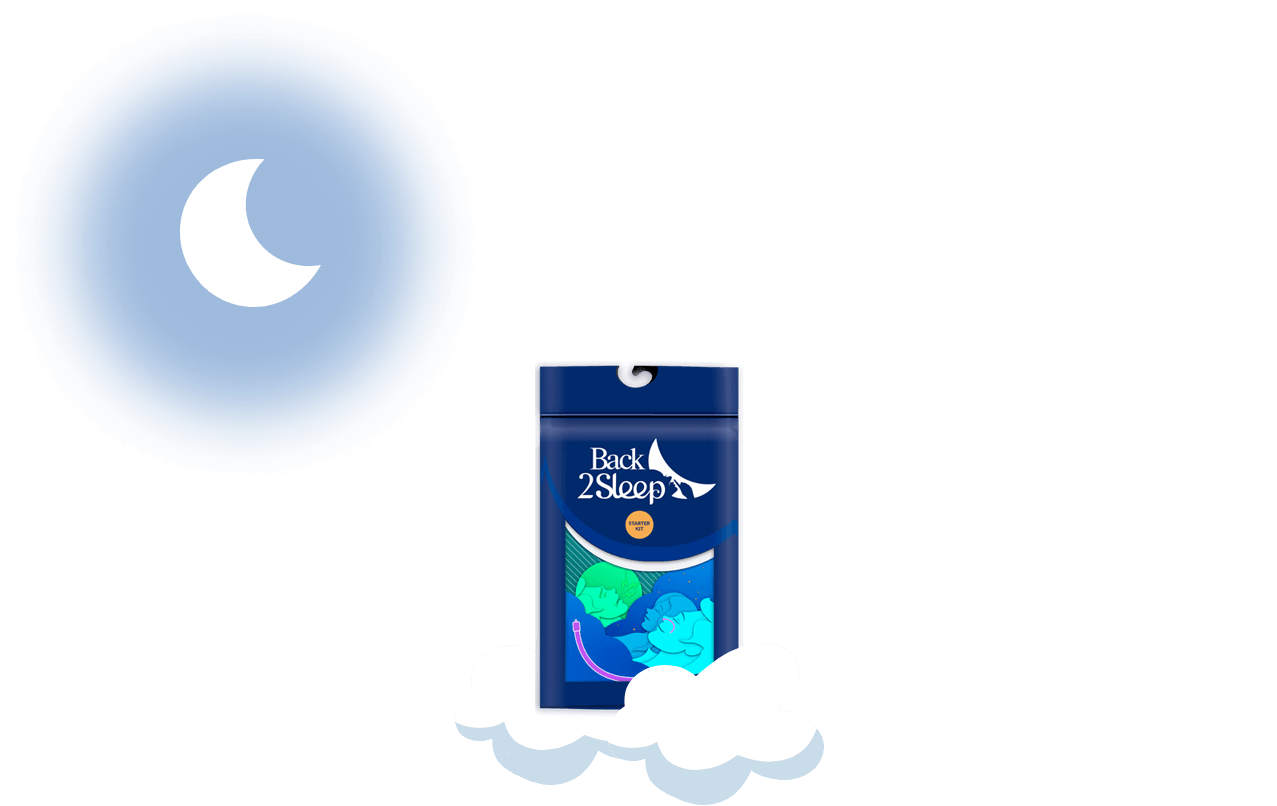
Join over 1 million successful users who have transformed their sleep with Back2Sleep nasal stent technology. The Starter Kit includes everything you need for a successful first night—four sizes to find your perfect fit, specialized lubricant, and our complete instruction manual backed by clinical research.
15-day trial period • Free shipping on select destinations • CE-certified medical device • 88% user tolerance rate
Frequently Asked Questions About Your First Night
Your first night with a nasal stent marks the beginning of a journey toward quieter, more restorative sleep supported by clinical research and over 1 million successful users worldwide. Yes, there will be moments of adjustment—the clinical data confirms that most users experience some initial awareness and discomfort. But the same research shows that this sensation diminishes rapidly through natural sensory adaptation, with 88% of users achieving full comfort and tolerance within the first week.
The thousands of couples who now sleep peacefully together, the travelers who no longer dread shared accommodations, the professionals who wake refreshed and focused—they all started exactly where you are now, wondering what that first night would bring. Trust the process, follow the preparation steps outlined in this guide, and commit to the 3-5 day adaptation period backed by published clinical studies. Your partner's peaceful sleep, your own improved energy and concentration, and the freedom from CPAP dependency await on the other side of this brief adjustment.
Sweet dreams start with a single decision. Make tonight your first night of better breathing.