
Sleep Apnea Self-Assessment: 10 Warning Signs You Shouldn't Ignore

Sleep Apnea Self-Assessment: 10 Warning Signs That Demand Your Attention
An estimated 80% of people with moderate-to-severe obstructive sleep apnea remain undiagnosed. This self-assessment checklist, based on validated screening tools used by sleep specialists, helps you identify the red flags your body may be sending every night.
Could You Have Sleep Apnea Without Knowing It?
Sleep apnea is a condition where your airway repeatedly collapses during sleep, cutting off oxygen for seconds or even minutes at a time. According to the American Academy of Sleep Medicine, roughly 30 million Americans have obstructive sleep apnea (OSA), yet only about 6 million carry an actual diagnosis. Globally, an estimated 936 million adults have mild-to-severe OSA.
The tricky part? Many people dismiss the warning signs as normal aging, stress, or just "bad sleep." One woman, diagnosed at age 23, had already spent years battling unexplained fatigue, anxiety, and poor memory before a sleep study revealed she stopped breathing 180 times per night and her oxygen levels plunged to 80%.
This article walks you through the 10 most common sleep apnea warning signs, explains the validated screening questionnaires doctors actually use, and gives you a clear next-steps plan. None of this replaces a professional diagnosis, but it may be the wake-up call that changes your health trajectory.
The Hidden Epidemic: Sleep Apnea by the Numbers
Before we get to the warning signs, consider these figures from peer-reviewed research and major health organizations:
Untreated sleep apnea doesn't just steal your energy. The American Heart Association has linked it to coronary artery disease, atrial fibrillation, type 2 diabetes, and an estimated 38,000 cardiovascular deaths per year in the United States alone. Early identification matters enormously.
Explore the Back2Sleep Starter Kit10 Warning Signs of Sleep Apnea: Your Self-Assessment Checklist
Read through each sign carefully. Keep a mental tally of how many apply to you. We will interpret your score at the end.
Sleep Apnea Self-Assessment Checklist
Your partner, family member, or roommate has told you that you snore loudly, often enough that it disrupts their sleep. Snoring occurs when partially blocked airways vibrate, and while not all snorers have sleep apnea, habitual loud snoring is the single most common symptom. In clinical studies, roughly 70-95% of OSA patients report chronic snoring.
Someone has observed you stop breathing during sleep, sometimes for 10 seconds or longer, followed by a gasping, choking, or snorting sound. This is the hallmark of obstructive sleep apnea: the airway collapses, oxygen drops, and your brain triggers a micro-arousal to restart breathing. Many people never remember these episodes.
You have woken yourself up with a sudden jolt, feeling short of breath, your heart pounding. One patient described it as "feeling like someone held a pillow over my face." This is your body's fight-or-flight response kicking in when oxygen saturation falls dangerously low. It can happen dozens or even hundreds of times per night.
Despite spending 7 or 8 hours in bed, you feel exhausted during the day. You may struggle to stay awake while driving, during meetings, or while watching television. One patient described it this way: "I woke up more tired than when I went to bed, and the more I slept, the more tired I got." The fragmented sleep caused by repeated apnea events prevents you from reaching the restorative deep-sleep stages your body needs.
You regularly wake up with a dull, pressing headache that eases within a few hours. Researchers at Johns Hopkins Medicine attribute sleep apnea headaches to fluctuating carbon dioxide and oxygen levels during the night, which cause blood vessels in the brain to dilate. These headaches typically affect both sides of the head and differ from migraines.
You consistently wake up with a parched mouth, cracked lips, or a severely sore throat. When your nasal airway narrows or collapses, you instinctively breathe through your mouth during sleep, drying out the oral tissues. This symptom is often dismissed as "just dehydration," but it can be an early marker of airway obstruction.
Brain fog, forgetfulness, and reduced productivity at work may be signs that your brain is suffering from chronic oxygen deprivation overnight. Sleep apnea disrupts the sleep architecture needed for memory consolidation. Research published in the Journal of Clinical Sleep Medicine shows that untreated OSA impairs executive function, attention, and working memory.
Chronic sleep disruption affects your emotional regulation. Studies show that people with untreated OSA have significantly higher rates of anxiety and depression compared to the general population. If you have noticed increasing irritability, mood swings, or a persistent sense of low mood without an obvious cause, disrupted nighttime breathing could be a contributing factor.
Waking up two or more times per night to urinate is a commonly overlooked symptom of sleep apnea. During apnea events, pressure changes in the chest stimulate the release of atrial natriuretic peptide (ANP), a hormone that increases urine production. Up to 84% of OSA patients report nocturia, according to research in the Journal of Urology.
Tossing, turning, waking up with tangled sheets, or experiencing fragmented sleep that feels more like napping than resting. Your body moves frequently to reopen the airway, even though you may not consciously remember these micro-arousals. A partner might notice you thrash, kick, or change position constantly throughout the night.
Interpreting Your Results
Real Stories: How People Discovered They Had Sleep Apnea
One of the most striking patterns in sleep apnea diagnosis is that the patient is usually the last person to realize something is wrong. Here are anonymized accounts drawn from published patient stories and medical case studies that illustrate how the condition sneaks up on people.
These stories share a common thread: the warning signs were present for months or years before diagnosis. Partners noticed the breathing pauses. Daytime exhaustion was blamed on work stress. Mood changes were attributed to "getting older." Once diagnosed and treated, every one of these individuals reported dramatic improvements in energy, mood, and quality of life.
Learn More About Sleep ApneaValidated Screening Tools Doctors Use
Sleep specialists do not rely on gut feeling alone. They use clinically validated questionnaires to decide who needs a formal sleep study. Understanding these tools helps you speak your doctor's language when you schedule that appointment.
STOP-Bang Questionnaire
The STOP-Bang is the most widely used screening tool in clinical practice. It stands for: Snoring, Tiredness, Observed apnea, blood Pressure, BMI, Age, Neck circumference, Gender. Eight yes-or-no questions scored from 0 to 8.
- Score 0-2: Low risk for OSA
- Score 3-4: Intermediate risk
- Score 5-8: High risk for moderate-to-severe OSA
A 2017 meta-analysis found the STOP-Bang has a sensitivity of 91.4% for detecting all severities of OSA and reaches 100% sensitivity for severe OSA (AHI > 30). That means if you have severe sleep apnea, this questionnaire will almost certainly flag you.
Epworth Sleepiness Scale (ESS)
The ESS measures subjective daytime sleepiness. You rate your likelihood of dozing off in eight common situations (reading, watching TV, sitting in traffic, etc.) on a 0-3 scale.
- Score 0-10: Normal daytime sleepiness
- Score 11-16: Excessive sleepiness, warrants investigation
- Score 17-24: Severe excessive sleepiness, highly suggestive of a sleep disorder
Berlin Questionnaire
The Berlin Questionnaire evaluates three categories: snoring behavior, daytime sleepiness, and high blood pressure or obesity. Being positive in two or more categories classifies you as high risk for OSA. It is particularly useful in primary care settings.
| Screening Tool | What It Measures | Number of Questions | Sensitivity for OSA | Best For |
|---|---|---|---|---|
| STOP-Bang | OSA risk factors | 8 | 91-100% | Pre-surgical screening, primary care |
| Epworth (ESS) | Daytime sleepiness | 8 | 66-76% | Measuring sleepiness severity |
| Berlin | Snoring, sleepiness, BMI/BP | 11 | 76-86% | Primary care settings |
| AASM Self-Assessment | Symptoms + risk factors | Varies | Not independently validated | Patient education |
- The STOP-Bang questionnaire is superior to other screening tools for overall detection accuracy
- No questionnaire replaces a sleep study (polysomnography or home sleep test)
- Print your results and bring them to your doctor appointment to save time
Who Is Most at Risk? Common Sleep Apnea Risk Factors
While sleep apnea can affect anyone at any age, certain factors significantly increase your likelihood. Understanding these helps put your self-assessment results into context.
Excess Weight
A BMI over 30 is the strongest modifiable risk factor. Fat deposits around the upper airway narrow the breathing passage. Losing even 10% of body weight can reduce AHI scores by 26% or more.
Neck Circumference
A neck wider than 43 cm (17 inches) in men or 38 cm (15 inches) in women suggests thicker tissue that can block airflow. This is one of the STOP-Bang criteria.
Age & Gender
OSA prevalence increases with age, especially after 40. Men are 2-3 times more likely to have OSA than pre-menopausal women. After menopause, the risk equalizes.
Anatomy & Family History
A recessed jaw, large tongue, narrow airway, enlarged tonsils, or deviated septum all contribute. Family history of sleep apnea raises your risk by 2-4 times.
Lifestyle and Medical Factors
- Alcohol and sedatives: Relax the throat muscles, making airway collapse more likely
- Smoking: Increases inflammation and fluid retention in the upper airway (3x higher OSA risk in current smokers)
- Nasal congestion: Chronic allergies or a deviated septum force mouth breathing, worsening obstruction
- High blood pressure: Both a cause and consequence of OSA, creating a dangerous feedback loop
- Type 2 diabetes: Up to 71% of people with type 2 diabetes also have OSA
 Discover the Back2Sleep Nasal Stent
What Happens When Sleep Apnea Goes Untreated
Ignoring the warning signs does not make them go away. Untreated OSA is a progressive condition with serious health consequences documented in large-scale research.
Cardiovascular Damage
Every time your airway collapses, your blood oxygen drops and your body releases stress hormones. Over months and years, this repeated cycle damages blood vessels and strains the heart. According to a scientific statement from the American Heart Association (Circulation, 2021):
- OSA increases heart failure risk by 140%
- Coronary heart disease risk rises by 30%
- Men with untreated OSA are 3 times more likely to have a stroke
- OSA is linked to an estimated 38,000 cardiovascular deaths annually in the US
Metabolic and Cognitive Effects
The oxygen deprivation and sleep fragmentation from untreated apnea affect nearly every organ system:
- Insulin resistance: OSA independently increases type 2 diabetes risk, regardless of weight
- Cognitive decline: Chronic intermittent hypoxia accelerates age-related memory loss
- Accidents: Drowsy driving from OSA causes an estimated 800,000 motor vehicle accidents per year in the US
- Sudden death risk: Untreated severe OSA increases the risk of sudden cardiac death by 30%
Your Self-Assessment Flagged Warning Signs: What to Do Next
If you recognized three or more warning signs in yourself, here is a practical step-by-step plan:
Step 1: Document Your Symptoms
Keep a sleep diary for one to two weeks. Record when you go to bed, when you wake up, how many times you woke during the night, and your energy level the next morning. If you have a partner, ask them to note any snoring, breathing pauses, or gasping they observe. Many smartphone apps can record nighttime sounds and flag potential apnea events.
Step 2: Schedule a Doctor Appointment
Bring your sleep diary and this self-assessment checklist to your primary care physician or a sleep specialist. Mention specific symptoms. Saying "I think I might have sleep apnea because my partner has observed me stopping breathing, and I scored 5 on the STOP-Bang" is far more actionable than "I'm tired all the time."
Step 3: Get a Sleep Study
Your doctor may order either a home sleep apnea test (HSAT) or an in-lab polysomnography (PSG). The sleep study measures your AHI (Apnea-Hypopnea Index), which is the number of breathing interruptions per hour:
| AHI Score | Severity | What It Means |
|---|---|---|
| < 5 | Normal | Fewer than 5 events per hour is considered normal breathing |
| 5-14 | Mild OSA | Airway partially or fully collapses 5-14 times per hour |
| 15-29 | Moderate OSA | Breathing disrupted 15-29 times per hour; treatment recommended |
| 30+ | Severe OSA | 30 or more events per hour; urgent treatment needed |
Step 4: Explore Treatment Options
Treatment depends on severity. Options range from lifestyle changes and positional therapy to CPAP machines and oral appliances. For mild-to-moderate OSA, an intranasal stent like the Back2Sleep device may help maintain airway patency during sleep. It is a CE-certified Class I medical device designed as a discreet, portable alternative to bulky CPAP masks.
- CPAP: Gold standard for moderate-to-severe OSA; effective but compliance rates average 50-60%
- Oral appliances: Custom-fitted mandibular advancement devices; suitable for mild-to-moderate cases
- Nasal stents: Intranasal devices like Back2Sleep that maintain airway opening; portable, silent, no electricity needed
- Positional therapy: Avoiding supine sleep; effective for position-dependent OSA
- Weight management: Losing 10% body weight can reduce AHI by 26% or more
- Surgery: Reserved for anatomical causes (enlarged tonsils, deviated septum) when other treatments fail
5 Common Mistakes People Make Before Getting Diagnosed
Mistake 1: Assuming Only Overweight People Get Sleep Apnea
While obesity is a major risk factor, sleep apnea affects people of all body types. Jaw structure, tongue size, nasal anatomy, and neck circumference all play a role. The partner of one diagnosed patient noted: "He was a pretty active guy, a non-drinker and a non-smoker. You don't think it can happen to someone who looks healthy."
Mistake 2: Thinking Snoring Is Normal
Occasional light snoring can be benign. But loud, chronic snoring that disrupts your partner's sleep, especially combined with witnessed breathing pauses, is a medical symptom worth investigating. Do not normalize it.
Mistake 3: Blaming Fatigue on Stress or Aging
Many people spend years attributing their exhaustion to busy schedules, work pressure, or simply getting older. If you sleep 7-8 hours and still feel like you ran a marathon overnight, that is not normal fatigue.
Mistake 4: Relying on Over-the-Counter Snoring Aids Without a Diagnosis
Nasal strips, throat sprays, and generic chin straps may mask the snoring sound without addressing the underlying airway obstruction. If you have actual sleep apnea, you need proper evaluation and targeted treatment.
Mistake 5: Putting Off the Sleep Study
Home sleep tests have made diagnosis easier and more affordable than ever. Many can be done in your own bed. The longer you wait, the more cumulative damage untreated OSA does to your cardiovascular and nervous system.
How the Back2Sleep Nasal Stent Supports Better Breathing
If you have been diagnosed with mild-to-moderate obstructive sleep apnea or chronic snoring, the Back2Sleep intranasal stent is a CE-certified Class I medical device designed to keep your nasal airway open during sleep.
Unlike a CPAP machine that requires a mask, tubing, and electricity, the Back2Sleep device is a soft silicone tube that fits inside one nostril, reaching the soft palate. It holds the airway open to prevent the collapse that causes snoring and mild apnea events. Insertion takes about 10 seconds, and most users adapt within 3 to 5 nights.
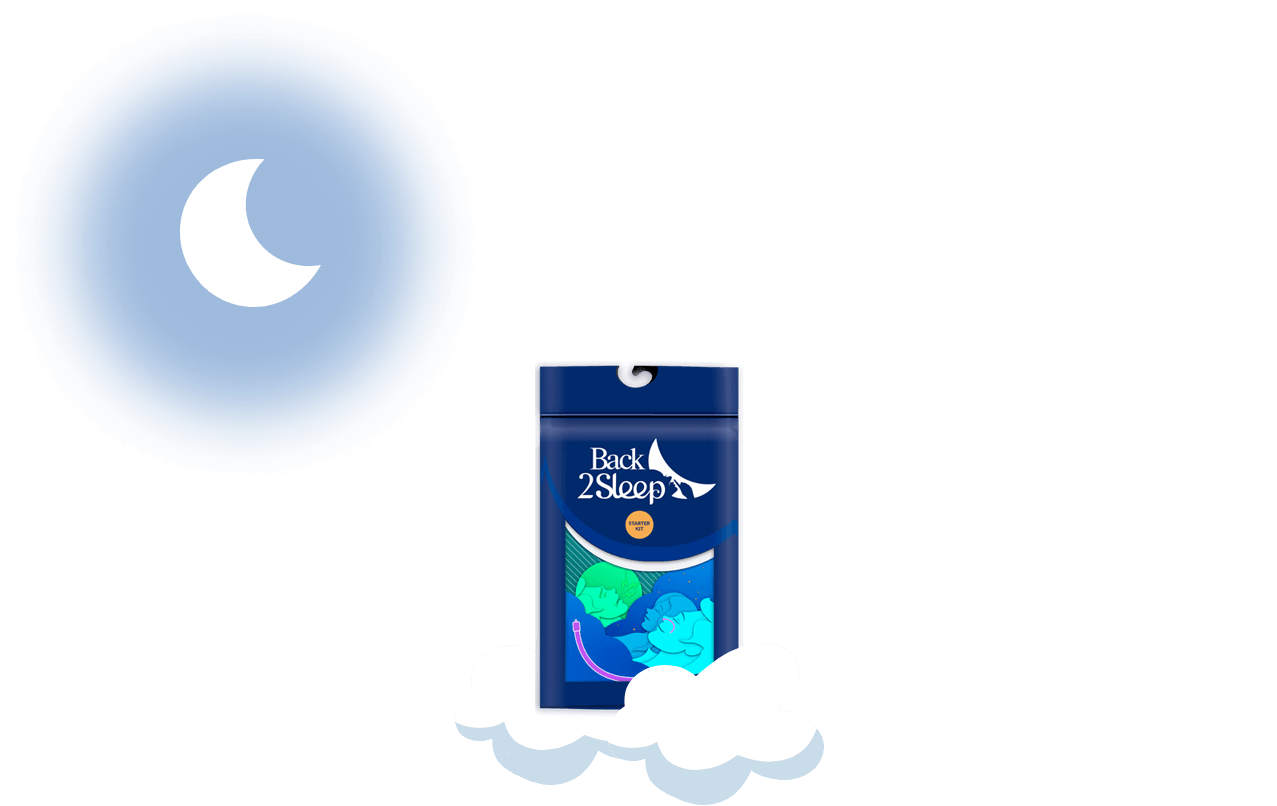
Clinical testing showed a reduction in respiratory event index (REI) from 22.4 to 15.7 (p<0.01) and an improvement in lowest SpO2 from 81.9% to 86.6% (p<0.01). The Starter Kit (four sizes for a 15-night trial) lets you find your ideal fit before committing.
Frequently Asked Questions About Sleep Apnea Self-Assessment
Can I diagnose sleep apnea myself at home?
No. Self-assessment checklists and screening questionnaires like STOP-Bang can help you identify whether you are at risk, but only a sleep study (polysomnography or a home sleep test ordered by a doctor) can provide an official diagnosis. A sleep study measures your actual AHI, oxygen saturation, and sleep stages, which no questionnaire can replicate.
What is the most accurate sleep apnea screening questionnaire?
The STOP-Bang questionnaire is widely considered the most accurate screening tool for obstructive sleep apnea. A meta-analysis across multiple studies found it has a combined sensitivity of 91.4% for all OSA severities, and 100% sensitivity for severe OSA (AHI above 30). However, its specificity is lower (around 28% for moderate-to-severe OSA), meaning some people flagged as high-risk may not actually have clinically significant apnea.
Can thin, fit people have sleep apnea?
Yes. While excess weight is the strongest modifiable risk factor, sleep apnea also occurs in people with normal BMI. Anatomical factors such as a narrow airway, large tongue, recessed jaw, or enlarged tonsils can cause airway obstruction regardless of body weight. Up to 20-40% of OSA patients are not obese.
Does snoring always mean sleep apnea?
No. Snoring is extremely common and can occur without sleep apnea. However, loud habitual snoring, especially when accompanied by witnessed breathing pauses, gasping, daytime sleepiness, or morning headaches, is a significant warning sign. If your snoring is loud enough to disturb others and occurs most nights, it is worth discussing with a doctor.
What is the difference between a home sleep test and an in-lab sleep study?
A home sleep apnea test (HSAT) uses a portable device that measures airflow, breathing effort, and blood oxygen while you sleep in your own bed. It is less expensive and more convenient but may underestimate OSA severity. An in-lab polysomnography (PSG) monitors many more parameters including brain waves, eye movements, and muscle activity. Your doctor will recommend the appropriate test based on your risk profile and symptoms.
Can sleep apnea go away on its own?
In most cases, no. OSA tends to worsen over time without treatment, particularly if associated risk factors like weight gain or aging continue. However, weight loss, quitting smoking, and treating nasal obstruction can significantly reduce severity. Some patients with positional or mild OSA see meaningful improvement with lifestyle changes, but ongoing monitoring is recommended.
How does the Back2Sleep nasal stent work for sleep apnea?
The Back2Sleep device is a soft silicone intranasal stent that sits inside one nostril and extends to the soft palate. It works by maintaining an open airway during sleep, preventing the tissue collapse that causes snoring and mild-to-moderate obstructive sleep apnea events. It is a CE-certified Class I medical device. Clinical testing showed a significant reduction in respiratory events and improvement in blood oxygen levels. It is not a replacement for CPAP in severe cases, and a healthcare provider should determine the appropriate treatment for your condition.