
CPAP Side Effects and Solutions How to Fix Common Problems Fast

CPAP Side Effects and Solutions: How to Fix Common Problems Fast
Struggling with mask discomfort, dry mouth, or skin irritation from your CPAP machine? Discover proven solutions backed by sleep medicine research and effective alternatives that help over 88% of users sleep better from night one—without the frustrating side effects.
If you're experiencing CPAP side effects like facial pressure sores, claustrophobia, nasal congestion, or persistent air leaks, you're not alone. According to Cleveland Clinic, CPAP (continuous positive airway pressure) machines are highly effective for treating sleep apnea, but many users struggle with tolerability issues. Research indicates that approximately 46-83% of sleep apnea patients show poor adherence to CPAP therapy, with many abandoning treatment within the first year due to discomfort and inconvenience.
Choose Your Size →The good news? Most continuous positive airway pressure problems have straightforward fixes based on sleep medicine research. According to Sleep Foundation, common CPAP side effects include dry mouth, nasal congestion, mask discomfort, claustrophobia, and aerophagia—and each has evidence-based solutions. When traditional fixes don't work, there are remarkably effective sleep apnea solutions that bypass these issues entirely, including intranasal stents with 88% user tolerability rates.

The Reality of CPAP Compliance: What Studies Reveal
Clinical studies consistently show that CPAP adherence rates plummet when side effects go unaddressed. Understanding your specific issues is the first step toward better sleep quality and improved treatment compliance.
9 Most Common CPAP Side Effects (And How to Fix Them)
From minor annoyances to therapy-ending frustrations, here's what causes each problem and exactly what to do about it based on sleep medicine research.
Mask Discomfort & Pressure Sores
Red marks, skin breakdown, and facial pain from ill-fitting masks. Solution: According to CPAP.com, try different mask styles (nasal pillows, full-face), use mask liners or cushions, loosen strap tension slightly, ensure daily cleaning, or consider mask-free alternatives if problems persist.
Dry Mouth & Nasal Passages
Waking with a parched throat or crusty nose is extremely common. Solution: Sleep Foundation recommends adding a heated humidifier, using saline nasal spray before bed, checking for mask leaks that cause mouth breathing, or switching to a chinstrap to keep your mouth closed during sleep.
Aerophagia (Air Swallowing)
Bloating, gas, and stomach discomfort from swallowing pressurized air during sleep. Solution: Lower CPAP pressure with your doctor's guidance, try APAP or BiPAP machines, sleep with head elevated 30-45 degrees, or explore low-pressure intranasal devices as alternatives.
Claustrophobia & Anxiety
Feeling trapped or panicked with a mask covering your face. Solution: Research shows more than half of CPAP users experience claustrophobic tendencies. Practice wearing the mask while awake for 15-minute sessions, try nasal pillows (minimal face coverage), use relaxation techniques, or switch to non-mask treatments.
Additional CPAP Challenges and Practical Solutions
Air Leaks & Mask Noise
Whistling sounds and reduced therapy effectiveness from poor mask seal. Refit your mask nightly before bed, clean cushions weekly with mild soap, replace worn parts every 3-6 months, or try a different mask type that better suits your facial structure and sleep position.
Nasal Congestion & Rhinitis
Stuffy nose, runny nose, or sinus pressure from air pressure and dryness. Use heated humidification, nasal corticosteroid sprays as prescribed, saline rinses before bed, or address underlying allergies with your doctor. Ensure humidity settings are adequate for your environment.
Machine Noise Disruption
Difficulty sleeping due to motor sounds (26-30 decibels) or air noise from leaks. Place machine below bed level to muffle sound, check for blockages in tubing, ensure filters are clean and replaced regularly, use white noise to mask sounds, or upgrade to quieter modern models.
Travel & Lifestyle Limitations
Bulky equipment, power requirements, and TSA screening hassles. Consider travel-sized CPAP units, portable battery packs for camping, or compact alternatives like intranasal sleep apnea devices that fit in your pocket and require no electricity.
Relationship & Intimacy Issues
Partners disturbed by equipment noise or air leaks, feeling disconnected due to mask barrier. Communicate openly about concerns, consider quieter machine options, address air leaks promptly, or explore discreet mask-free treatments that don't create physical barriers.
Morning Headaches & Pressure Issues
Waking with headaches from incorrect pressure settings or mask fit. Work with your sleep specialist to adjust pressure settings, ensure proper mask seal without overtightening, check for mouth breathing, and verify that your prescription matches your current needs after weight changes.
CPAP vs. Alternative Sleep Apnea Treatments: Complete Comparison
| Factor | Traditional CPAP | Intranasal Stent (Back2Sleep) | Oral Appliance |
|---|---|---|---|
| Setup Time | 5-10 minutes nightly setup | 10 seconds insertion | 1-2 minutes |
| Noise Level | 26-30 decibels motor noise | Silent operation | Silent |
| Travel Friendly | Requires power outlet, bulky | Fits in pocket, no electricity | Compact, no power needed |
| Skin Irritation Risk | High (mask contact points) | Minimal (medical silicone) | Low (no facial contact) |
| Dry Mouth Risk | High without heated humidifier | None (nasal breathing promoted) | Moderate (mouth closed) |
| Initial Comfort | 3-4 weeks adaptation typical | 3-5 days adaptation | 2-3 weeks adaptation |
| Monthly Cost | €30-50 (supplies, filters) | €34 (subscription) | €0 (after initial purchase) |
| Effectiveness Rate | 95% (when used correctly) | 88% user tolerability | 70-80% (position-dependent) |
Real Stories: From CPAP Struggles to Restful Sleep
Verified experiences from people who found relief after years of CPAP frustration and side effects.
What to Expect: The Adaptation Timeline
Whether sticking with CPAP or trying alternatives, understanding the adjustment period sets realistic expectations for success.
Initial Adjustment Phase
Some users experience mild discomfort or heightened awareness of the device—this is completely normal adaptation. Focus on proper positioning, generous lubricant application, and relaxation techniques. Clinical testing notes show most first-time users adapt within this window.
Comfort Improvement Period
Most users report significant comfort gains as sensory adaptation occurs. The body adjusts to the sensation, similar to wearing contact lenses—awareness fades naturally. Partners often notice reduced snoring already, even while users are still adjusting.
Finding Your Optimal Fit
With starter kits offering multiple sizes (S, M, L, XL), this period helps identify your optimal fit through systematic testing. Proper sizing dramatically improves both comfort and effectiveness—most users identify their perfect size within the first week.
Full Integration & Long-Term Benefits
Device use becomes automatic and part of your sleep routine. Users report improved morning energy, eliminated dry mouth and throat issues, better concentration, and consistent sleep quality scores. The 88% tolerability rate reflects successful long-term adaptation.
5 Steps to Solve Your CPAP Problems Today
Identify Your Main Issue
Is it mask discomfort, dryness, noise, pressure intolerance, or lifestyle limitations? Pinpointing the specific problem guides your solution path—some issues have quick fixes, others may require alternative approaches.
Try Simple Fixes First
Adjust mask fit and strap tension, add humidification or increase humidity settings, clean equipment daily with mild soap, replace worn parts, and ensure proper filter maintenance. Many issues resolve with proper maintenance and setup adjustments.
Consult Your Sleep Specialist
Pressure adjustments based on updated sleep studies, different mask types (nasal pillows vs. full-face), or switching to APAP/BiPAP machines may help significantly. Professional guidance ensures therapeutic effectiveness while addressing comfort concerns.
Explore Evidence-Based Alternatives
If CPAP remains problematic despite optimization, consider oral appliances, positional therapy devices, or intranasal stents for mild-to-moderate OSA. Clinical research supports multiple treatment pathways beyond CPAP.
Monitor & Adjust Continuously
Track your sleep quality, blood oxygen levels, and daytime energy using apps like SnoreLab or wearable devices. Regular monitoring helps measure improvement over time and guides further adjustments to optimize treatment outcomes.
The CPAP-Free Alternative: How Intranasal Stents Work
For those with mild-to-moderate obstructive sleep apnea or chronic snoring who struggle with CPAP side effects, intranasal stents offer a revolutionary approach backed by clinical research. Unlike bulky CPAP machines requiring electricity and complex setup, these CE-certified medical devices work by gently maintaining your airway patency from within—no masks, no electricity, no noise, and significantly fewer side effects.
Medical-Grade Silicone
Dermatologically tested, soft material that adapts to your unique nasal anatomy. Seven years of development refined the formula to eliminate irritation, odor concerns, and discomfort issues that plagued earlier prototypes.
10-Second Application
No complicated straps, headgear adjustments, or lengthy setup rituals required. Simply insert with water-based lubricant and sleep comfortably. Morning removal is just as quick—entire routine takes seconds, not minutes.
Immediate Results
Over 88% of users successfully tolerate and adapt to nasal stents with noticeable improvement from the first night. Partners often notice the snoring difference before the user does—no more complaints or separate bedrooms.
Ultimate Portability
Fits in your pocket, no batteries or power outlets required. Perfect for business travel, camping, flights, and anywhere CPAP is impractical or embarrassing. TSA-friendly with no special screening needed.
Frequently Asked Questions About CPAP Alternatives
Beyond Devices: Lifestyle Changes That Reduce CPAP Dependency
While devices address the immediate symptom of airway obstruction, underlying factors often contribute to sleep apnea severity and CPAP side effects. Combining treatment with strategic lifestyle modifications can reduce pressure requirements, minimize side effects, or even eliminate device dependency for some users according to sleep medicine research.
Weight Management
A 10% weight reduction can decrease AHI by up to 50% in overweight individuals according to clinical studies. Six-month structured programs combining diet and exercise show lasting improvements in sleep apnea severity and may reduce CPAP pressure requirements or enable transition to alternative therapies.
Sleep Position Training
Side sleeping reduces gravity-induced airway collapse compared to back sleeping (supine position). Positional therapy alone can decrease respiratory events by 20-40% for position-dependent apnea. Tennis ball techniques or commercial positional devices help maintain optimal position throughout the night.
Alcohol & Sedative Reduction
Alcohol relaxes throat muscles and worsens airway obstruction during sleep. Avoiding alcohol 3-4 hours before bed significantly improves sleep quality and reduces both snoring and apnea episodes. Sleep tracking data confirms significant impact on respiratory parameters and CPAP effectiveness.
Humidity Control & Nasal Health
Room dryness worsens nasal congestion, increases CPAP dry mouth, and contributes to breathing difficulties. Maintaining 40-60% bedroom humidity reduces nasal irritation. Using saline rinses and addressing allergies can make any treatment more effective and reduce CPAP side effects significantly.
Ready to Sleep Better Without CPAP Side Effects?
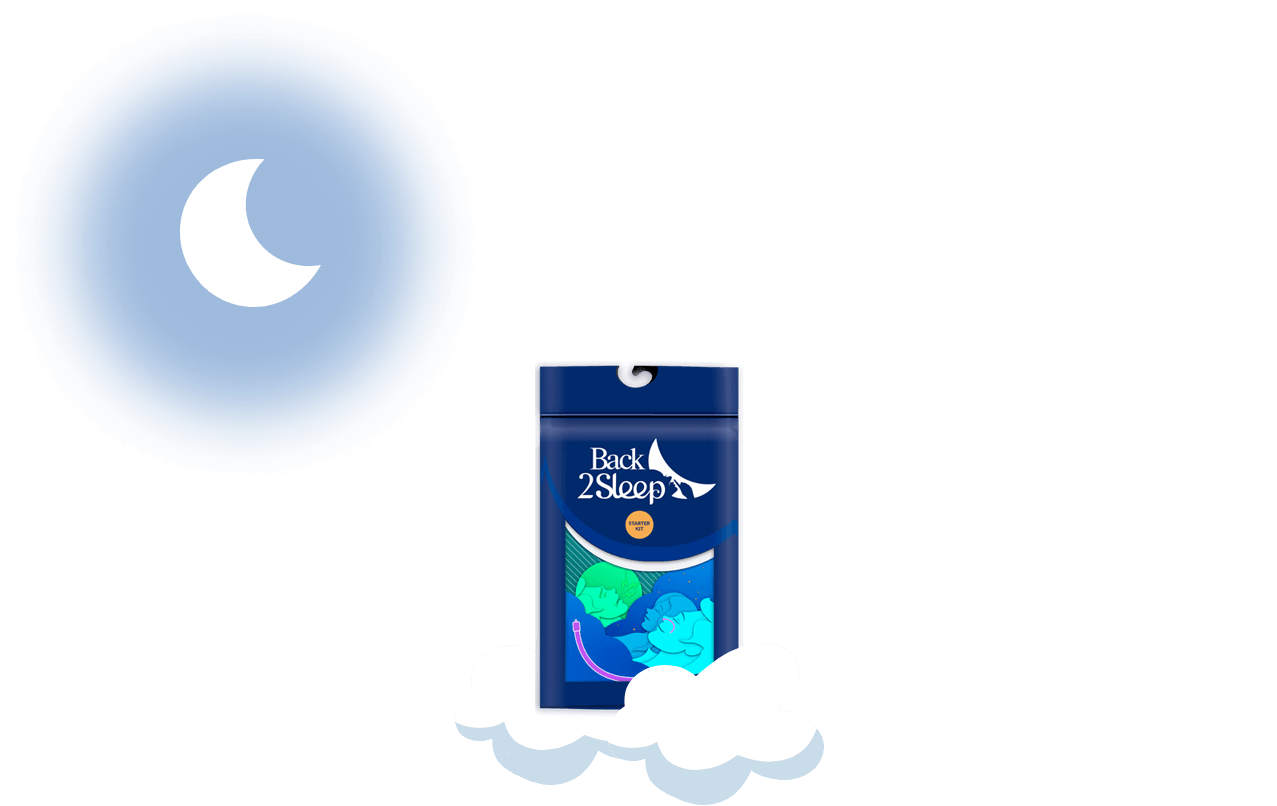
Join over 1 million users who've discovered there's a better way to treat mild-to-moderate sleep apnea. Start your 15-night trial today with our complete starter kit (88% tolerability rate).
Get Your Starter Kit – €44.90Additional Resources & Support
Whether you choose to optimize your CPAP therapy or explore alternatives, we're here to help with evidence-based guidance. Browse our sleep health blog for the latest research, practical tips, and success stories from verified users. Have specific questions about your situation? Our team responds personally to every inquiry—reach out anytime.
Remember: effective sleep apnea treatment shouldn't mean suffering through persistent side effects, skin irritation, or lifestyle limitations. With proper guidance, evidence-based approaches, and the right treatment method for your specific needs, restful and restorative sleep is achievable—often faster and more comfortably than you'd expect.