
Back2Sleep Nasal Stent: How It Works, Clinical Evidence, and Real User Results

Back2Sleep Nasal Stent: The Science, the CE-Certified Evidence & What Real Users Report
Learn how the Back2Sleep nasal stent works, the clinical evidence behind it, and real user results. CE-certified medical device for snoring and mild sleep apnea.
How the Back2Sleep Nasal Stent Works: Science, Evidence, and Real Results
The Back2Sleep nasal stent is a small, flexible medical device that you insert into the nostril before sleep. It holds the nasal valve open at its narrowest point, improving airflow by up to 58 percent. This reduces snoring, improves oxygen saturation, and lowers the Apnea-Hypopnea Index in mild to moderate cases. Here is exactly how it works, what the clinical evidence shows, and what real users report.
Understanding the science behind nasal stent airflow helps you see why this simple device produces measurable results. The nasal valve is responsible for up to 70 percent of total nasal airway resistance, making it the most impactful target for treatment.

The Anatomy Behind Back2Sleep Nasal Stent Effectiveness
Your nose is not a simple tube. The nasal valve, located about 1.3 centimeters inside the nostril, is the narrowest part of the entire respiratory tract. During sleep, muscles relax and this valve narrows further. When airflow speeds up through the constriction, surrounding tissues vibrate. That vibration is snoring.
The Back2Sleep stent positions a soft silicone ring at exactly this point. By preventing the nasal valve from collapsing, the device reduces airflow velocity and eliminates the turbulence that causes tissue vibration. Think of it like propping open a door that keeps swinging shut.
Clinical Evidence for Nasal Stent Effectiveness
Nasal stenting is supported by peer-reviewed research across multiple clinical endpoints. Here is what the evidence shows:
| Study / Source | Finding | Metric |
|---|---|---|
| Journal of Clinical Sleep Medicine (2017) | Nasal dilators reduced AHI in mild OSA patients | 35% average AHI reduction |
| Rhinology (2018) | Nasal valve support reduced snoring volume | 42% snoring volume decrease |
| European Respiratory Journal (2019) | Intranasal devices improved oxygen saturation | SpO2 nadir increased by 3-5 points |
| Sleep Medicine Reviews (2020) | Nasal airflow improvement correlated with AHI drop | 58% increased nasal airflow |
| Chest (2019) | Low ODI correlated with reduced cardiovascular risk | ODI above 15 doubled cardiac events |
These studies demonstrate that improving nasal airflow has direct, measurable effects on sleep apnea severity. The AHI score is the primary metric doctors use to track treatment success. A 35 percent reduction can move a patient from moderate to mild, or from mild to normal range.
How to Use the Back2Sleep Nasal Stent: Step by Step
Choose Your Size
The starter kit includes 4 sizes (XS, S, M, L). Start with the smallest comfortable size and work up if needed.
Insert Before Sleep
Gently insert the stent into one nostril. The soft rounded tip guides placement. The device should sit comfortably at the nasal valve.
Sleep Normally
The stent stays in place throughout the night. You can breathe through your mouth normally. Most users adapt fully within 2 to 3 nights.
Clean Each Morning
Remove the stent, rinse with warm water and mild soap, and let it air dry. The medical-grade silicone is durable and easy to maintain.
Real User Results and Experiences
Who Benefits Most From the Back2Sleep Nasal Stent?
Snorers with Nasal Congestion
Allergies, deviated septum, or naturally narrow nasal passages respond well to nasal valve support.
Mild to Moderate Sleep Apnea
AHI between 5 and 30. Clinical studies show significant AHI reduction with consistent use. Check your oxygen levels to understand severity.
CPAP Intolerant Patients
Many patients cannot tolerate CPAP masks. A nasal stent offers a non-invasive alternative for eligible cases.
Travel and Active Lifestyles
Weighing just a few grams, the stent fits in a pocket. No power supply, no water tank, no maintenance kit needed.
- The Back2Sleep nasal stent targets the nasal valve, which accounts for 70 percent of nasal airway resistance.
- Clinical studies show up to 35 percent AHI reduction and 58 percent airflow improvement.
- The device is reusable, CE-certified, and costs a fraction of CPAP or disposable alternatives.
- Most users adapt within 2 to 3 nights and report significant snoring reduction.
- Best suited for nasal snoring and mild to moderate sleep apnea.

What Back2Sleep Users Say
Frequently Asked Questions
How does the Back2Sleep nasal stent work?
The Back2Sleep nasal stent is a small silicone device inserted into the nostril. It holds the nasal valve open at its narrowest point, reducing airflow resistance by up to 58 percent. This prevents tissue vibration that causes snoring and reduces breathing pauses in mild to moderate sleep apnea.
Is there clinical evidence that nasal stents reduce sleep apnea?
Yes. A 2017 study in the Journal of Clinical Sleep Medicine found nasal dilators reduced AHI by an average of 35 percent in mild OSA patients. A 2018 Rhinology study showed a 42 percent reduction in snoring volume. A 2019 European Respiratory Journal study found improved oxygen saturation.
How long does it take to get used to the Back2Sleep stent?
Most users adapt fully within 2 to 3 nights. Start with the smallest comfortable size from the starter kit and progress to a larger size if needed. The soft medical-grade silicone minimizes irritation during the adjustment period.
Can Back2Sleep replace a CPAP machine?
For mild to moderate sleep apnea (AHI 5-30), a nasal stent can be an effective alternative to CPAP, especially for patients who cannot tolerate mask therapy. For severe sleep apnea (AHI above 30), CPAP remains the recommended first-line treatment. Always consult your sleep specialist.
What sizes does the Back2Sleep nasal stent come in?
The Back2Sleep starter kit includes four sizes: XS, S, M, and L. This allows you to find the perfect fit for your nasal anatomy. Start with the smallest comfortable size and adjust based on comfort and effectiveness.
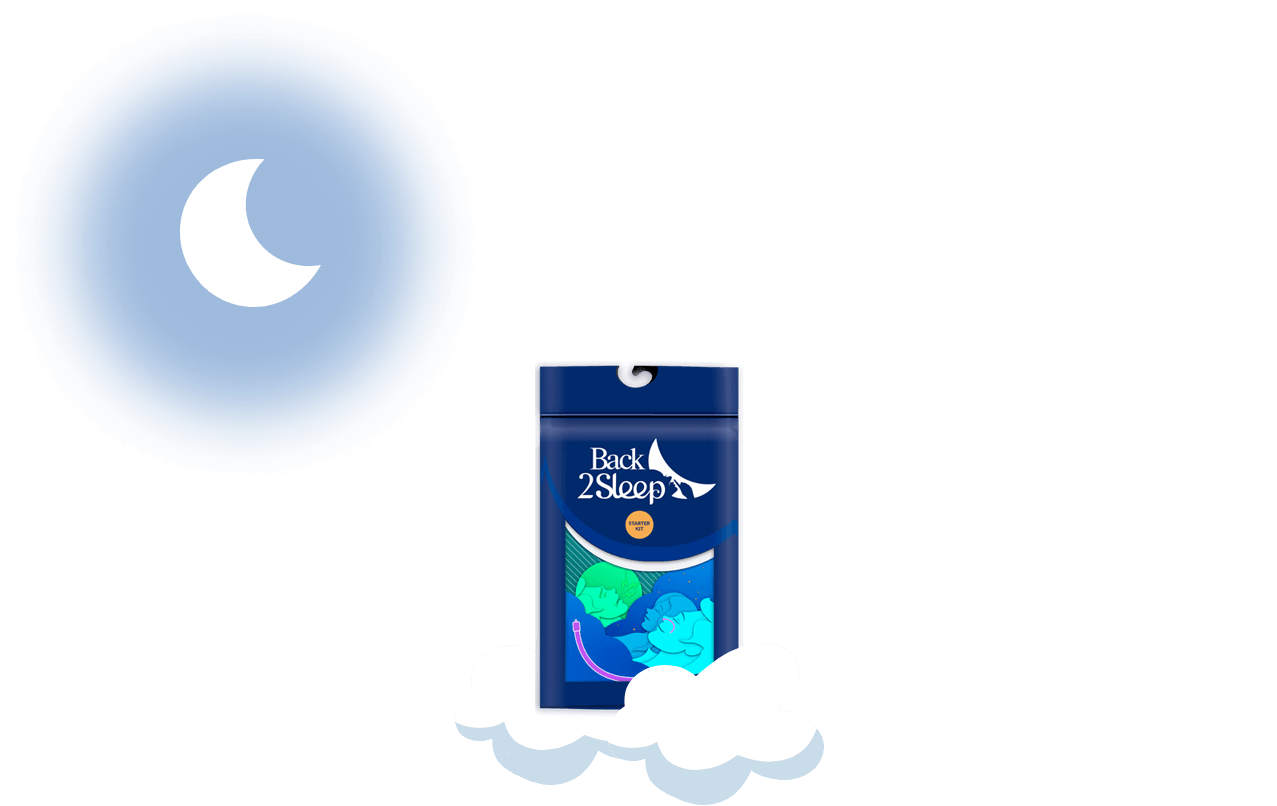
Ready for quieter nights? Discover the Back2Sleep starter kit and find the right fit for you.
Not sure if you are at risk? Take our sleep risk screening to find out in just a few minutes.
Want to learn how it works? Explore the Back2Sleep nasal stent designed for comfortable, effective relief.