
Best Mandibular Advancement Device Brands 2026: 7 Compared for European Buyers

The best mandibular advancement device 2026: 7 CE-relevant brands ranked for the EU
A genuinely European buyer's guide to oral anti-snoring appliances, with euro pricing, CE and MDR context, and an honest path for the many snorers a jaw device leaves stranded.
What is the best mandibular advancement device 2026 for European buyers?
The best mandibular advancement device 2026 for a European buyer is one that is CE-marked under EU MDR, ships within the Eurozone, prices in euros including VAT, and respects your EU return and warranty rights. A mandibular advancement device, often shortened to MAD, is a custom or boil-and-bite mouthpiece. It gently holds your lower jaw forward during sleep. That forward position widens the airway behind the tongue and reduces snoring vibration.
Most "best MAD" lists online are written for readers outside Europe. They rank brands on non-EU prices and warranties, while ignoring whether the device is even sold here. This guide fixes that gap. It also stays honest about a hard truth: oral appliances simply do not fit everyone, which is why we compare them with a non-oral path explained in our nasal stent versus mandibular advancement device guide. For wider context across categories, our anti-snoring device reviews compare oral, nasal, and positional options side by side.
- A MAD pulls the lower jaw forward to open the airway and cut snoring.
- For Europe, prioritise CE marking, EU shipping, euro pricing, and EU return rights.
- Around 936 million adults aged 30-69 have some form of obstructive sleep apnoea (Benjafield et al., Lancet Respiratory Medicine, 2019).

How mandibular advancement devices work and what the evidence shows
A mandibular advancement device works mechanically, not electronically. By advancing the mandible (your lower jawbone) a few millimetres, it pulls the tongue and soft tissues forward. This stops them from collapsing into the throat and blocking airflow. The result is quieter breathing and fewer airway closures, known clinically as apnoeas and hypopnoeas.
The evidence base is genuinely European in places. The European Respiratory Society Task Force on non-CPAP therapies concluded that custom-made MADs reduce the apnoea-hypopnoea index (AHI, the number of breathing pauses per hour) and daytime sleepiness versus placebo, with outcomes broadly similar to CPAP (Randerath et al., European Respiratory Journal, 2011). A 2023 systematic review and meta-analysis found MADs cut AHI by about 15.75 events per hour and improved oxygen levels, staying effective for 2.5 to 4.5 years (PMC/NCBI, 2023).
French research adds long-term data. In the ORCADES 5-year follow-up using the custom Narval CC device made in Saint-Priest, France, overall treatment success reached 52%, rising to 63% in severe OSA among patients who had refused or could not tolerate CPAP (Vecchierini et al., Journal of Clinical Sleep Medicine, 2021).
- MADs reduce AHI and daytime sleepiness, with effects broadly comparable to CPAP in mild-to-moderate cases (ERS Task Force, 2011).
- Long-term French ORCADES data show 52% overall success at five years (Vecchierini et al., JCSM, 2021).
- Custom devices outperform basic boil-and-bite versions but cost far more.
The 7 best mandibular advancement device brands 2026 compared
Below are seven MAD brands frequently ranked in 2026 buyer guides, reframed for European reality. We flag the European catch most non-EU lists hide: many devices are not always CE-marked or easily shipped to the EU without import hassle, VAT surprises, or void warranties. Prices are indicative euro equivalents including typical VAT; always confirm CE status and EU availability before buying.
| Brand | Type | Adjustable | Indicative EU price | European catch to check |
|---|---|---|---|---|
| SnoreRx Plus | MAD, boil-and-bite | Yes, 1mm steps | ~€95-130 | Confirm CE status and EU import duties |
| ZQuiet | MAD, ready-to-wear | Two preset sizes | ~€90-110 | Verify EU shipping and EU returns |
| VitalSleep | MAD, boil-and-bite | Yes, micro-adjust | ~€80-100 | CE status often unclear; check distributor |
| Somnofit-S | MAD, boil-and-bite | Yes, traction strap | ~€90-120 | Swiss/EU origin; often CE-marked, check distributor |
| SmartGuard RX | MAD, boil-and-bite | Limited | ~€45-70 | Budget pick; verify EU availability |
| Snorple | MAD, boil-and-bite | Yes | ~€90-180 | Brand-owned claims; confirm CE and EU shipping |
| Narval CC (custom) | Custom MAD, dentist-fitted | Yes, by dentist | ~€400-700+ | EU-made (France); needs dental appointment, not OTC |
Notice the spread. Boil-and-bite devices are the affordable do-it-yourself option, where you soften the mouthpiece in hot water and bite to mould it. Custom devices like the French Narval CC are dentist-fitted, far more expensive, and not available without a clinical visit. For a broader honest ranking across device categories, see our 7 best anti-snoring devices in 2026 comparison.
- Many popular MADs are designed and warrantied for non-EU markets first.
- Somnofit-S and the custom Narval CC have clearer European roots and CE pathways.
- Always verify CE marking, EU shipping, euro pricing with VAT, and return rights before purchase.
What European buyers must check: CE marking, MDR, and your rights
In Europe, the relevant signal is the CE mark under the EU Medical Device Regulation (MDR). CE marking shows a device meets EU safety and performance requirements. A mouthpiece cleared only for a non-EU market is not automatically legal or supported for EU sale, and importing one privately can mean customs duties, VAT, no local warranty, and no consumer-protection recourse.
European buyers also hold strong rights that non-EU guides never mention. Under EU distance-selling rules, you typically get a 14-day withdrawal right on online purchases, plus a statutory guarantee of conformity. Your data is protected under GDPR. These protections only apply when you buy from a seller operating within the EU, which is why "ships within Europe" matters as much as the device itself.
| Checkpoint | Non-EU list says | What EU buyers actually need |
|---|---|---|
| Regulatory mark | Cleared for a non-EU market | CE-marked under EU MDR |
| Price | Foreign currency, pre-tax | EUR including VAT |
| Shipping | Domestic to another region | Ships within EU, no import duties |
| Data privacy | Rarely addressed | GDPR-compliant seller |
- For the EU, CE marking under MDR is the regulatory signal that matters.
- Buying within the EU preserves your 14-day withdrawal right and statutory guarantee.
- Confirm euro pricing including VAT and EU-based shipping before you pay.
Who should not use a mandibular advancement device
This is the section most comparison pages skip. A meaningful share of snorers cannot safely or comfortably wear a MAD, because the device relies on healthy teeth, a stable bite, and a flexible jaw. If those are missing, the appliance can cause pain or simply will not hold.
Relative contraindications include loose teeth, significant dental decay (caries) or gum disease (periodontitis), severe teeth grinding (bruxism), temporomandibular joint (TMJ) pain or clicking, and significant nasal obstruction (PMC/NCBI systematic review, 2022). People with dentures or very few natural teeth often cannot anchor a MAD at all.
1Jaw and joint problems
TMJ pain, jaw clicking, or stiffness can worsen when a device holds the mandible forward all night. Many users abandon MADs for this reason.
2Dental fragility
Loose teeth, advanced caries, periodontitis, dentures, or crowns and bridges may not tolerate the gripping force a MAD applies.
3Severe bruxism
Heavy nightly grinding can crack a mouthpiece quickly and aggravate jaw muscles, making an oral appliance impractical.
4Nasal-origin snoring
If your obstruction starts in the nose, advancing the jaw may do little. A device working at the nasal airway can suit better.
- Loose teeth, severe bruxism, TMJ pain, dentures, and nasal obstruction are common reasons MADs fail or are unsafe (PMC/NCBI, 2022).
- Side effects include jaw soreness, tooth movement, excess saliva, and bite changes over time.
- If a MAD does not fit your mouth or your snoring type, a non-oral alternative may be the answer.
The EU alternative when a MAD will not work: a nasal stent
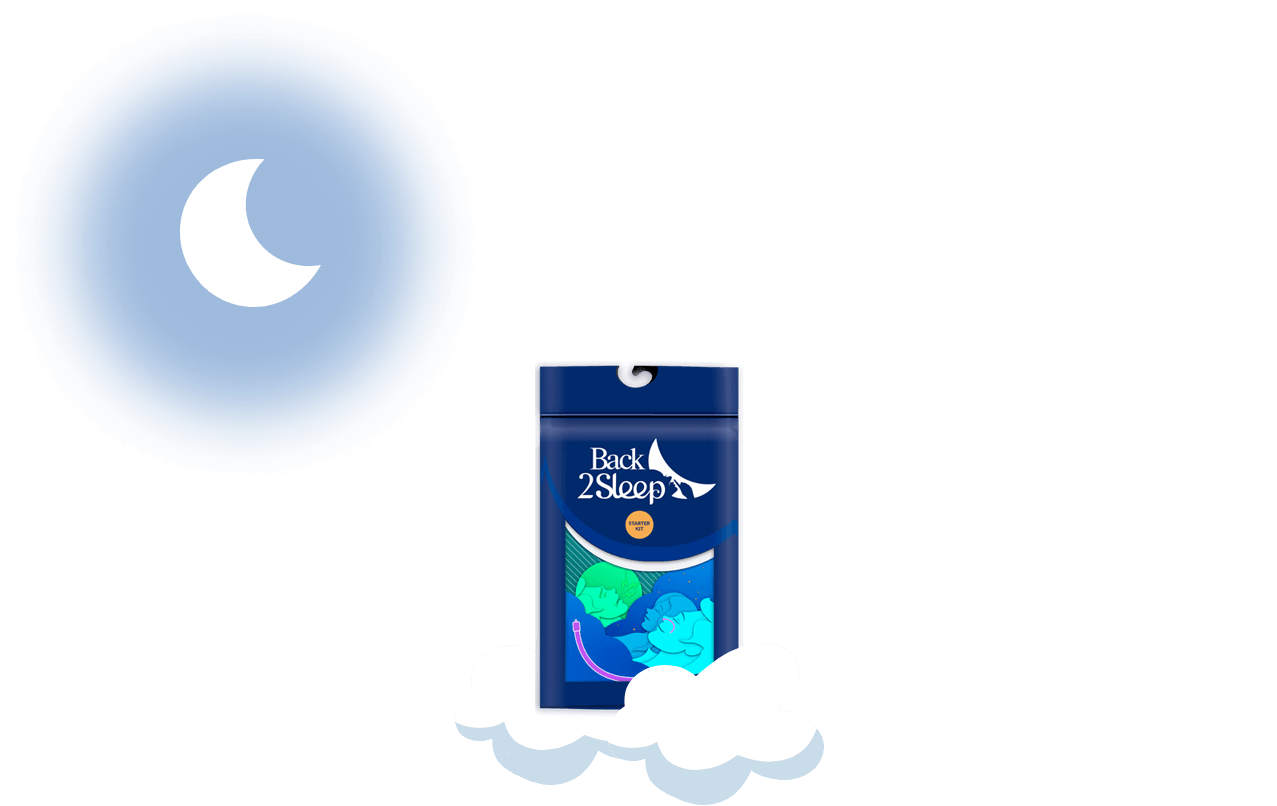
If a jaw device is contraindicated or simply uncomfortable for you, there is a European, CE-certified path that MAD-only lists never mention: an intranasal stent. Back2Sleep is a French, CE-certified Class I soft silicone nasal stent for snoring and mild-to-moderate OSA. Instead of advancing the mandible, it sits inside the nasal passage and gently keeps the airway open at the nasopharyngeal level, where many snorers actually obstruct.
It is the natural option for the readers a MAD comparison strands: people with TMJ pain, dentures, loose teeth, severe bruxism, or jaw and bite issues, plus anyone whose snoring is nasal in origin or who simply dislikes a jaw-forward feel. It uses no electricity, no noise, and no tubing, and the starter kit includes four sizes so you can find a comfortable fit. It is sold direct to consumers in Europe with no prescription.
Be clear on scope. Like MADs, a nasal stent is intended for snoring and mild-to-moderate OSA only. It is not a replacement for CPAP in severe sleep apnoea. This is the same mild-to-moderate boundary the ERS guideline and the ORCADES data draw for oral appliances, so the honest comparison is fair on both sides.
| Feature | Mandibular advancement device | Back2Sleep nasal stent |
|---|---|---|
| Where it acts | Advances the lower jaw | Opens the nasal airway |
| Needs healthy teeth/jaw | Yes | No |
| Suits TMJ/bruxism/dentures | Often no | Yes |
| Prescription | Sometimes; custom needs a dentist | No |
| Regulatory status | Varies; check CE | CE-certified Class I, EU-made |
| Indicated severity | Snoring, mild-to-moderate OSA | Snoring, mild-to-moderate OSA |
- A CE-certified nasal stent works at the nasal airway, not the jaw, so it suits TMJ, bruxism, denture, and loose-teeth users a MAD cannot.
- It is EU-made, no-prescription, and ships within Europe.
- It treats snoring and mild-to-moderate OSA only and does not replace CPAP for severe cases.

What Back2Sleep Users Say
Frequently Asked Questions
Do mandibular advancement devices really work for snoring and sleep apnea?
Yes, for the right users. The European Respiratory Society Task Force found custom MADs reduce the apnoea-hypopnoea index and daytime sleepiness versus placebo, with outcomes broadly similar to CPAP (Randerath et al., 2011). They work best for snoring and mild-to-moderate obstructive sleep apnoea, not severe disease.
How much does a mandibular advancement device cost in Europe?
Boil-and-bite MADs typically cost around 45 to 130 euros including VAT, depending on brand and adjustability. Custom dentist-fitted devices such as the French Narval CC range from roughly 400 to 700 euros or more, plus dental appointment fees. Always confirm euro pricing and any import duties before buying.
Who should not use a mandibular advancement device?
People with loose teeth, advanced dental decay or gum disease, severe bruxism, temporomandibular joint pain, dentures, or significant nasal obstruction should avoid MADs (PMC/NCBI, 2022). For these users a non-oral option, such as a CE-certified nasal stent, may be safer and more comfortable.
Can you buy a CE-marked anti-snoring device online in the EU?
Yes. Several anti-snoring devices are CE-marked under EU MDR and sold directly online within Europe. Buying from an EU-based seller preserves your 14-day withdrawal right, a statutory guarantee of conformity, and GDPR data protection, which private imports from outside Europe usually do not offer.
Is a mandibular advancement device as effective as CPAP?
For mild-to-moderate cases, symptom and cardiovascular outcomes are broadly similar, though CPAP usually reduces the AHI more (ERS Task Force, 2011). Because 30-50% of patients struggle with CPAP (Weaver & Grunstein, 2008), many Europeans choose MADs or nasal devices as practical alternatives.
What are the side effects of a mandibular advancement device?
Common side effects include jaw and muscle soreness, excess saliva, dry mouth, and temporary bite changes. Over months to years, some users experience small tooth movements (PMC/NCBI, 2022). Regular dental review helps, but persistent TMJ pain is a signal to consider a non-oral alternative.
Do you need a prescription or a dentist to get a MAD?
It depends on the type. Over-the-counter boil-and-bite MADs need no prescription and can be bought online in the EU. Custom devices like the Narval CC require a dentist to take impressions and fit them. CE-certified nasal stents are also available without a prescription.
Ready for quieter nights? Discover the Back2Sleep starter kit and find the right fit for you.
Not sure if you are at risk? Take our sleep risk screening to find out in just a few minutes.
Want to learn how it works? Explore the Back2Sleep nasal stent designed for comfortable, effective relief.