
Do Anti-Snoring Chin Straps Actually Work? Evidence vs Marketing in 2026

Do Chin Straps Work for Snoring? A 2026 Evidence Review
We weighed the peer-reviewed science against the marketing claims, so you can see exactly when a chin strap helps and when it quietly makes things worse.
Do Chin Straps Work for Snoring? The Short Answer
Do chin straps work for snoring? For most people, the honest answer is no. A chin strap only holds your jaw and mouth closed during sleep. It does nothing about the vibration and partial collapse that happen higher up inside your nose and throat, which is where most snoring noise actually starts.
A chin strap is an elastic band that loops under your chin and over the top of your head. The idea is simple: keep the mouth shut, and the snoring stops. In reality, the evidence is weak, and in some sleepers a strap can even make snoring louder. If you want to match a device to your specific snoring pattern, our guide on how to choose the right anti-snoring device for your snoring type is a useful next step.
This article is a European evidence-vs-marketing reality check. Most online reviews are written for a United States audience and stop at "straps mostly do not work, try nasal strips." We go further: we explain why straps fail anatomically, who the rare beneficiaries are, and what regulated alternatives exist for snorers and people with mild-to-moderate sleep apnea.
- A chin strap only closes the mouth; it does not open the airway.
- Peer-reviewed data show no benefit for sleep apnea and, in some cases, worse snoring.
- Straps may help a narrow group of pure mouth-snorers, but not nose-snorers.

How Chin Straps Are Supposed to Work
Chin straps were originally a CPAP accessory, not a stand-alone anti-snoring product. CPAP (continuous positive airway pressure) is the standard machine therapy for sleep apnea. When patients used a nasal CPAP mask, air leaked out of their open mouth. A chin strap was added to keep the mouth shut so the pressure stayed effective.
Marketers later repackaged the same band as a primary cure for snoring. The pitch is intuitive. If you breathe through your mouth and snore, closing the mouth should redirect air through the nose and silence the noise. For a small group of people, that logic holds. For most, it does not.
Why the Logic Breaks Down
Snoring noise comes from soft tissue vibrating as air squeezes through a narrowed airway. The usual vibration points are the soft palate, the uvula, the base of the tongue, and the walls of the throat. A strap does not touch any of these. It simply pins the lower jaw upward.
In fact, pushing the jaw up and back can crowd the tongue further into the throat. That narrows the airway behind the tongue, the opposite of what you want. This is the mechanism researchers point to when they explain how a strap can paradoxically increase snoring.
What the Clinical Evidence Actually Shows
The clinical evidence on chin straps is sparse and largely negative. The most cited study, published in the Journal of Clinical Sleep Medicine by the American Academy of Sleep Medicine, tested a chin strap in 26 patients with obstructive sleep apnea and found no improvement in any measure of sleep-disordered breathing or snoring (Bhat et al., 2014). The authors concluded a chin strap alone should not be offered as a treatment for OSA.
The same body of polysomnography research delivered a more troubling finding. Snoring time actually rose when the strap was worn, climbing from roughly 7% to about 24% of total sleep time (Journal of Clinical Sleep Medicine data, 2014). Polysomnography is the overnight sleep study that records breathing, oxygen, and snoring. In plain terms: for some sleepers, the strap tripled the time they spent snoring.
Sleep surgeons echo this reading of the data. Specialists note that the real priority is opening the nasal airway, and that a chin strap has a defensible role only when combined with nasal treatment, not as a solo fix. No large, high-quality trial has ever shown a chin strap to reliably stop primary snoring.
- The strongest study (JCSM, 2014) found zero benefit for OSA patients.
- Snoring time increased rather than decreased in objective testing.
- No robust trial supports chin straps as a stand-alone snoring cure.
Mouth Snorers vs Nose Snorers: Who a Strap Can and Cannot Help
Whether a chin strap helps depends entirely on where your snoring comes from. There are two broad anatomical types, and a strap only addresses one of them, and even then only partly.
Mouth Snorers
Mouth snorers breathe and vibrate primarily through an open mouth. If you wake with a dry mouth and your partner says you sleep with your jaw dropped, you may fit this group. For a pure mouth-snorer with a clear nose, closing the mouth can reduce the noise. This is the only scenario where a strap has any plausible benefit.
Nose Snorers
Nose snorers vibrate higher in the nasal and nasopharyngeal airway, often because of congestion, a deviated septum, or narrow nasal passages. A chin strap does nothing for them. Worse, forcing the mouth shut when the nose is already blocked can disturb sleep and increase effort. UK reviewers warn that a deviated septum or nasal obstruction makes a strap unsuitable.
| Snorer Type | Where the Noise Starts | Will a Chin Strap Help? | Better-Suited Approach |
|---|---|---|---|
| Pure mouth snorer, clear nose | Open mouth, soft palate | Possibly, modest benefit | Trial strap; address jaw posture |
| Nose snorer / nasal congestion | Nasal and upper-throat airway | No | Nasal dilator or intranasal stent |
| Deviated septum / obstruction | Blocked nasal passage | No, may worsen | ENT assessment |
| Suspected sleep apnea | Repeated airway collapse | No | Sleep study, then targeted therapy |
This split is the core reason chin straps underperform their marketing. Most chronic snorers have at least some nasal component, so the device misses the actual vibration point.
The European Snoring and Sleep Apnea Burden
Snoring and sleep apnea are mass-scale health issues across Europe, which is why low-quality fixes spread so fast. An estimated 175 million people in Europe have obstructive sleep apnea, of whom about 90 million have moderate-to-severe disease with at least 15 breathing events per hour (Benjafield et al., The Lancet Respiratory Medicine, 2019).
Snoring is even more common. Chronic snoring affects roughly 40% of men and 20% of women in the general adult population (European Respiratory Society epidemiology literature, 2016). It is the most common sleep complaint partners report, and the single most frequent early sign of apnea.
Snoring is the earliest and most common symptom of OSA, present in roughly 70% to 95% of patients, though most snorers do not have clinically significant apnea (meta-regression analysis, PMC/NCBI, 2022). Across general-population studies, OSA at five or more events per hour ranges from about 9% to 38% of adults, with higher rates in men (Senaratna et al., Sleep Medicine Reviews, 2017).
- Around 175 million Europeans live with OSA; snoring is far more widespread still.
- Most snorers are not apneic, but snoring is the top early warning sign.
- The huge market explains why unproven gadgets are heavily advertised.
Regulated Devices vs Unregulated Straps: The EU View
In Europe, medical devices are governed by the EU Medical Device Regulation (MDR) and carry a CE mark when they meet safety and performance standards. Many chin straps are sold as generic textile accessories with no medical-device certification at all. That distinction matters when you are buying something to wear in your airway every night.
Better-evidenced alternatives target the actual obstruction. Nasal dilator strips, which open the nostrils from outside, have more supportive data than chin straps for nasal-origin snoring. A regulated intranasal device goes a step further by holding the airway open from inside.
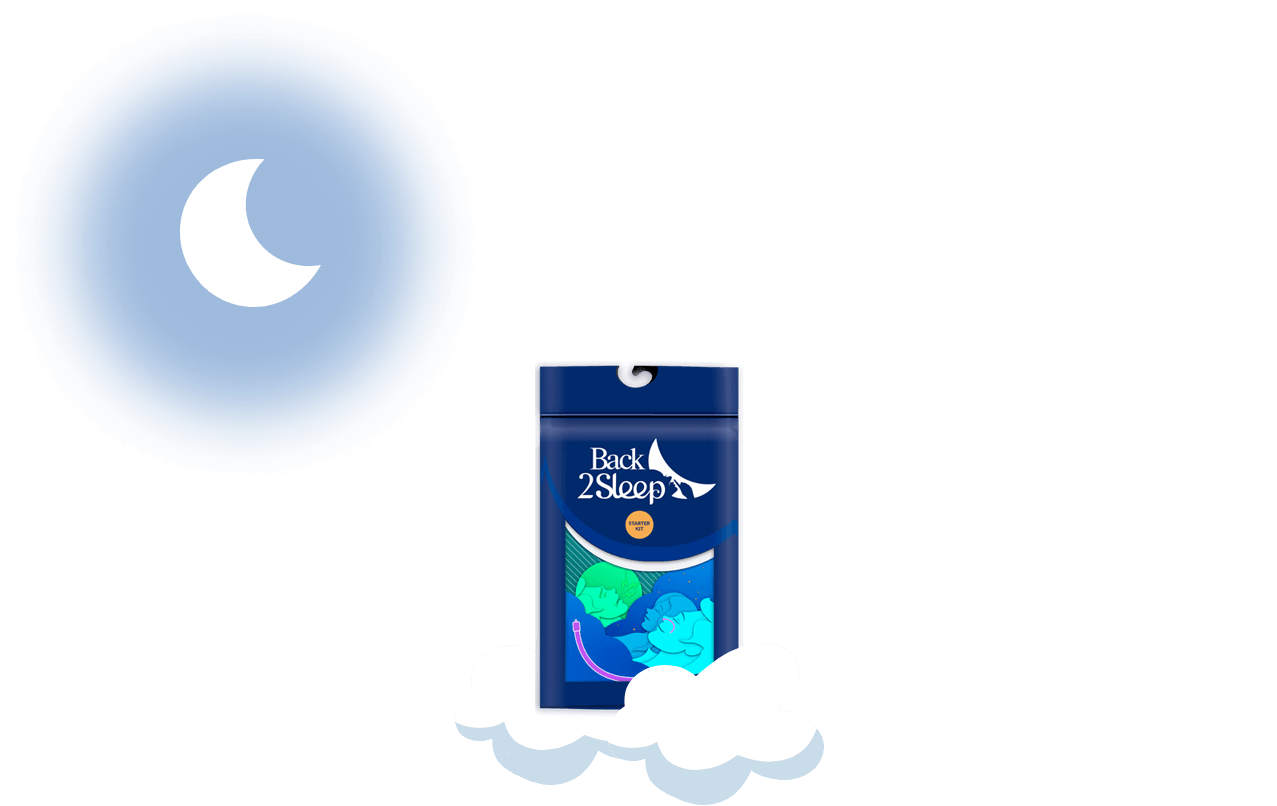
The Back2Sleep nasal stent is a CE-certified Class I medical device. It is a soft silicone intranasal stent that physically keeps the nasal and upper-pharyngeal airway open during sleep, with no electricity, noise, or tubing. It targets the vibration and collapse point a chin strap completely ignores, which makes it a logical option for nasal-origin snoring and mild-to-moderate OSA. If budget is your main concern, compare formats first in our overview of cheap anti-snoring devices.
| Feature | Anti-Snoring Chin Strap | Back2Sleep Nasal Stent |
|---|---|---|
| What it acts on | Jaw and mouth closure | Nasal / upper-pharyngeal airway |
| Regulatory status | Often uncertified accessory | CE-certified Class I device |
| Best for | Some pure mouth-snorers | Nasal-origin snoring, mild-to-moderate OSA |
| Helps nose snorers? | No | Yes, targets nasal airway |
| Published clinical signal | No benefit; can worsen snoring | Targets the actual obstruction site |
| Prescription needed | No | No |
For a head-to-head look at the wider category, including straps, mouthpieces, and intranasal options, see our honest comparison of the 7 best anti-snoring devices in 2026.
Safety, Side Effects, and When to See a Doctor
Chin straps are generally low-risk but not side-effect-free. Reported issues include jaw soreness, pressure marks, skin irritation, and disturbed sleep when the mouth is forced shut against a blocked nose. The bigger risk is false reassurance: a strap may mask noise without treating an underlying apnea that needs real care.
Use This Checklist Before Buying Any Anti-Snoring Product
1Identify your snorer type
Note whether you breathe through your mouth or nose, and whether you wake congested. This decides which devices could realistically help you.
2Watch for apnea warning signs
Loud snoring with gasping, choking, witnessed pauses in breathing, or heavy daytime sleepiness all point toward possible OSA, not simple snoring.
3Get a sleep study if in doubt
If apnea is suspected, ask your doctor about a sleep study before relying on any over-the-counter gadget. Severe cases need clinical therapy.
4Choose a device that fits the obstruction
Match the tool to the site. Mouth issue, jaw posture; nasal issue, a nasal dilator or CE-marked intranasal stent.
See a doctor before using a chin strap if you have a deviated septum, chronic nasal obstruction, witnessed breathing pauses, or daytime sleepiness. These are signals that the problem sits deeper than an open mouth, and a strap will not solve it.
- Side effects are usually mild, but masking apnea is the real danger.
- Gasping, choking, or daytime sleepiness warrant a sleep study first.
- Match the device to the obstruction site, not to the marketing claim.
The Bottom Line: Do Chin Straps Work for Snoring in 2026?
So, do chin straps work for snoring? The 2026 verdict from the published evidence is clear. For the average snorer, a chin strap delivers little benefit, and for some it increases snoring rather than reducing it. The one exception is a pure mouth-snorer with a completely clear nose, who may notice a modest improvement.
The deeper problem is anatomical. A strap manages the jaw while ignoring the airway, so it cannot reach the soft-tissue vibration and collapse that cause most snoring. For nasal-origin snoring and mild-to-moderate OSA, a regulated intranasal solution that holds the airway open is far better matched to the actual mechanism. Whatever you choose, rule out apnea first, then pick the device that fits where your noise really comes from.

What Back2Sleep Users Say
Frequently Asked Questions
Do chin straps actually stop snoring, or just reduce mouth-breathing noise?
Chin straps only force the mouth closed, so at best they reduce noise in pure mouth-snorers with a clear nose. They do not address vibration in the nose or throat, where most snoring originates. Peer-reviewed testing (JCSM, 2014) found no overall benefit, so for most snorers they do not reliably stop the noise.
Can a chin strap make snoring worse?
Yes. In polysomnography testing, snoring time rose with the strap on, climbing from roughly 7% to about 24% of total sleep time (Journal of Clinical Sleep Medicine, 2014). Pushing the jaw up and back can crowd the tongue into the throat, narrowing the airway and increasing vibration for some sleepers rather than reducing it.
Do chin straps work for sleep apnea (OSA)?
No. A controlled study of 26 OSA patients found a chin strap produced no improvement in any measure of sleep-disordered breathing or snoring, and the authors concluded it should not be offered as OSA treatment (Bhat et al., JCSM, 2014). Suspected apnea needs a sleep study and clinician-directed therapy, not a strap.
Do chin straps help if you snore through your nose rather than your mouth?
No. Nose snorers vibrate in the nasal and upper-throat airway, which a chin strap never touches. UK clinical reviewers warn that a deviated septum or nasal obstruction makes a strap unsuitable. Nasal dilator strips or a CE-certified intranasal stent target the nasal airway directly and are far better matched to nose-origin snoring.
What works better than a chin strap for snoring?
Devices that act on the airway itself outperform straps. Nasal dilator strips have stronger evidence for nasal-origin snoring. For nasal snoring and mild-to-moderate OSA, a CE-certified intranasal stent such as Back2Sleep physically holds the airway open. Always rule out apnea with a sleep study before relying on any over-the-counter product.
Should I see a doctor before using a chin strap for snoring?
Yes, if you have warning signs. Witnessed breathing pauses, gasping or choking, heavy daytime sleepiness, a deviated septum, or chronic nasal blockage all suggest the problem sits deeper than an open mouth. A doctor can arrange a sleep study so you treat the real cause instead of masking it with a strap.
Ready for quieter nights? Discover the Back2Sleep starter kit and find the right fit for you.
Not sure if you are at risk? Take our sleep risk screening to find out in just a few minutes.
Want to learn how it works? Explore the Back2Sleep nasal stent designed for comfortable, effective relief.