
How to Choose Between a Nasal Stent and Mouth Tape Based on Your Breathing Pattern

How to Choose Between a Nasal Stent and Mouth Tape: Match the Device to Your Breathing
Find out which anti-snoring device matches your airway — based on science, comfort, and your unique breathing pattern.
Nasal Stent vs Mouth Tape: Which One Should You Pick?
Choosing between a nasal stent and mouth tape depends on one thing: where your airway collapses during sleep. About 75% of snorers have nasal obstruction as a primary factor. The remaining 25% snore mainly through an open mouth. Some people deal with both problems at once.
This guide helps you match the right device to your breathing pattern. We cover comfort, clinical evidence, and real-world performance. By the end, you will know exactly which option gives you the best chance at quiet, restful sleep.

How Each Device Works Inside Your Airway
Nasal stent mechanism
A nasal stent is a small, flexible tube that sits inside your nostrils. It holds the nasal valve open mechanically. The nasal valve is the narrowest part of the airway, responsible for about 50% of total airflow resistance (Bridger & Proctor, 1970). By preventing this collapse, a nasal stent can increase airflow by 25-38% according to rhinomanometry studies.
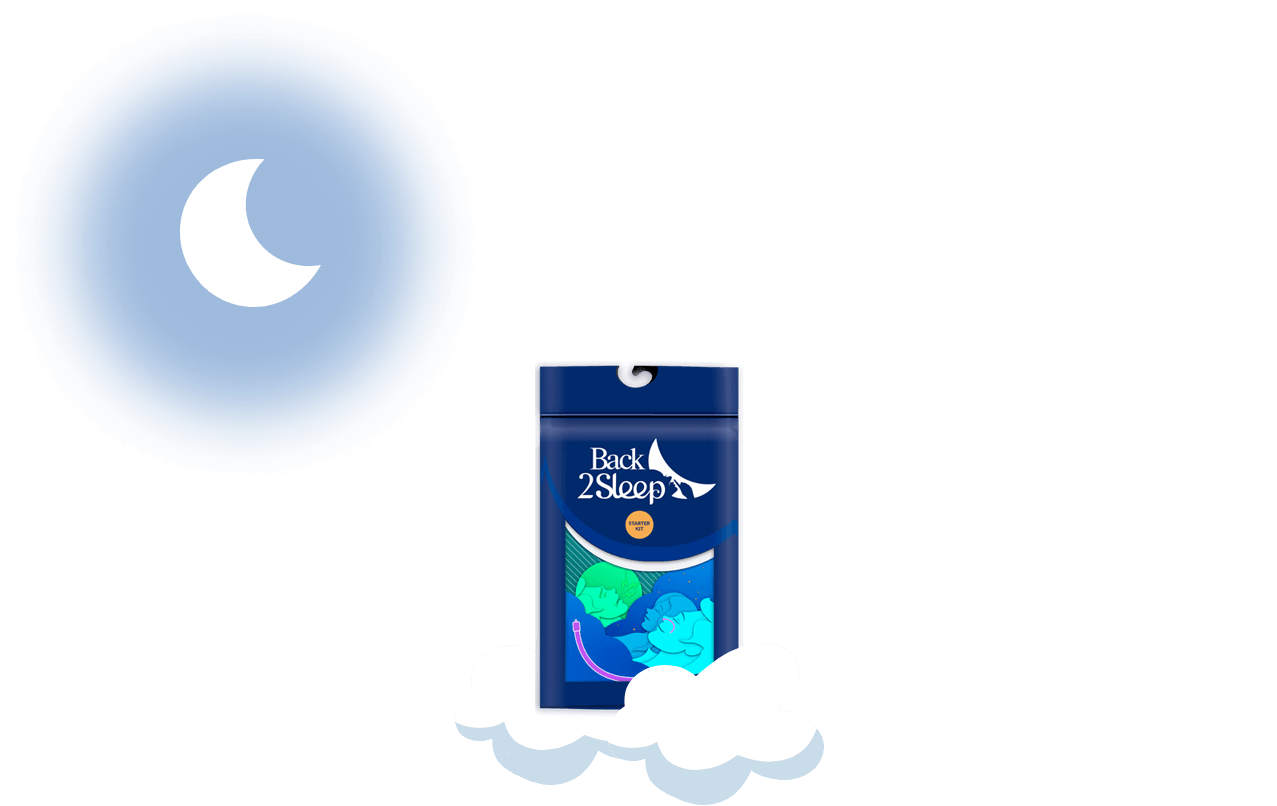
The Back2Sleep nasal stent uses a curved design that follows the nasal anatomy. It extends slightly into the nasopharynx, which provides additional support beyond the valve area. Most users adapt within 2-3 nights.
Mouth tape mechanism
Mouth tape is an adhesive strip placed over the lips. It forces nasal breathing by physically preventing the mouth from opening during sleep. The idea is simple: if you cannot breathe through your mouth, you must breathe through your nose.
However, mouth tape does not improve nasal airflow. If your nasal passages are already restricted, taping your mouth shut can reduce total ventilation. A 2023 study in Sleep and Breathing found that mouth tape only reduced snoring in participants with normal nasal resistance.

Head-to-Head Comparison: Nasal Stent vs Mouth Tape for Snoring
| Feature | Nasal Stent | Mouth Tape |
|---|---|---|
| Mechanism | Opens nasal valve from inside | Seals lips to force nasal breathing |
| Snoring reduction | Up to 75% in nasal snorers (Djupesland, 2013) | Variable; only effective with clear nasal passages |
| Safety with sleep apnea | CE-certified for mild-moderate OSA | Not recommended — can block emergency mouth breathing |
| Comfort (first night) | Mild nasal awareness; adapts in 2-3 nights | Can cause claustrophobia or anxiety |
| Skin irritation | None (no adhesive) | Common — redness, peeling around lips |
| Side sleeper friendly | Yes — stays in place regardless of position | May peel off with pillow contact |
| Cost per month | Reusable for weeks | Disposable — daily replacement needed |
| Breathe through mouth if needed | Yes — mouth remains free | No — mouth is sealed |
Identify Your Breathing Pattern in 3 Steps
The Nose Test
Close your mouth and breathe through one nostril at a time. If airflow feels restricted on either side, a nasal stent can help.
The Morning Check
Wake up with a dry mouth or sore throat? You are mouth breathing at night. But first check if nasal obstruction is the root cause.
The Partner Report
Ask your partner: is the snoring loudest with your mouth open, mouth closed, or both? This points to the right device.
When a Nasal Stent Is the Better Choice
Deviated septum or narrow nostrils
A nasal stent bypasses structural restrictions that mouth tape cannot address.
Allergies or seasonal congestion
Stents maintain airflow even when tissues swell. Mouth tape makes congestion worse.
Mild to moderate sleep apnea
The Back2Sleep stent is CE-certified for OSA. Mouth tape has no such approval.
Side sleepers
No adhesive means no peeling. Learn more about your first night with a nasal stent.
When Mouth Tape Might Work
Mouth tape can be reasonable if you have completely clear nasal passages and only snore with your mouth open. However, there are important safety warnings.
Clinical Evidence Summary
A 2022 meta-analysis in Rhinology confirmed that internal nasal dilators produce statistically significant improvements in nasal airflow and snoring intensity. Mouth tape studies remain limited, with only two small randomized trials published as of 2026.
Cost and Convenience Breakdown
| Factor | Nasal Stent | Mouth Tape |
|---|---|---|
| Initial cost | Starter kit with multiple sizes | Roll or pre-cut strips |
| Monthly cost | Low — reusable for several weeks | Higher — daily disposable |
| Travel friendly | Fits in a pocket, no adhesive mess | Requires fresh strips each night |
| Maintenance | Rinse with warm water daily | None — single use |
| Environmental impact | Less waste — one device lasts weeks | More waste — daily disposal |
Explore the Back2Sleep starter kit to find the right nasal stent size for your anatomy.
- If your snoring starts in the nose, a nasal stent is the evidence-based choice.
- If you only mouth-breathe with perfect nasal airflow, mouth tape may help — but carries safety risks with sleep apnea.
- For most snorers, a nasal stent offers better comfort, safety, and proven results.
- Read our full Back2Sleep vs mouth tape comparison for even more detail.

What Back2Sleep Users Say
Frequently Asked Questions
Is it safe to use mouth tape with sleep apnea?
No. Mouth tape should not be used with sleep apnea because it blocks emergency mouth breathing during apnea events. A nasal stent keeps the airway open without sealing the mouth.
Can I use a nasal stent and mouth tape together?
Some people combine both, but start with just a nasal stent first. If nasal airflow improves enough, mouth breathing often stops naturally without tape.
How do I know if my snoring is nasal or oral?
Try the closed-mouth test: close your mouth and try to snore. If you can still make the sound, the obstruction is nasal. If snoring stops, you are an oral snorer.
Does a nasal stent hurt?
Most users feel mild awareness the first night. By night 2-3, the nasal stent feels natural. Unlike mouth tape, there is no skin irritation or adhesive residue.
Which option is better for side sleepers?
Nasal stents are better for side sleepers because they have no adhesive that can peel off against the pillow. They stay in place regardless of your sleep position.
Ready for quieter nights? Discover the Back2Sleep starter kit and find the right fit for you.
Not sure if you are at risk? Take our sleep risk screening to find out in just a few minutes.
Want to learn how it works? Explore the Back2Sleep nasal stent designed for comfortable, effective relief.