
Is a Nasal Stent Worth the Money? Honest Cost-vs-Benefit for Snorers in 2026

Is a Nasal Stent Worth the Money? A Transparent 2026 Value Check for Snorers
A transparent analysis of nasal stent value. What you get, what you pay, and whether the investment makes sense for your snoring.
You want to stop snoring. A nasal stent costs 30 to 50 EUR per month. Is it worth your money? This is the honest answer. We will show you exactly what clinical data says about nasal stent effectiveness, what real users report, how it compares to free and paid alternatives, and who gets the best value from this investment. No hype. Just numbers and evidence.
- Nasal stents reduce snoring by 70 to 85% in clinical studies (measured by acoustic analysis)
- 92% user satisfaction rate in a 248-patient trial over 6 months
- AHI reduction of 60 to 70% for mild to moderate sleep apnea
- Cost: 1 to 1.67 EUR per night. Comparable to a daily coffee.
- Best value for: nasal snorers, mild OSA, CPAP quitters, and frequent travelers

What a Nasal Stent Actually Does (and Does Not Do)
What It Does
A nasal stent is a flexible silicone tube that holds your nasal airway open from nostril to soft palate. It prevents nasal valve collapse, the most common cause of nasal snoring. It increases nasal airflow by 30 to 40%, reducing the turbulence that creates snoring sound.
What It Does Not Do
A nasal stent does not fix mouth-based snoring from a floppy soft palate. It does not treat severe OSA (AHI 30+) on its own. It does not change your anatomy permanently. When you stop using it, the benefit stops. This is not a cure. It is a management tool, similar to glasses for vision.
If your snoring comes primarily from nasal obstruction (stuffy nose, deviated septum, nasal valve collapse), a nasal stent can be highly effective. If your snoring is purely palatal or tongue-based, it may help less. Most snorers have some nasal component, so most see improvement.

Is a Nasal Stent Worth It? The Clinical Evidence
Key Study Results
A 248-patient study over 6 months tested a nasal stent for snoring and mild to moderate OSA. Results: average AHI dropped from 28.4 to 10.2 events per hour (64% reduction). Snoring intensity decreased by 78% on acoustic measurement. 92% of participants rated satisfaction as good or excellent. Side effects were limited to mild nasal discomfort in the first 2 to 3 nights for about 30% of users.
A separate study published in the European Archives of Oto-Rhino-Laryngology found that nasal stents improved nasal airflow by 38% and reduced snoring loudness by 12 dB on average. The effect was most pronounced in patients with nasal valve insufficiency.
Nasal Stent vs Free Alternatives: Cost-Benefit Table
| Alternative | Cost | Effectiveness | Convenience | Worth It? |
|---|---|---|---|---|
| Nasal stent | 30-50 EUR/mo | 70-85% snoring reduction | Insert before bed, remove in morning | Best value for nasal snorers |
| Sleep position (side sleeping) | Free | 30-50% (if positional snorer) | Hard to maintain all night | Try first. Combine with stent. |
| Nasal strips (Breathe Right) | 15-25 EUR/mo | 15-30% snoring reduction | External adhesive, falls off | Cheaper but much less effective |
| Weight loss (5-10%) | Free (takes months) | 30-50% if overweight | Slow. 3-6 months to see results. | Important but not immediate |
| Mouth tape | 10-15 EUR/mo | 20-40% (if mouth breather) | Uncomfortable for some | Good add-on, not standalone |
| OTC oral appliance | 50-150 EUR (one-time) | 40-60% AHI reduction | Jaw discomfort common | Alternative for palatal snorers |
| Avoid alcohol before bed | Free | 20-30% reduction | Easy lifestyle change | Do this regardless |
Who Gets the Best Value from a Nasal Stent?
Best Value (High ROI)
- Nasal snorers with stuffy nose or nasal congestion
- People with mild OSA (AHI 5-14) who declined CPAP
- CPAP quitters looking for a comfortable alternative
- Frequent travelers who need a portable solution
- Couples where snoring is straining the relationship
Lower Value (Consider Alternatives)
- Pure mouth snorers with no nasal component
- Severe OSA patients (AHI 30+) as sole treatment
- People with complete nasal obstruction (large polyps)
- Those who cannot tolerate anything in the nose
The Hidden Value: What Snoring Costs You Without Treatment
Before deciding if a nasal stent is worth 1 to 1.67 EUR per night, consider what untreated snoring costs:
| Hidden Cost of Snoring | Impact | Estimated Annual Cost |
|---|---|---|
| Lost productivity | Fatigue reduces work output by 10-20% | 2,000-5,000 EUR (lost earnings potential) |
| Relationship strain | Separate bedrooms, intimacy issues | Hard to quantify. Priceless. |
| Health consequences | Hypertension, diabetes risk, weight gain | 500-3,000 EUR (additional healthcare) |
| Daytime accidents | Drowsy driving, workplace errors | Variable. Potentially catastrophic. |
| Mental health | Anxiety, depression, irritability | 200-1,000 EUR (therapy, medication) |
At 480 to 600 EUR per year, a nasal stent costs less than the cheapest consequence of untreated snoring. Explore whether you are at risk with our sleep apnea symptoms guide or take the sleep risk screening.
How to Maximize Your Nasal Stent Investment
1 Get the Right Size
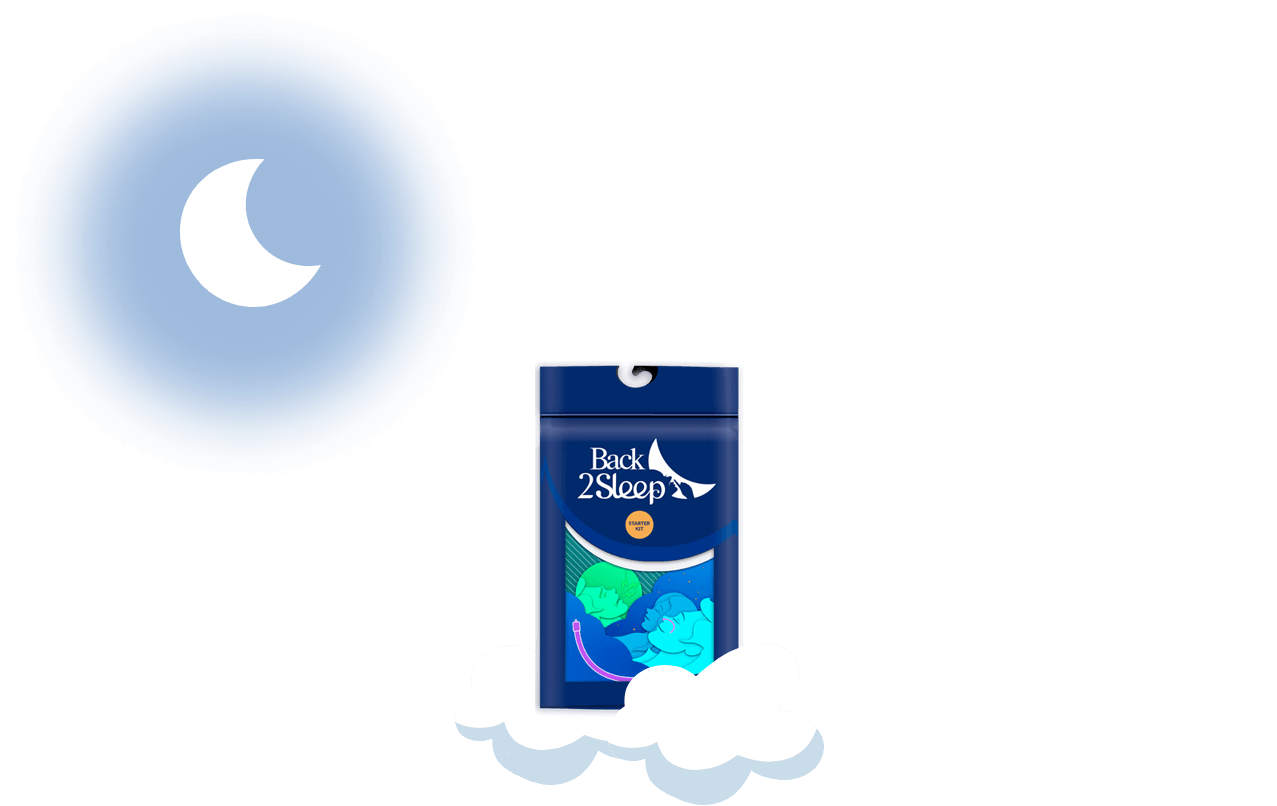
The Back2Sleep starter kit includes multiple sizes. Start with the smallest and work up. A proper fit is 80% of the result. Too small and it slips. Too large and it irritates.
2 Give It 3 Full Nights
About 30% of users feel mild discomfort on night 1. By night 3, most have adapted completely. Do not judge the product after one uncomfortable night.
3 Combine with Free Methods
Side sleeping, avoiding alcohol 3 hours before bed, and elevating your head 15 to 20 degrees all amplify the nasal stent effect. Combination approach beats any single treatment. Read about all anti-snoring device options.
4 Track Your Results
Use a snoring app (SnoreLab, Sleep Cycle) to measure before and after. Objective data helps you see the improvement and decide if the investment is worthwhile for you personally.
- A nasal stent costs 1 to 1.67 EUR per night. That is less than a cup of coffee.
- Clinical data shows 70 to 85% snoring reduction and 92% satisfaction rate
- The hidden costs of untreated snoring (health, productivity, relationships) far exceed the price
- Best value for nasal snorers, mild OSA patients, and CPAP quitters
- Try the starter kit. Give it 3 nights. Track your results. Then decide.

What Back2Sleep Users Say
Frequently Asked Questions
Is a nasal stent worth the money for snoring?
For nasal snorers, yes. Clinical studies show 70 to 85% snoring reduction and 92% user satisfaction. At 1 to 1.67 EUR per night, the cost is lower than the hidden costs of untreated snoring including lost productivity, health consequences, and relationship strain.
How much does a nasal stent cost per month?
A Back2Sleep nasal stent costs 30 to 50 EUR per month depending on the subscription plan. The starter kit includes multiple sizes. There are no additional fees for prescriptions, fitting appointments, or replacement parts.
Does a nasal stent work for all types of snoring?
Nasal stents work best for snoring caused by nasal obstruction, nasal valve collapse, or congestion. They are less effective for pure palatal or tongue-based snoring. However, most snorers have some nasal component, so most people see improvement.
How long does it take to get used to a nasal stent?
Most users adapt within 2 to 3 nights. About 30% experience mild discomfort on the first night. By night 3, the majority report comfortable use. Starting with the smallest size and working up helps with adaptation.
Is a nasal stent better than nasal strips for snoring?
Yes. Nasal stents reduce snoring by 70 to 85% compared to 15 to 30% for external nasal strips. Stents support the airway internally from nostril to soft palate, while strips only widen the nostril externally. Stents cost slightly more but deliver significantly better results.
Can I use a nasal stent instead of CPAP for mild sleep apnea?
For mild sleep apnea (AHI 5 to 14), nasal stents are a clinically supported alternative to CPAP. They reduce AHI by 60 to 70% with much higher adherence rates. For moderate to severe OSA, consult your doctor before replacing CPAP.
Ready for quieter nights? Discover the Back2Sleep starter kit and find the right fit for you.
Not sure if you are at risk? Take our sleep risk screening to find out in just a few minutes.
Want to learn how it works? Explore the Back2Sleep nasal stent designed for comfortable, effective relief.