
Nasal Stent for Side Sleepers: Does It Stay in Place All Night?

Nasal Stent for Side Sleepers: How It Stays Secure and Comfortable Until Morning
Yes, it stays put. Here is exactly how a nasal stent performs for side sleepers — comfort, stability, and real user results.
Can a Nasal Stent Handle Side Sleeping All Night?
Side sleeping is the most common sleep position in Europe, used by about 60% of adults. It is also one of the best positions for reducing snoring and sleep apnea. But if you use a nasal stent as a side sleeper, you might worry about the device shifting, falling out, or causing discomfort against your pillow.
The short answer: a well-fitted nasal stent stays in place all night, even for side sleepers. The Back2Sleep nasal stent uses an internal curved design that sits entirely inside the nasal passage. There is nothing external to catch on pillows or bedding. Here is exactly what to expect.

Why Side Sleeping Is Already Good for Snoring
Side sleeping (lateral position) reduces the gravitational collapse of soft palate and tongue tissues. A 2019 study in Sleep Medicine Reviews found that 56% of obstructive sleep apnea patients have position-dependent symptoms — meaning their AHI drops significantly when moving from back to side sleeping.
Adding a nasal stent to lateral sleeping creates a double benefit. The position keeps the throat open while the stent keeps the nasal valve open. Together, these two mechanical advantages can reduce snoring by 60-80% in mild to moderate cases.
How the Back2Sleep Nasal Stent Stays in Place
Internal retention design
Unlike nasal strips that stick to the outside of your nose, the Back2Sleep stent sits entirely inside the nasal passage. A small flared retention ring at the nostril keeps it anchored. The curved body follows your nasal anatomy and extends slightly into the nasopharynx. This three-point contact (nostril rim, nasal passage, nasopharynx) creates stable retention regardless of head position.
No external parts
There is nothing protruding from your nose. When you press your face into a pillow while side sleeping, nothing catches, shifts, or gets pushed. CPAP masks, by contrast, often leak or dislodge in the lateral position — a problem nasal stent users never face.
Flexible medical-grade silicone
The stent is made from soft, medical-grade silicone that flexes with natural movement. If you shift positions during the night — which most people do 10-30 times — the stent moves with you. It does not become rigid or create pressure points.
Nasal Stent Comfort by Sleep Position
| Sleep Position | Stent Stability | Comfort Level | Notes |
|---|---|---|---|
| Side (left or right) | Excellent | High | No external contact with pillow; stent stays fully internal |
| Back | Excellent | High | No gravitational pull on device; ideal fit |
| Stomach | Good | Moderate | Slight nostril pressure; still stays in place |
| Combination (position changer) | Excellent | High | Flexible silicone adapts to all transitions |
Tips for Side Sleepers Using a Nasal Stent
Pick the right size
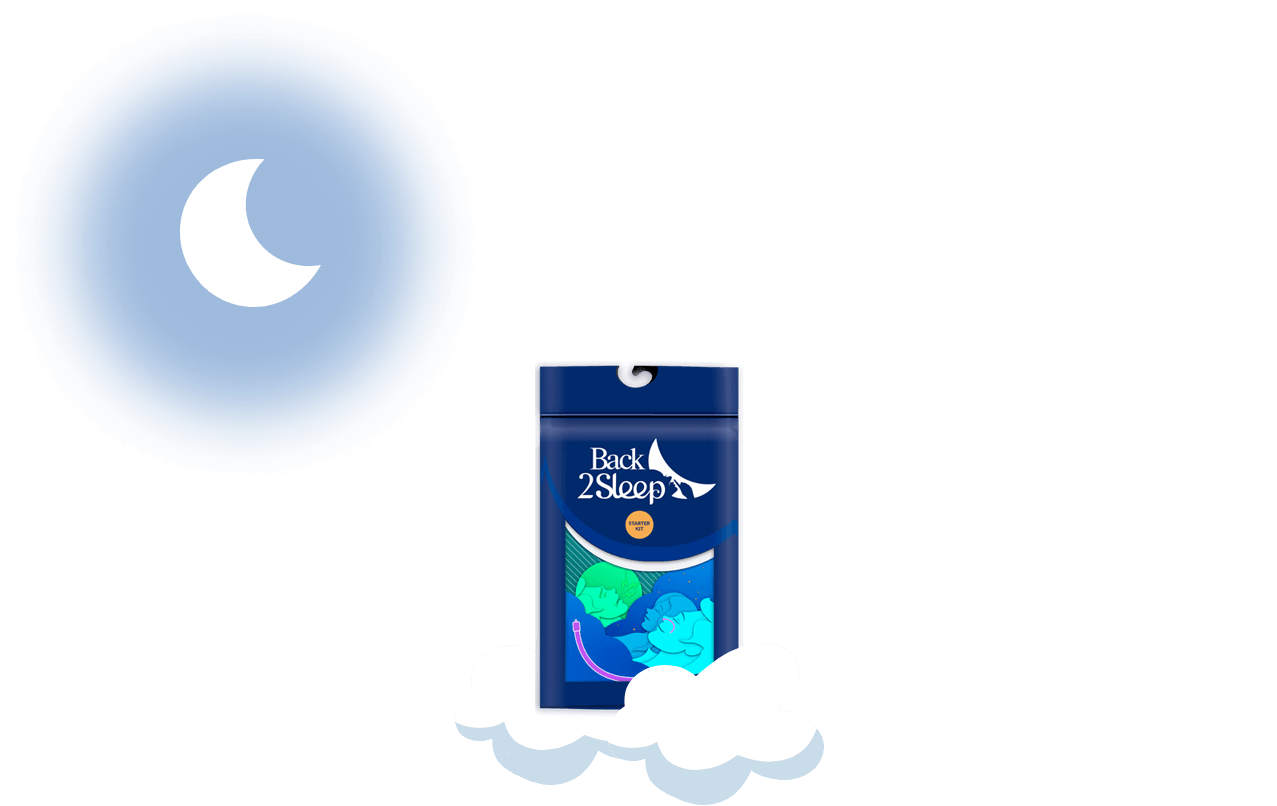
The starter kit includes multiple sizes. Side sleepers should start with the size that feels snug but not tight. Too loose = movement risk.
Use a supportive pillow
A medium-firm pillow keeps your head aligned without crushing your nose. Memory foam contour pillows work especially well.
Insert before lying down
Insert the stent while sitting upright or standing. This gives the best view and angle. Then move to your preferred side.
Give it 2-3 nights
Most side sleepers adapt within 2-3 nights. Mild awareness on night one is completely normal.
Side Sleeper Stent vs CPAP vs Mouth Tape
| Feature | Nasal Stent | CPAP Mask | Mouth Tape |
|---|---|---|---|
| Side sleeper compatibility | Excellent — fully internal | Poor — mask often leaks laterally | Fair — can peel off on pillow |
| Position changes at night | No adjustment needed | May need mask readjustment | Usually stays unless heavy sweating |
| Pillow pressure interference | None | High — common cause of mask leaks | Moderate — adhesive weakens |
| Noise | Silent | Machine noise + air leak sounds | Silent |
| Partner comfort | Invisible in bed | Mask and hose visible | Tape visible on face |
For more on this topic, see our detailed nasal stent vs mouth tape comparison.
What Side Sleepers Say About the Back2Sleep Stent
- A nasal stent stays firmly in place for side sleepers because it is 100% internal.
- Side sleeping + nasal stent creates a powerful double effect against snoring.
- No pillow interference, no leaks, no adhesive peeling — unlike CPAP masks or mouth tape.
- Start with the Back2Sleep starter kit and allow 2-3 nights to adapt.

What Back2Sleep Users Say
Frequently Asked Questions
Does a nasal stent fall out when sleeping on your side?
No. The Back2Sleep nasal stent sits entirely inside the nasal passage with a retention ring at the nostril opening. There are no external parts to catch on pillows. Side sleepers report stable retention all night.
Is a nasal stent more comfortable than CPAP for side sleepers?
Most side sleepers find nasal stents far more comfortable. CPAP masks often leak when pressed against a pillow in the lateral position. A nasal stent has no external components, eliminating pillow interference completely.
Can I switch between left and right sides with a nasal stent?
Yes. The flexible medical-grade silicone moves with you through all position changes. Most people change positions 10-30 times per night, and the stent stays in place throughout.
What size nasal stent should side sleepers use?
Choose the size that feels snug without pressure. The Back2Sleep starter kit includes multiple sizes so you can test which one provides the best fit for your nasal anatomy.
How long does it take to get used to a nasal stent as a side sleeper?
Most users adapt within 2-3 nights. The first night may feel slightly unfamiliar, but by night three the stent typically feels natural and barely noticeable.
Ready for quieter nights? Discover the Back2Sleep starter kit and find the right fit for you.
Not sure if you are at risk? Take our sleep risk screening to find out in just a few minutes.
Want to learn how it works? Explore the Back2Sleep nasal stent designed for comfortable, effective relief.