
Sleep Apnea Treatment Without a CPAP/PPC Mask: Complete 2025 Guide
Discover 12+ proven CPAP alternatives backed by clinical research—from the revolutionary new FDA-approved Zepbound medication to innovative intranasal devices, oral appliances, and natural treatments that can help you breathe freely and sleep peacefully without a mask.
Why Millions Are Seeking CPAP Alternatives
Obstructive sleep apnea (OSA) affects nearly 1 billion people globally, yet the gold standard treatment—Continuous Positive Airway Pressure (CPAP)—has a troubling compliance problem. Research consistently shows that 30-60% of patients abandon their CPAP machines, with some studies reporting non-adherence rates as high as 83% when compliance is defined as using the device for more than 4 hours nightly.
If you're among the millions struggling with your CPAP or PPC mask, you're not alone—and importantly, you're not without options. The field of sleep medicine has undergone a remarkable transformation, with innovative alternatives ranging from the first-ever FDA-approved medication for sleep apnea to minimally invasive devices that work while you sleep.
Mask Discomfort
Claustrophobia, skin irritation, pressure sores, and the sensation of being "suffocated" make CPAP intolerable for many users.
Noise & Partner Impact
Despite quieter modern machines, CPAP noise disturbs sleep for both users and bed partners, contributing to relationship strain.
Travel Challenges
Bulky equipment, distilled water requirements, and power needs make CPAP impractical for frequent travelers and camping enthusiasts.
Cost & Maintenance
Ongoing costs for filters, masks, tubing, and machine replacement create financial barriers to consistent treatment.
Studies reveal that only 46-54% of patients meet the standard compliance threshold of ≥4 hours per night for ≥70% of nights. Long-term adherence rates can drop to as low as 30% after one year. The first week of use is critical—patterns established during this period typically predict long-term compliance.
🆕 Breakthrough: First FDA-Approved Medication for Sleep Apnea (December 2024)
This groundbreaking approval marks a paradigm shift in sleep apnea treatment. For the first time in history, patients have a pharmaceutical option that addresses both the symptoms and an underlying cause of OSA—excess weight contributing to airway obstruction.
How Zepbound Works for Sleep Apnea
Zepbound (tirzepatide) is a dual GIP/GLP-1 receptor agonist that works by activating hormone receptors in the intestines that regulate appetite and metabolism. By reducing hunger and food intake, it addresses the weight-related component of obstructive sleep apnea while potentially offering direct anti-inflammatory benefits to the upper airway.
25-29 Fewer Events/Hour
Clinical trials showed Zepbound reduced breathing disruptions by 25-29 events per hour compared to 5-6 with placebo.
18-20% Weight Loss
Participants lost an average of 18-20% body weight (45-50 lbs), directly improving airway patency.
Up to 50% Remission
Up to 50% of participants achieved sleep apnea remission or reduction to mild severity after one year.
Weekly Injection
Once-weekly self-administered injection at home—no nightly device required.
Zepbound for OSA is indicated for adults with moderate-to-severe obstructive sleep apnea AND obesity (BMI ≥30). It should be used in combination with a reduced-calorie diet and increased physical activity. Common side effects include nausea, diarrhea, vomiting, and constipation. Discuss all risks and benefits with your healthcare provider.

Complete CPAP Alternative Comparison: 12 Treatments Ranked
Choosing the right CPAP alternative depends on your sleep apnea severity, anatomy, lifestyle, and budget. This comprehensive comparison table—based on clinical research and real-world outcomes—will help you make an informed decision with your healthcare provider.
| Treatment | Effectiveness | Best For | Comfort | Cost Range |
|---|---|---|---|---|
| Intranasal Stent (Back2Sleep) | 92% satisfaction | Mild-moderate OSA, snoring | ★★★★★ | €35-39/month |
| Zepbound (Tirzepatide) | 50% remission rate | Moderate-severe OSA with obesity | ★★★★☆ | $1,000+/month* |
| Inspire Hypoglossal Stimulation | 68% AHI reduction | Moderate-severe OSA, CPAP failure | ★★★★☆ | $30,000-50,000 |
| Mandibular Advancement Device (Custom) | 40-76% success | Mild-moderate OSA | ★★★☆☆ | $500-2,500 |
| Positional Therapy Device | 54% AHI reduction | Positional sleep apnea | ★★★★☆ | $50-400 |
| Orofacial Myofunctional Therapy | 50% AHI reduction | Mild-moderate OSA, adjunct therapy | ★★★★★ | $0-500 |
| Weight Loss (10-15%) | 30-50% improvement | Overweight/obese patients | ★★★★★ | Variable |
| UPPP Surgery | 35-80% success* | Palatal obstruction, enlarged tonsils | ★★☆☆☆ | $5,000-10,000 |
| Maxillomandibular Advancement | 86-100% success | Severe OSA, jaw abnormalities | ★★☆☆☆ | $40,000-60,000 |
| Nasal Surgery (Septoplasty) | Varies | Nasal obstruction component | ★★★☆☆ | $3,000-8,000 |
| Tongue Stabilizing Device | 40-50% success | Tongue-based obstruction | ★★☆☆☆ | $100-200 |
| EPAP (Expiratory PAP) | 30-50% success | Mild OSA, travel | ★★★★☆ | $30-75/month |
*Success rates vary significantly based on patient selection criteria and study definitions. UPPP success is highest (80.6%) for properly selected Stage 1 Friedman patients.
Self-Assessment: Which Treatment Is Right for You?
🎯 Find Your Ideal CPAP Alternative
Answer honestly to identify which treatment options may be most suitable for your situation. Discuss results with your healthcare provider.
Section A: Sleep Apnea Severity & Characteristics
Section B: Physical & Lifestyle Factors
Section C: CPAP Experience
📋 Interpretation Guide
If you checked items in Section A (1-2) + Section B (5, 7): Intranasal devices, positional therapy, or oral appliances may be excellent options.
If you checked Section B (5) and have severe OSA: Discuss Zepbound or surgical options with your doctor.
If you checked Section C items extensively: Non-mask alternatives like intranasal stents or Inspire therapy warrant exploration.
If you checked Section B (6): Address nasal issues first—this alone may improve your sleep apnea or CPAP tolerance.
Intranasal Devices: A Quiet Revolution in Sleep Apnea Treatment
Among the most innovative and patient-friendly alternatives to CPAP are intranasal orthotic devices. Unlike bulky masks that cover the face, these minimally invasive devices work from inside the nasal passages to maintain airway patency throughout the night.
Back2Sleep: The Intranasal Stent Solution
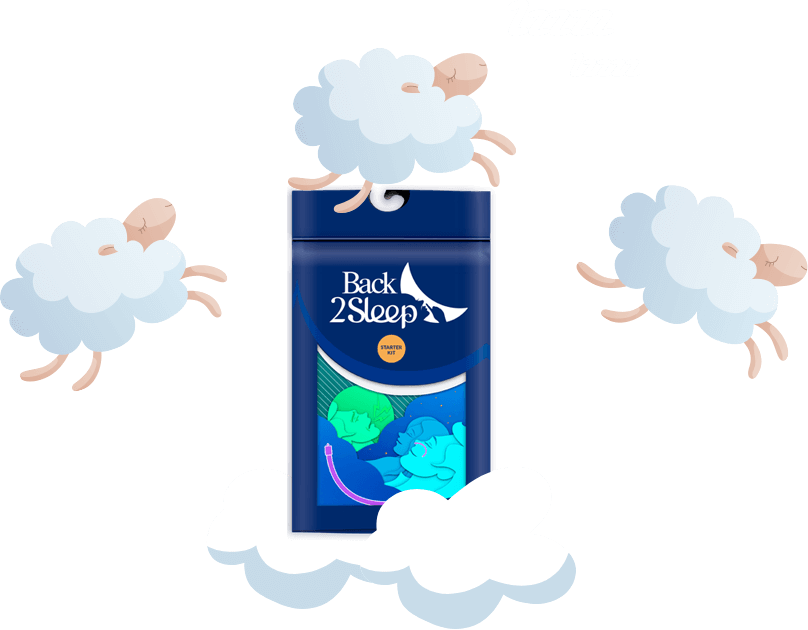
Back2Sleep represents a breakthrough in sleep apnea and anti-snoring technology. This innovative device features a soft silicone tube that is gently inserted through the nose, with the end reaching the soft palate—the primary site of airway collapse for most people with obstructive sleep apnea.
The device maintains the airway open at the soft palate level, preventing the tissue collapse that causes both snoring and apnea events. Its medical-grade silicone is as soft as skin, making it comfortable enough for all-night use.
How Intranasal Stents Compare to Other Treatments
🔇 Silence Advantage
Unlike CPAP machines that generate noise (even "whisper-quiet" models produce 25-30 dB), intranasal stents are completely silent—a major benefit for light sleepers and their partners.
🎒 Travel Freedom
The entire Back2Sleep kit fits in your pocket—no bulky equipment, distilled water, or power outlets needed. Perfect for business travel, camping, or anywhere life takes you.
"After years of battling my CPAP, I was skeptical of anything else working. The Back2Sleep device was a revelation—my wife says I no longer snore, and I wake up actually feeling rested. It's so simple I wondered why no one thought of it sooner."
Mandibular Advancement Devices: The Dental Approach
Mandibular Advancement Devices (MADs) are the most well-studied alternative to CPAP for obstructive sleep apnea. These custom-fitted oral appliances work by repositioning the lower jaw forward, which in turn pulls the tongue forward and opens the upper airway.
How MADs Work
When you sleep, your throat muscles relax, allowing the tongue and soft tissues to fall backward and narrow or block the airway. MADs physically hold the lower jaw (mandible) in a forward position, preventing this collapse. The typical advancement is 50-75% of maximum protrusion.
Custom-Fitted Design
Made from dental impressions for precise fit. Titratable designs allow incremental adjustment of jaw position for optimal results.
Proven Effectiveness
Clinical studies show 40-76% treatment success for mild-moderate OSA. Equal to CPAP for improving daytime sleepiness and blood pressure.
Cardiovascular Benefits
Research demonstrates MADs provide similar cardiovascular protection as CPAP, with some studies showing superior blood pressure reduction during sleep.
Better Compliance
Higher adherence rates than CPAP—patients use MADs approximately 2.5 more hours per night, improving real-world effectiveness.
Ideal for: Mild to moderate OSA (AHI 5-30), primary snoring, patients who cannot tolerate CPAP, positional sleep apnea, and those seeking a travel-friendly option. May not be suitable for: Severe OSA (AHI >30), central sleep apnea, significant jaw problems (TMJ), extensive dental work, or fewer than 10 healthy teeth.
Types of Mandibular Advancement Devices
| Type | Description | Pros | Cons |
|---|---|---|---|
| Custom Titratable | Two-piece device with adjustable advancement mechanism | Best effectiveness, precise adjustment, most comfortable | Higher cost ($1,500-2,500), requires dental visits |
| Custom Monoblock | One-piece custom device, fixed position | Durable, good effectiveness | Cannot adjust, may cause more jaw discomfort |
| Semi-Custom (Boil & Bite) | Thermoplastic device molded at home | Lower cost ($100-300), no dental visits | Less effective, poor fit, higher side effects |
| OTC/Prefabricated | One-size-fits-most devices | Lowest cost ($30-100), immediate availability | Least effective, may worsen condition, not recommended |
Common initial effects include excess salivation, dry mouth, tooth discomfort, and jaw soreness. Most resolve within 2-4 weeks. Long-term use may cause minor tooth movement or bite changes in some patients—regular dental follow-up is recommended. TMJ symptoms should be reported immediately.

Positional Therapy: Simple Yet Powerful
For the 50-60% of sleep apnea patients whose symptoms significantly worsen when sleeping on their back (supine position), positional therapy offers an elegantly simple solution. Studies show this approach can reduce the Apnea-Hypopnea Index by 54% on average, with some patients seeing an 84% reduction in time spent sleeping supine.
Why Position Matters
When you sleep on your back, gravity pulls the tongue and soft palate toward the back of the throat, narrowing the airway. Side sleeping naturally positions these structures away from the airway, reducing obstruction. For patients with positional OSA (defined as supine AHI at least twice the lateral AHI), position changes alone can be transformative.
Vibrating Devices
Smart devices worn on chest or neck detect supine position and deliver gentle vibrations to prompt position change without fully waking you.
Positional Belts
Wearable backpacks or belts that make back sleeping uncomfortable, training you to sleep on your side naturally.
Specialized Pillows
Contoured pillows that maintain side-sleeping position and support proper head/neck alignment throughout the night.
Tennis Ball Technique
Classic DIY method: sewing a tennis ball into the back of sleep shirt to prevent supine position. Low-cost but less comfortable.
A meta-analysis of new-generation positional devices showed a mean AHI reduction of 11.3 events/hour and 84% reduction in supine sleep time. The American Academy of Sleep Medicine recognizes positional therapy as an effective secondary therapy for positional OSA. It's often combined with other treatments for enhanced results.
Myofunctional Therapy: Exercise Your Way to Better Sleep
Orofacial Myofunctional Therapy (OMT) is a non-invasive approach that uses specific exercises to strengthen the muscles of the tongue, soft palate, and throat. By improving muscle tone and coordination, these exercises can reduce airway collapse during sleep—potentially decreasing your AHI by up to 50%.
The Science Behind OMT
Research has identified that poor pharyngeal muscle responsiveness is one of the four key pathophysiological traits contributing to sleep apnea (alongside anatomical factors, arousal threshold, and loop gain). By strengthening these muscles through targeted exercises, you can improve their ability to maintain airway patency during sleep.
A Cochrane review found that compared to sham therapy, myofunctional exercises probably reduce daytime sleepiness, may increase sleep quality, and may result in a large reduction in AHI. Studies show average AHI reductions of 50%, with effects sustained when exercises are maintained.
Sample Myofunctional Exercises
- Tongue Press: Press the entire tongue against the roof of your mouth and hold for 3 seconds. Repeat 10 times, 3 sets daily. This strengthens tongue positioning muscles.
- Tongue Slide: Place tongue tip against the front teeth, then slide the tongue backward along the roof of the mouth. Repeat 20 times. Improves tongue control.
- Cheek Push: Push your tongue against the inside of each cheek alternately, holding for 10 seconds each side. Repeat 10 times. Strengthens lateral tongue muscles.
- Vowel Sounds: Pronounce "A-E-I-O-U" loudly and clearly, exaggerating mouth movements. Repeat for 3 minutes. Exercises multiple oropharyngeal muscles.
- Jaw Exercise: Open mouth wide, then close while pressing teeth together gently. Hold for 5 seconds. Repeat 15 times. Strengthens jaw and throat muscles.
- Soft Palate Elevation: Say "Ah" loudly while looking in mirror—observe the uvula lift. Hold for 5 seconds. Repeat 20 times. Targets soft palate.
Interestingly, playing the didgeridoo (an Australian wind instrument) has been clinically shown to reduce sleep apnea severity. The circular breathing technique strengthens the upper airway muscles in a similar way to myofunctional therapy. A Swiss study found regular practice reduced AHI by an average of 6.2 events per hour.
Surgical Treatments: When Other Options Aren't Enough
When conservative treatments fail or when anatomical abnormalities are significant contributors to sleep apnea, surgical intervention may be considered. Modern surgical approaches range from minimally invasive office procedures to comprehensive multilevel surgeries.
Uvulopalatopharyngoplasty (UPPP)
UPPP is the most commonly performed surgery for obstructive sleep apnea. It involves removing or reshaping tissues at the back of the throat including the uvula, soft palate, tonsils, and adenoids to widen the airway. Success rates range from 35-80% depending on patient selection, with properly staged patients (Friedman Stage I) achieving success rates of 80.6%.
🔬 Inspire Hypoglossal Nerve Stimulation
An implanted device that monitors breathing and delivers mild electrical pulses to the hypoglossal nerve, moving the tongue forward to keep the airway open. FDA-approved since 2014, with 5-year studies showing sustained 68% AHI reduction.
🦴 Maxillomandibular Advancement (MMA)
A major reconstructive surgery that moves both upper and lower jaws forward, significantly enlarging the airway space. Reserved for severe cases but offers the highest success rates (86-100%) among surgical options.
Other Surgical Procedures
| Procedure | Target Area | Recovery Time | Best Candidates |
|---|---|---|---|
| Septoplasty | Deviated nasal septum | 1-2 weeks | Nasal obstruction component |
| Turbinate Reduction | Enlarged nasal turbinates | 1-2 weeks | Chronic nasal congestion |
| Tonsillectomy/Adenoidectomy | Enlarged tonsils/adenoids | 2 weeks | Children, enlarged tonsils (Grade 3-4) |
| Tongue Base Reduction | Tongue base tissue | 2-3 weeks | Tongue-base obstruction |
| Hyoid Suspension | Hyoid bone repositioning | 2 weeks | Combined with other procedures |
| Bariatric Surgery | Weight reduction | 4-6 weeks | BMI >35 with comorbidities |
Surgery for sleep apnea is generally recommended only after CPAP and other conservative treatments have failed. Success depends heavily on proper patient selection—Drug-Induced Sleep Endoscopy (DISE) helps identify the specific site(s) of airway collapse. Complications can include bleeding (1-2%), infection, temporary swallowing difficulty, and voice changes. Recovery from UPPP takes 2-4 weeks with significant throat pain.
Treatment Timeline: When to Expect Results
Understanding realistic timelines helps set expectations and maintain motivation. Here's what to expect with different treatment approaches:
Intranasal Stent (Back2Sleep)
Immediate effect on snoring and mild apnea. Most users notice improvement the first night. Full adaptation typically takes 3-5 nights as you get accustomed to the device.
Positional Therapy
Immediate improvement if positional component present. Vibrating devices may require 9-night adaptation period for optimal training effect.
Mandibular Advancement Device
Initial fitting and adjustment period. Full titration to optimal jaw position may take 4-6 weeks. Initial side effects typically resolve within 2-4 weeks.
Myofunctional Therapy
Consistent daily exercises required. Studies show measurable AHI reduction begins around week 8, with full benefits typically seen by week 12.
Zepbound (Tirzepatide)
Gradual dose escalation over first 4-8 weeks. Weight loss and sleep apnea improvement continue progressively, with optimal results seen at 12 months in clinical trials.
Weight Loss (Lifestyle)
10% body weight loss can reduce AHI by 26-50%. At 1 lb/week, 20 lb loss takes ~5 months. Benefits continue to accumulate with sustained weight management.
UPPP Surgery
2-4 week recovery period with significant pain. Swelling improves over 2-3 weeks. Final results assessable at 3-6 months post-surgery.
Inspire Implant
Device activated 4-6 weeks post-surgery. Titration appointments to optimize settings. Full benefits typically realized within 2-3 months of activation.
Lifestyle Modifications: The Foundation of Treatment
Regardless of which alternative treatment you choose, lifestyle modifications form the essential foundation. These changes can enhance the effectiveness of any treatment and, in some cases, may be sufficient for mild sleep apnea.
Weight Management
A 10% weight reduction can decrease AHI by 26-50%. Fat deposits around the neck directly compress the airway—each inch of neck circumference increase raises OSA risk by 30%.
Alcohol Avoidance
Alcohol relaxes throat muscles and can increase apnea events by 25%. Avoid alcohol within 3-4 hours of bedtime for best results.
Smoking Cessation
Smoking increases upper airway inflammation and fluid retention, worsening OSA by 2.5x. Benefits begin within weeks of quitting.
Sleep Hygiene
Regular sleep schedule, cool bedroom (65-68°F), and avoiding screens before bed improve sleep architecture and may reduce apnea severity.
Anti-Inflammatory Diet for Sleep Apnea
Emerging research suggests that systemic inflammation plays a role in OSA severity. Anti-inflammatory foods may support treatment:
- Omega-3 fatty acids: Fatty fish (salmon, mackerel), walnuts, flaxseed
- Magnesium-rich foods: Dark leafy greens, nuts, seeds, dark chocolate
- Antioxidant-rich produce: Berries, citrus fruits, colorful vegetables
- Foods to limit: Processed foods, refined sugars, excessive dairy (may increase mucus)
When to See a Doctor: Red Flags & Next Steps
While exploring CPAP alternatives, certain symptoms require prompt medical attention. Sleep apnea is a serious medical condition associated with increased cardiovascular, metabolic, and accident risks.
• Witnessed breathing pauses lasting >10 seconds
• Gasping or choking that wakes you from sleep
• Severe daytime sleepiness affecting work or driving
• Morning headaches (possible oxygen desaturation)
• Chest pain or irregular heartbeat during sleep
• Cognitive impairment or memory problems
• Mood changes, irritability, or depression
• High blood pressure resistant to medication
The Diagnostic Process
- Initial Consultation: Sleep specialist reviews symptoms, medical history, and performs physical examination including BMI, neck circumference, and airway assessment.
- Sleep Study: Polysomnography (in-lab) or Home Sleep Apnea Test (HSAT) measures AHI, oxygen levels, and sleep architecture to confirm diagnosis and severity.
- Treatment Planning: Based on severity (mild/moderate/severe), anatomical factors, and patient preferences, appropriate treatment options are discussed.
- Follow-Up Testing: After starting treatment, repeat sleep studies verify effectiveness. Adjust treatment as needed to achieve AHI <5 goal.
Frequently Asked Questions
Conclusion: Your Path to Better Sleep Without CPAP
The landscape of sleep apnea treatment has transformed dramatically. No longer is CPAP the only effective option—today's patients have access to an unprecedented array of alternatives, from groundbreaking medications to innovative devices and proven surgical approaches.
The key to success is finding the treatment that matches your specific needs:
- For mild-moderate OSA seeking simplicity: Consider intranasal stents like Back2Sleep or positional therapy
- For moderate OSA with good dental health: Custom mandibular advancement devices offer excellent outcomes
- For moderate-severe OSA with obesity: Discuss Zepbound with your physician—it may address multiple issues simultaneously
- For CPAP failure with moderate-severe OSA: Inspire hypoglossal stimulation provides mask-free treatment with sustained results
- For anatomical issues: Surgical options can offer lasting improvement or even cure
"I spent five years fighting with my CPAP every night. Since switching to the Back2Sleep device, I actually look forward to bedtime. My energy levels are back, my wife can sleep in the same room again, and I'm finally getting the rest I deserve."
Remember: the best treatment is the one you'll actually use consistently. A "less effective" treatment used every night will always outperform a "more effective" treatment gathering dust in a closet. Work with your healthcare provider to find your ideal solution—and take the first step toward the restful, restorative sleep you deserve.
Explore Sleep Solutions for 2025 • Complete Sleep Apnea Guide • About Our Mission • Read More on Our Blog