
Internal Nasal Stent vs External Adhesive Strips: Long-Term Solution vs Quick Fix

Internal Nasal Stent vs External Adhesive Strips: Which Anti-Snoring Device Actually Works Long-Term?
Clinical studies show internal nasal stents reduce snoring in 91% of users, while external adhesive strips offer only temporary relief. Here is the full evidence-based comparison to help you choose the right solution.
Why the Choice Between Internal and External Nasal Devices Matters
If you snore, you have probably tried an external adhesive nasal strip at some point. These flexible bands stick across the bridge of your nose, gently pulling your nostrils open from the outside. They are cheap, widely available, and feel like a simple fix. But after weeks of nightly use, many people discover the same frustrating pattern: the adhesive irritates their skin, the strips fall off during sleep, and the snoring returns.
An internal nasal stent works differently. It is a soft silicone tube inserted into one nostril, reaching past the nasal valve all the way to the soft palate. Instead of pulling from outside, it holds the airway open from within. This structural difference explains why clinical research consistently shows internal devices outperform external strips for sustained snoring reduction.
This guide compares both approaches using peer-reviewed medical studies, real user experiences, and practical considerations like cost, comfort, and long-term effectiveness. No brand names, no marketing spin. Just evidence.
- Internal nasal stents reduced snoring in 91% of participants in clinical studies
- External adhesive strips improved the snoring index by only 3.08 points vs 86.54 for internal devices
- Internal stents improved sleep quality significantly more than external strips (p < 0.05)
- External strips cost roughly €180/year in disposable waste; a reusable stent costs less per month
How Each Anti-Snoring Device Works: Mechanism of Action
Understanding why one device outperforms the other starts with understanding where snoring happens. Snoring is caused by vibration of soft tissues in your upper airway, primarily the soft palate and uvula. The nasal valve, a narrow passage just inside each nostril, contributes to airflow resistance. When this valve partially collapses during sleep, airflow becomes turbulent, and that turbulence causes tissue vibration downstream.
External Adhesive Nasal Strips
External strips use a spring-loaded adhesive band placed across the nose bridge. The band lifts the external nasal sidewall outward, widening the nostrils by approximately 1-2 millimetres. This reduces resistance at the nasal valve from the outside.
The limitation is clear: the strip only affects the front of the nose. It cannot reach deeper nasal structures, the nasopharynx, or the soft palate where most snoring-related vibration occurs. Think of it as propping open a door but leaving all the windows closed.
Internal Nasal Stent
An internal nasal stent is a flexible silicone tube that slides into one nostril and extends beyond the nasal valve, through the nasal cavity, reaching the area near the soft palate. It creates an unobstructed airway channel that bypasses every point of potential collapse.
Because it holds the airway open from inside at multiple levels, it addresses both nasal valve resistance and downstream soft palate vibration simultaneously. This is why a 2019 clinical study found internal dilators effective in a larger percentage of patients than external strips.
External Adhesive Strip
- Sits on nose bridge exterior
- Lifts nostrils outward 1-2 mm
- Affects nasal valve only
- Cannot reach soft palate
- Passive mechanical lift
Internal Nasal Stent
- Inserted inside the nostril
- Extends to soft palate area
- Bypasses all collapse points
- Holds airway open at multiple levels
- Active internal splinting

Clinical Evidence: What Medical Studies Actually Show
Several peer-reviewed studies have directly compared internal and external nasal dilators. The results paint a consistent picture. Here are the most significant findings.
Direct Comparison Study (2019, Rhinologic Clinic)
A clinical study published in the European Archives of Oto-Rhino-Laryngology compared an internal nasal dilator against an external adhesive strip in 41 patients (31 male, 10 female, mean age 44.7 years). Participants used each device for three consecutive nights while their snoring was measured via a validated smartphone application.
Key findings:
- Both devices significantly reduced snoring time compared to no device (p < 0.05)
- The internal dilator was effective in a significantly larger percentage of patients than the external strip (p < 0.05)
- Sleep quality was significantly better with the internal device (p < 0.05)
- Patient satisfaction correlated strongly with the internal device (r = 0.413, p < 0.01)
Nasal Airway Stent Tolerability Study
A separate study of 23 participants using an internal nasal airway stent over a 9-day protocol found:
- 91% of users showed reduced snoring time
- Average snoring index decreased by 29.9% (p = 0.02)
- 73% of participants reduced their average snoring volume
- 82% reduced their maximum snoring loudness
- By day 5, 67% reported normal sleep onset (initial adaptation takes 3-5 nights)
Systematic Review and Meta-Analysis (2025)
The most comprehensive analysis to date reviewed 17 studies with 496 participants across 8 countries. The meta-analysis found a striking difference in the snoring index improvement:
The review also found that internal nasal dilators reduced the apnea index by 4.87 events per hour, while external strips showed virtually no change (+0.64 events/hour). However, the researchers noted that neither device type is sufficient as standalone therapy for moderate-to-severe obstructive sleep apnea.
Head-to-Head Comparison: Internal Stent vs External Strip
This table consolidates findings from multiple clinical studies, user reports, and product specifications. Every data point below is sourced from published research or verified product information.
| Feature | Internal Nasal Stent | External Adhesive Strip |
|---|---|---|
| How it works | Soft silicone tube inserted into nostril, extends to soft palate | Adhesive band on nose bridge, pulls nostrils outward |
| Airway levels treated | Nasal valve + nasal cavity + soft palate | Nasal valve only |
| Snoring index improvement | -86.54 (meta-analysis) | -3.08 (meta-analysis) |
| Users showing improvement | 91% | ~50-60% (variable) |
| Sleep quality improvement | Statistically significant (p < 0.05) | Not statistically significant |
| Effect on apnea index | -4.87 events/hr | +0.64 events/hr (no benefit) |
| Adaptation period | 3-5 nights | None (immediate) |
| Lifespan per unit | ~15 days (reusable, washable) | Single use (dispose after one night) |
| Annual cost estimate | ~€34/month (subscription) | ~€180/year (€0.50/strip × 365) |
| Skin irritation | Minimal (medical-grade silicone) | Common with nightly use (adhesive rash, peeling) |
| Stays in place all night | Yes (internal fit) | Often falls off (sweat, oils, movement) |
| Waste generated | 1 tube per 15 days | 365 disposable strips/year |
| Visible when worn | Virtually invisible | Visible strip across nose |
Why External Adhesive Strips Lose Effectiveness Over Time
Many people start with external strips because they are the most familiar option. They are available in every pharmacy and require zero learning curve. But there are five well-documented reasons why they tend to stop working for chronic snorers.
1. They Only Address One Level of Obstruction
Snoring typically involves multiple points of airway narrowing. External strips can only widen the nostrils. If your snoring originates from soft palate vibration, tongue-base collapse, or pharyngeal narrowing, a strip on your nose bridge will have minimal effect. According to the Sleep Foundation, most snoring originates in the throat, not the nose.
2. Adhesive Degradation and Skin Sensitivity
Nightly adhesive application causes cumulative skin irritation. Users report contact dermatitis, redness, dry patches, and peeling skin after weeks of regular use. As the skin surface changes, the strips adhere less reliably, leading to mid-sleep detachment.
3. Positional Failure
Side sleepers and restless sleepers frequently find external strips partially or fully detached by morning. Natural facial oils, sweat, and pillow friction all weaken the adhesive bond. An internal device, held in place by the nasal anatomy itself, cannot fall off.
4. No Effect on Apnea Events
The 2025 meta-analysis found that external adhesive strips showed no reduction in the apnea-hypopnea index. In fact, the data showed a slight increase (+0.64 events/hour). For anyone with even mild sleep-disordered breathing, this is a critical limitation.
5. Ongoing Cost With No Improvement
At approximately €0.50 per strip, nightly use costs around €180 per year. This recurring expense delivers no progressive improvement: night 365 is no better than night 1. An internal stent, while requiring an initial learning curve, delivers sustained and often improving results as the user adapts.
Switch to a Long-Term SolutionThe Adaptation Timeline: What to Expect With an Internal Nasal Stent
The biggest advantage of external strips is zero adaptation time. You peel, stick, and sleep. An internal nasal stent requires 3 to 5 nights of adjustment. Here is what clinical data shows about that adaptation process.
71% of study participants reported mild difficulty with initial insertion. 81% took slightly longer to fall asleep. This is comparable to wearing contact lenses for the first time. The device feels unfamiliar but not painful.
By night 2, 66% reported no insertion difficulty. Discomfort scores dropped significantly. Most users describe the sensation as "forgettable" by this stage. Sleep onset begins normalising.
67% of participants returned to their normal sleep onset time. Discomfort scores continued declining through day 9 (p < 0.001). Users report they no longer notice the device during sleep.
All remaining study participants experienced 0-1 nighttime awakenings. "Just like a contact lens, the sense of discomfort soon vanished." Snoring reduction benefits reach their peak level.
Real User Experiences: What People Say After Switching
Clinical data tells one story. Real-world experiences from verified users tell another. Here are actual testimonials from people who switched from external adhesive strips to an internal nasal stent. Individual results may vary.
These experiences mirror what clinical researchers found: internal nasal stents require a brief adaptation period but deliver significantly better long-term results. The pattern of initial scepticism followed by genuine improvement appears consistently across user reports.
Find Your Perfect SizeCost Analysis: Long-Term Value Comparison
Anti-snoring devices are a recurring expense for most people. Snoring does not resolve on its own. Understanding the true annual cost helps you make a financially sound decision alongside a medically sound one.
| Cost Factor | Internal Nasal Stent | External Adhesive Strips |
|---|---|---|
| Unit price | €44.90 (starter kit with 4 sizes) | ~€0.50 per strip |
| Monthly cost | €34/month (subscription) | ~€15/month |
| Annual cost | €285/year (annual plan) | ~€180/year |
| Cost per effective night* | ~€0.82 (91% effective nights) | ~€0.83-1.00 (50-60% effective nights) |
| Environmental waste | ~24 tubes/year | 365 strips + packaging/year |
| Additional costs | None (lubricant included) | Skin cream for adhesive irritation |
*Cost per effective night = annual cost divided by nights where snoring was actually reduced, based on clinical effectiveness rates.
When you factor in the higher effectiveness rate of internal stents (91% vs approximately 50-60% for external strips), the cost per night of actual snoring relief is comparable or better with the internal device. You pay slightly more per year but receive significantly more benefit per euro spent.
Which Device Is Right for You?
Neither device is universally perfect. Your choice depends on your specific situation, snoring severity, and personal preferences. Here is an honest guide.
Choose an Internal Nasal Stent If:
You snore regularly and it affects your sleep quality or your partner's. You want a long-term, evidence-based solution. You are willing to invest 3-5 nights in adaptation. You value a discreet, invisible device. You travel frequently and need portability.
Choose External Strips If:
You snore occasionally (only when congested or during allergy season). You want a one-time, no-commitment trial. You prefer zero adaptation time. Your snoring is mild and primarily caused by nasal congestion rather than soft palate vibration.
Consider Both Options If:
You are unsure about the source of your snoring. You want to test external strips first and compare results objectively. Use a sleep tracking app to measure snoring time with each device over 3+ nights for a fair comparison.
Consult a Doctor If:
You experience daytime drowsiness, morning headaches, or observed breathing pauses during sleep. These may indicate obstructive sleep apnea, which requires professional diagnosis and may need CPAP therapy or other medical intervention.
Practical Guide: How to Use an Internal Nasal Stent
One reason people hesitate with internal devices is uncertainty about insertion. Here is a step-by-step guide based on the manufacturer protocol and real user feedback.
Start with the smallest size (S) from the starter kit. If it feels loose or does not stay in position, move up to M. Most adults use M or L. The device should sit snugly without causing pressure.
Apply a small amount of the included water-based lubricant to the tip of the stent. This ensures smooth, painless insertion. Never use oil-based products as they may degrade the silicone.
Slide the stent into one nostril following the natural curve of the nasal passage. The process takes about 10 seconds. The external anchor sits just outside the nostril opening to keep it secure.
Each morning, remove the stent and wash with warm water and mild soap. Air dry. Each stent lasts approximately 15 days before replacement. A 2-minute cleaning routine keeps it hygienic.
Environmental Considerations: Waste and Sustainability
Anti-snoring device choice also has an environmental dimension that most comparisons overlook.
External adhesive strips are single-use disposable products. Each strip consists of adhesive tape, a plastic spring mechanism, and protective backing. None of these components are recyclable. At one strip per night, that totals 365 pieces of non-recyclable waste per year per user.
An internal nasal stent is reusable for approximately 15 days. That translates to roughly 24 tubes per year, a reduction of over 93% in device waste. The medical-grade silicone is also more environmentally stable than mixed-material adhesive strips.
For environmentally conscious consumers, this is an additional factor favouring the internal approach. Less waste, fewer raw materials consumed, and lower shipping volume for refills delivered by subscription.
When to See a Doctor: Understanding Your Snoring
Both internal nasal stents and external strips are designed for snoring reduction, not for treating diagnosed sleep disorders. It is important to understand the boundaries of what any over-the-counter nasal device can accomplish.
Signs That Require Medical Evaluation
- Observed breathing pauses during sleep (reported by a partner)
- Excessive daytime sleepiness despite adequate sleep duration
- Morning headaches or dry mouth occurring most days
- Waking up gasping or choking
- An AHI (Apnea-Hypopnea Index) above 15 events per hour
These symptoms may indicate obstructive sleep apnea, a condition that requires professional diagnosis through a sleep study (polysomnography). Nasal devices may complement medical treatment but should not replace it.
Where Nasal Devices Fit in the Treatment Spectrum
| Condition | Appropriate Approach | Nasal Device Role |
|---|---|---|
| Simple snoring | Lifestyle changes + nasal device | Primary solution (internal stent recommended) |
| Mild sleep apnea (AHI 5-15) | Doctor consultation + positional therapy + nasal device | Complementary support |
| Moderate sleep apnea (AHI 15-30) | CPAP or oral appliance + doctor supervision | Adjunctive use only |
| Severe sleep apnea (AHI >30) | CPAP therapy mandatory + specialist care | Not appropriate as standalone |
Frequently Asked Questions
How long does it take to get used to an internal nasal stent?
Most users adapt within 3 to 5 nights. Clinical studies show that 67% of participants returned to normal sleep onset time by night 5, and discomfort scores decreased significantly through the first week (p < 0.001). The experience is similar to wearing contact lenses for the first time.
Do external adhesive nasal strips work for snoring?
External strips can help with snoring caused by nasal congestion by widening the nostrils from the outside. However, clinical evidence shows they improve the snoring index by only -3.08 points compared to -86.54 for internal devices. They are most effective for occasional, congestion-related snoring rather than chronic snoring.
Can I use a nasal stent if I have a deviated septum?
Many users with mild to moderate septal deviation use internal nasal stents successfully. The flexible silicone adapts to your nasal anatomy. However, severe deviation may require surgical correction first. Consult an ENT specialist if you have significant nasal obstruction. Visit our FAQ page for more guidance.
How often do I need to replace the internal nasal stent?
Each stent lasts approximately 15 days with daily cleaning. The starter kit includes four sizes for initial fitting, after which you can order your preferred size on a monthly or annual subscription. Annual plans reduce cost to approximately €23.75 per unit.
Is an internal nasal stent safe for nightly use?
Yes. Internal nasal stents are made from medical-grade silicone that is dermatologically tested and hypoallergenic. The device is CE-certified as a Class I medical device in the EU. Over 1 million units have been sold. Unlike adhesive strips, there is no risk of skin irritation from adhesive contact.
Will other people see the nasal stent while I am wearing it?
The internal nasal stent is virtually invisible during use. Only a small, discreet anchor sits just outside the nostril opening. Unlike external strips, which are visible across the nose bridge, the internal design is ideal for travel, shared sleeping spaces, and public settings.
Can I breathe through my mouth with the stent in?
Yes. The stent only occupies one nostril and does not affect mouth breathing. However, by improving nasal airflow, most users naturally breathe more through the nose, which is healthier for sleep quality, oral health, and airway hydration.
What is the difference between a nasal stent and a nasal dilator?
A nasal dilator is a broad category that includes both internal and external devices. An internal nasal stent is a specific type of internal dilator that extends beyond the nasal valve to reach the soft palate area. External dilators (strips or clips) only affect the nostril opening. The stent provides more comprehensive airway support because it addresses multiple levels of obstruction.
Ready to Experience the Difference?
External adhesive strips may offer a quick fix, but clinical evidence consistently shows that internal nasal stents deliver superior, long-lasting snoring reduction. With 91% of users experiencing improvement and a satisfaction-backed adaptation process, the choice becomes clear when you look at the data.
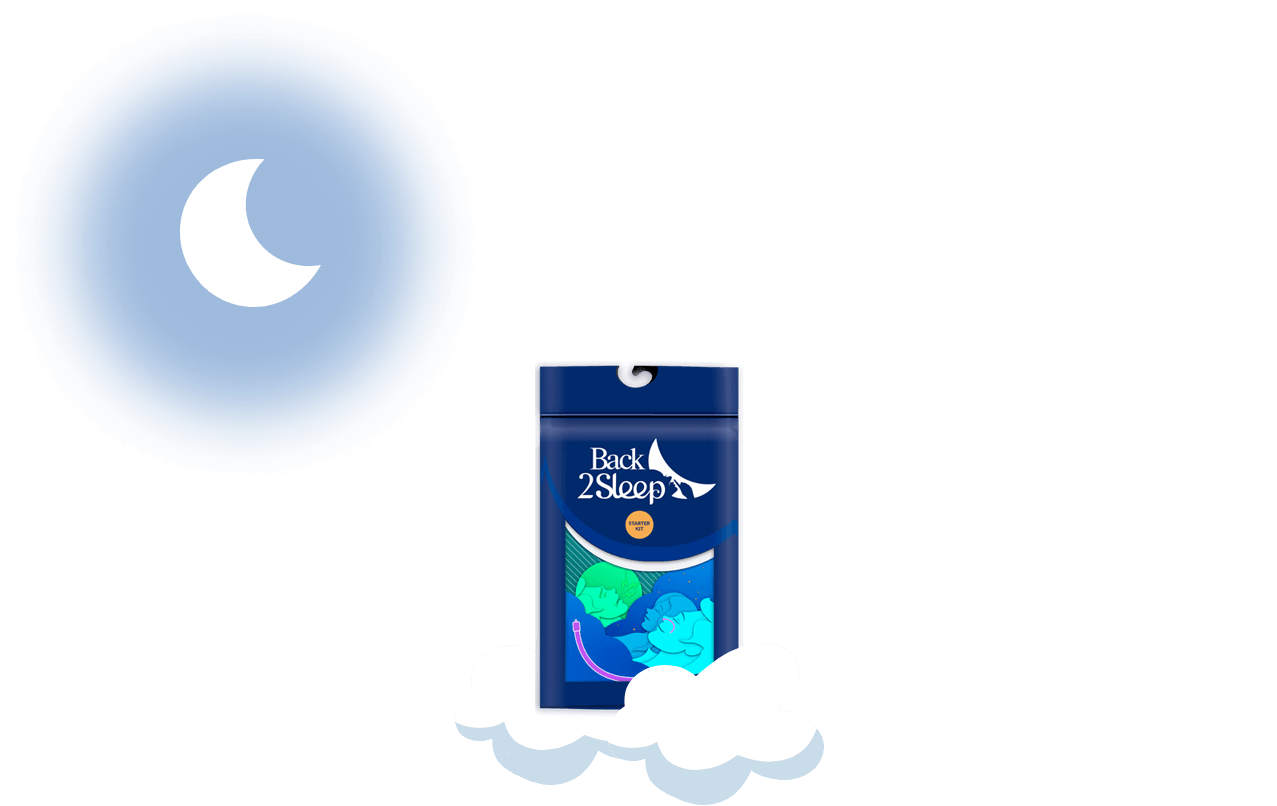
The starter kit includes all four sizes so you can find your perfect fit in the first week. Free 48-hour express delivery available. 15-day return policy if it is not right for you.
Order the Starter Kit — €44.90Have questions? Contact our team or visit our story to learn why over 1 million people trust this approach.