
Inspire Implant vs Nasal Dilator: Comparing Sleep Apnea Treatments

Inspire Implant vs Nasal Dilator: What Surgeons and Patients Won't Tell You
A $30,000 surgical implant versus a non-invasive nasal stent. STAR trial data, FDA recall history, real patient complications, and who actually qualifies for each treatment.
The Sleep Apnea Treatment Nobody Explains Honestly
The Inspire hypoglossal nerve stimulator dominates sleep apnea advertising. You have probably seen the commercials. A patient clicks a small remote before bed. The tongue stays forward. No mask. Problem solved. What the ads leave out is significant: the $30,000 to $65,000 price tag, the FDA Class 1 recall in 2024, the 42% reoperation rate found in adverse event data, and the strict eligibility criteria that disqualify most sleep apnea patients before they even walk into the surgeon's office.
Choose Your Size →On the other end of the spectrum sits the nasal stent — a soft silicone tube you insert in 10 seconds, costing under $50. It addresses a completely different patient population. Comparing these two treatments is not about declaring a winner. It is about understanding where you actually fall on the sleep apnea severity spectrum and which approach matches your diagnosis, your anatomy, and your budget.
This article breaks down what the STAR trial data actually shows, what patients report after living with the implant, who genuinely qualifies for Inspire, and why most people with sleep-disordered breathing need something far less invasive.
How the Inspire Implant Actually Works
The Inspire system is a hypoglossal nerve stimulator — a surgically implanted device that sends electrical pulses to the nerve controlling tongue movement. Three components get placed inside your body during a 2-3 hour outpatient surgery under general anesthesia:
Pulse Generator
A pacemaker-sized device implanted in the upper chest between ribs two and three. It contains the battery (lasting roughly 11 years) and the computer that times stimulation with your breathing cycle.
Stimulation Lead
A thin wire tunneled from the chest to the jaw, wrapping around the hypoglossal nerve. When activated, it pushes the tongue forward to prevent airway collapse during sleep.
Breathing Sensor
Placed between the ribs, this pressure sensor detects each breath. It tells the pulse generator exactly when to fire, synchronizing stimulation with your natural respiratory rhythm.
Patient Remote
A small handheld controller turns the device on at bedtime and off in the morning. Patients can also adjust stimulation intensity and pause therapy if needed during the night.
The surgery requires two to three incisions: one below the jawline, one near the collarbone, and sometimes one along the ribcage. Most patients go home the same day. But — and this is critical — the device stays off for a full month after surgery. Your body needs to heal before any stimulation begins. Only after that waiting period does your sleep specialist activate the implant and begin calibrating the settings.

What the STAR Trial Data Actually Shows
The STAR trial (Stimulation Therapy for Apnea Reduction) is the landmark study behind Inspire's FDA approval. It enrolled 126 CPAP-intolerant patients across multiple centers. The results are genuinely impressive for the right patient — but they come with important context that marketing materials consistently omit.
At five years, 97 of the original 126 participants remained in the study. Sleepiness and quality-of-life scores continued improving, with normalization rates climbing from 33% to 78% for sleepiness and 15% to 67% for quality of life. These are meaningful, sustained improvements.
But here is what you rarely hear: 22% of participants never reached an AHI below 15. Roughly one in five patients went through surgery, spent $30,000 or more, recovered for a month, and did not achieve the target outcome. The trial also excluded anyone with BMI above 32 (later expanded to 40 for FDA approval), anyone with concentric palatal collapse, and anyone whose apnea was primarily central rather than obstructive. The real-world patient population is far more varied than this carefully selected trial group.
Who Actually Qualifies for Inspire (and Who Does Not)
Inspire's marketing reach far exceeds its actual patient pool. The eligibility criteria are strict, and for good reason — the device only works for a specific type of airway obstruction. Here is the full qualification checklist:
| Requirement | Details |
|---|---|
| Diagnosis | Moderate-to-severe obstructive sleep apnea confirmed by polysomnography |
| AHI range | Between 15 and 100 events per hour (FDA-approved range) |
| Body mass index | Below 40 (FDA limit). Most insurers require below 32 or 35 |
| CPAP failure | Must have tried CPAP and documented inability to tolerate it |
| Airway anatomy | Must pass drug-induced sleep endoscopy (DISE) showing NO complete concentric collapse at the palate level |
| Apnea type | Central and mixed apneas must be less than 25% of total AHI |
| Age | 18 years or older (limited pediatric use for Down syndrome patients ages 13-18) |
| Other | No conditions that would compromise upper airway stimulation performance |
That DISE requirement alone eliminates a significant portion of candidates. Complete concentric collapse — where the soft palate closes like a drawstring — means the tongue-forward movement from Inspire cannot open the airway. Patients with this anatomy need a different surgical approach entirely.
Insurance adds another layer. While the FDA approved Inspire for BMI up to 40, most private insurers cap coverage at BMI 32 or 35. Medicare requires BMI below 35. Given that obesity is one of the primary risk factors for OSA, this rules out a large percentage of the people who need treatment most.
The True Cost of Inspire Over 10 Years
The sticker price of Inspire — the device plus surgery — runs between $30,000 and $65,000 depending on your hospital, surgeon, and geographic location. But that is not the full financial picture. Here are the costs that accumulate:
- Initial surgery: $30,000–$65,000 (device + procedure + anesthesia + facility fees)
- Insurance copay: $5,000–$15,000 out of pocket even with coverage. Medicare patients pay roughly $5,330 at outpatient surgical centers
- Battery replacement surgery: Required every 11 years. The Inspire V model may extend this, but it still means another outpatient procedure, another anesthesia session, and another recovery period
- Annual follow-ups: Sleep studies and device calibration appointments, typically $200–$500 per visit
- Potential revision surgery: If the lead migrates, the device malfunctions, or stimulation settings cannot achieve adequate results, additional surgery may be needed
For comparison, a Back2Sleep nasal stent yearly subscription costs €285 per year. Over 10 years, that totals roughly €2,990 — a fraction of the out-of-pocket cost of Inspire, even with insurance. Obviously, these devices serve different severity levels. But for the millions of people with snoring or mild-to-moderate OSA, the non-invasive option eliminates every surgical risk at a tiny fraction of the price.
Complications, Adverse Events, and the 2024 FDA Recall
Every surgical implant carries risk. What matters is knowing the real numbers, not just the marketing-friendly ones. Here is what post-market data reveals about Inspire complications:
Infection: 34.2%
The most commonly reported adverse event in FDA MAUDE database reviews. Ranges from minor incision-site infections to deeper implant infections requiring device removal.
Nerve Damage: 15.1%
Neuropraxia — temporary or permanent nerve injury — can cause tongue weakness, altered sensation, or difficulty swallowing. Most cases resolve, but some persist.
Reoperation: 42.3%
Nearly half of all reported adverse events required additional surgery. This includes device repositioning, lead revision, and complete explantation (device removal).
2024 Class 1 Recall
The FDA issued its most serious recall category for Inspire models 3028 and 3024. Manufacturing defects caused electrical leakage and painful shocks, even when the device was turned off.
Context matters here. The 42.3% reoperation figure comes from reported adverse events, not the total implant population. Most Inspire patients never file an adverse event report. The STAR trial's controlled environment showed less than 2% serious adverse events. Real-world outcomes fall somewhere between those two numbers. But the gap between "less than 2%" and "42% of reported problems needed more surgery" is wide enough that patients deserve to understand both figures before consenting.
What Patients Actually Report After Living With Inspire
Clinical trial data tells one story. Living with an implanted nerve stimulator tells another. Patient forums, FDA adverse event reports, and independent review platforms reveal a mixed but telling picture.
The split is real. 95.6% satisfaction on RealPatientRatings across 422 verified reviews. Yet the FDA's own database contains reports of painful shocks, nerve damage requiring revision, and patients who discontinued use entirely. One patient described the stimulation as "literally a torture" that made sleep impossible. Another reported a 4.5-inch throat incision that had not healed four months after surgery, accompanied by severe vertigo episodes.
The tongue sensation — a light pulsing or tingling — is the most common adjustment challenge. Most patients adapt within two to three weeks. But "most" is not "all." Some find the electrical sensation disruptive enough that they turn the device off, defeating its purpose.
Inspire vs Genio: Two Competing Nerve Stimulators
Inspire is not the only hypoglossal nerve stimulator on the market. Nyxoah's Genio system received FDA approval based on its DREAM trial data, and it takes a fundamentally different surgical approach. If you are considering nerve stimulation, understanding both options matters.
| Feature | Inspire | Genio (Nyxoah) |
|---|---|---|
| Stimulation type | Unilateral (one side of tongue) | Bilateral (both sides of tongue) |
| Incisions | 2–3 (chest, jaw, ribs) | 1 (under the chin only) |
| Breathing sensor | Implanted pressure sensor between ribs | No implanted sensor; uses duty cycle timing |
| Battery | Internal battery (~11 years), surgical replacement | External power source, no battery replacement surgery |
| Pneumothorax risk | Documented in post-market reports | No chest incision, zero pneumothorax risk |
| AHI reduction | 68% median (STAR trial, 12 months) | AHI 28.0 to 12.9 (54% reduction, DREAM trial, 12 months) |
| DISE required | Yes — concentric collapse disqualifies | No DISE requirement |
| FDA approval | 2014 (expanded indications since) | Approved based on DREAM trial data |
Genio's single-incision approach and external battery eliminate two of Inspire's biggest concerns: chest surgery complications and the eventual battery replacement procedure. However, Inspire's closed-loop breathing sensor provides more precise stimulation timing. Neither device has proven decisively superior in head-to-head trials yet — study populations have been too small for definitive comparison.
The Treatment Ladder: Where Each Option Fits
Sleep medicine specialists do not jump straight to surgery. The established clinical approach follows a severity-based treatment ladder — starting with the least invasive, least expensive options and escalating only when they prove insufficient. Here is where the Inspire implant and nasal stents actually sit in that hierarchy:
Lifestyle Modifications
Weight management, positional therapy, alcohol avoidance, sleep hygiene. First-line for mild OSA. No cost, no devices.
Non-Invasive Devices
Nasal stents, oral appliances, mandibular advancement devices. For snoring and mild-to-moderate OSA. No surgery required.
CPAP / BiPAP Therapy
Gold standard for moderate-to-severe OSA. Highly effective when tolerated. 29–83% of patients use it less than 4 hours per night.
Surgery & Implants
Inspire, Genio, UPPP, or MMA surgery. Reserved for severe cases that have failed Steps 1–3. Requires specialist evaluation.
The critical point: most people with sleep-disordered breathing fall into Steps 1 or 2. Snoring without significant apnea, mild OSA with AHI under 15, and even moderate cases often respond well to non-invasive approaches. Surgery is the last resort, not the first choice — no matter how compelling the advertising.
Start With Step 2 — No Surgery Required
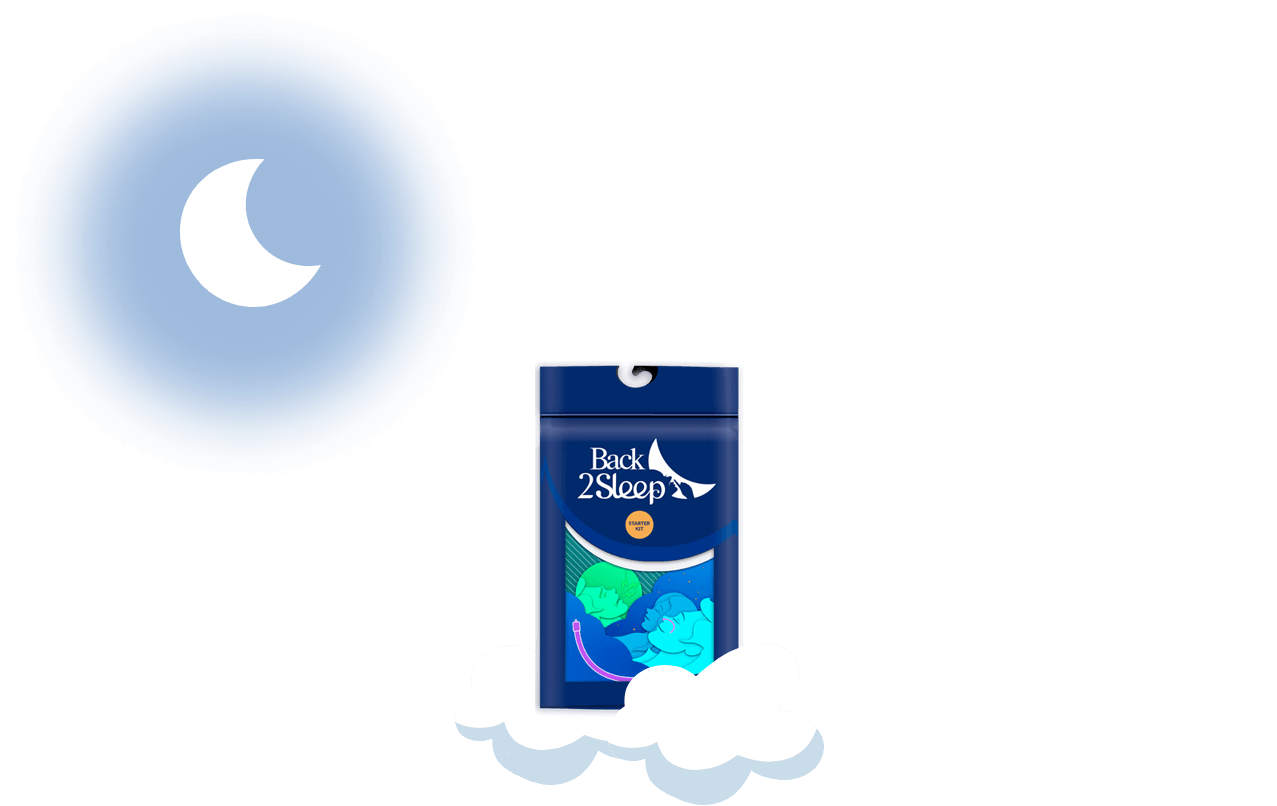
The Back2Sleep nasal stent addresses snoring and mild-to-moderate OSA from night one. Four sizes in every starter kit. Clinically backed. Under €45.
Get Your Starter Kit — €44.90Inspire vs Nasal Stent: Complete Head-to-Head Comparison
| Factor | Inspire Implant | Nasal Stent (Back2Sleep) |
|---|---|---|
| Mechanism | Electrical stimulation of hypoglossal nerve pushes tongue forward | Soft silicone tube maintains nasal airflow to the soft palate |
| Target severity | Moderate-to-severe OSA (AHI 15–100) | Snoring and mild-to-moderate OSA |
| Invasiveness | General anesthesia, 2–3 incisions, implanted hardware | 10-second self-insertion, completely non-invasive |
| Upfront cost | $30,000–$65,000 | €44.90 (starter kit with 4 sizes) |
| Ongoing cost | Annual follow-ups + battery replacement surgery every 11 years | €34/month or €285/year subscription |
| Recovery | 2–4 weeks healing, device activated after 30 days | Immediate use, 3–5 day comfort adaptation |
| Effectiveness data | 68% AHI reduction (STAR trial, 126 patients) | REI reduction 22.4 to 15.7 (p<0.01), SpO2 improvement (p<0.01) |
| Satisfaction | 95.6% (422 verified reviews) | 92% user satisfaction, 1M+ units sold |
| Reversibility | Requires surgical removal | Stop anytime, fully reversible |
| Travel | Implanted (always with you), but metal detector alerts | Pocket-sized, no electronics, no security issues |
| Prescription | Required: sleep study + ENT evaluation + DISE | No prescription needed |
| MRI compatibility | Limited — varies by model, full-body MRI may be restricted | No restrictions whatsoever |
The Science Behind Internal Nasal Stents
A 2024 systematic review and meta-analysis pooling data from 17 studies and 496 participants examined nasal dilators for sleep-disordered breathing. The findings clarify an important distinction: simple external nasal strips (like Breathe Right) show no statistically significant AHI improvement. But internal nasal stents that extend to the soft palate — like Back2Sleep — work through a different mechanism entirely.
Back2Sleep does not just widen the nostril opening. The stent reaches from the nostril to the soft palate, physically preventing the tissue vibration and partial collapse that generates snoring and mild obstructive events. Clinical data shows:
- REI reduction: 22.4 ± 14.1 to 15.7 ± 10.4 (p<0.01) — a statistically significant drop in respiratory events
- SpO2 improvement: Lowest oxygen saturation rose from 81.9% to 86.6% (p<0.01) — meaning less dangerous oxygen dipping during sleep
- Immediate onset: Most users report reduced snoring from the very first night of use
- Four sizes available: The starter kit includes S, M, L, and XL to match individual nasal anatomy
The adaptation period mirrors getting used to contact lenses — 3 to 5 days of mild awareness, then the sensation fades. Unlike CPAP, there are no straps, no hoses, no electricity, and no noise. Unlike Inspire, there is no surgery, no anesthesia, and no implanted hardware.
Making the Right Decision for Your Situation
Inspire Makes Sense When
You have severe OSA with AHI above 15, you have genuinely tried CPAP for months and cannot tolerate it, your BMI is under 35 (for insurance) or 40 (FDA limit), and your DISE shows no concentric palatal collapse. You understand the surgical risks and can afford the out-of-pocket costs.
A Nasal Stent Makes Sense When
You have snoring or mild-to-moderate OSA, you want to try a non-invasive solution first, you travel frequently and need something portable, you want to avoid surgical risks entirely, or you are exploring treatment options before committing to something permanent.
Bridge Treatment Strategy
Waiting months for an Inspire evaluation? A nasal stent works as an effective bridge treatment — no prescription, no waiting list, immediate use while you go through the surgical qualification process.
Red Flags to Watch For
Be skeptical of any provider who pushes surgery without first trying conservative options. The treatment ladder exists for a reason. Get a second opinion if Inspire is recommended without exhausting less invasive alternatives. Visit a pharmacy near you to discuss options.