
Nasal Valve Collapse: The Hidden Cause of Snoring Nobody Talks About

Nasal Valve Collapse: The Overlooked Cause of Snoring When Breathing Strips Fail
Up to 13% of adults have nasal valve dysfunction—yet most never receive a proper diagnosis. If breathing strips barely work and your snoring persists, a collapsing nasal valve may be the real culprit.
What Is Nasal Valve Collapse—and Why Does It Matter for Snoring?
Nasal valve collapse is a structural narrowing inside your nose that restricts airflow through one or both nostrils. The nasal valve sits in the middle portion of each nasal passage and functions as the narrowest point of your entire airway. When the cartilage or tissue supporting this valve weakens, it buckles inward during breathing—especially when you inhale deeply or lie down to sleep.
According to the Cleveland Clinic, nasal valve collapse represents one of the most common causes of nasal obstruction treated by ear, nose, and throat (ENT) specialists. Yet many people live with it for years without knowing the name of their condition. They try decongestant sprays, allergy medications, and external breathing strips—and wonder why nothing fully resolves their nighttime breathing problems.
Here is the connection most people miss: when your nasal valve collapses during sleep, your body compensates by mouth breathing. Mouth breathing relaxes the soft palate and throat tissues, causing them to vibrate. That vibration is snoring. So the root cause may not be your throat at all—it may be your nose.
- The nasal valve is the narrowest segment of the nasal airway and controls the greatest proportion of airflow resistance
- When it collapses, you shift to mouth breathing—which directly triggers snoring
- Standard allergy treatments and decongestants do not address a structural problem

Internal vs. External Nasal Valve: Two Different Problems
Your nose actually contains two distinct valves, and they collapse in different ways. Understanding which one affects you determines which treatment will actually work.
Internal Nasal Valve (INV)
Located in the mid-nose where the upper lateral cartilage meets the septum. This is the narrowest point of the nasal airway. INV collapse is the most common form and is caused by weak cartilage, a deviated septum, or enlarged turbinates. Often invisible from outside.
External Nasal Valve (ENV)
Located near the nostrils where the alar cartilage forms the nostril rim. ENV collapse is rarer and more visibly noticeable—you may see your nostrils pinch shut during a deep breath. Caused by thin or weak alar cartilage.
A 2019 study published in Acta Otorhinolaryngologica Italica found that patients with bilateral nasal valve incontinence had significantly worse oxygen levels during sleep. Their lowest overnight oxygen saturation dropped to 70.9%, compared to 80.9% in patients with unilateral or no valve problems (p=0.050). Their apnea-hypopnea index (AHI) also trended higher at 47.5 events per hour versus 26.7.
In practical terms: if both sides of your nasal valve are compromised, your snoring and sleep-disordered breathing are likely far more severe than you realize.
Symptoms of Nasal Valve Collapse—and a Simple Self-Test
Nasal valve collapse mimics several other conditions, which is partly why it goes undiagnosed so often. You may have been told you have chronic allergies, a deviated septum, or "just" bad congestion. But if the following symptoms sound familiar, your nasal valve deserves a closer look.
Common Symptoms
- Persistent nasal congestion that doesn't respond to sprays or antihistamines
- Difficulty breathing through the nose, especially when exercising or lying down
- Chronic mouth breathing during the day or at night
- Snoring that worsens when sleeping on your back
- A feeling of the nose "closing off" or "pinching shut" during deep inhalation
- Visible thinning or asymmetry on one side of the nose
- Worsening nasal obstruction after previous nose surgery
Many people describe nasal valve collapse as feeling like "breathing through a straw" or "a door that keeps closing every time I take a deep breath." One common patient experience: breathing feels fine during the day but deteriorates noticeably at night when lying flat.
The Modified Cottle Maneuver: A Home Test
ENT specialists use a test called the Cottle maneuver to screen for nasal valve collapse. You can try a simplified version at home:
- Stand in front of a mirror
- Place one or two fingertips on your cheek, just beside the nose
- Gently pull your cheek outward (away from the nose)
- Breathe in through that nostril
- If breathing instantly improves, your nasal valve is likely part of the problem
- Repeat on the other side
Who Is at Risk? Causes and Contributing Factors
Nasal valve collapse isn't random. Specific anatomical, medical, and lifestyle factors increase your risk. Understanding yours helps guide you toward the right solution.
Aging
Nasal cartilage naturally weakens with age. The upper lateral cartilages lose structural integrity, making the internal valve more prone to collapse during inspiration.
Previous Nose Surgery
Rhinoplasty or septoplasty can inadvertently weaken cartilage supports. Nasal valve collapse is implicated in up to 95% of nasal obstruction cases that occur after septoplasty.
Nasal Trauma
A broken nose—even one that healed decades ago—may have damaged the cartilage framework supporting the nasal valve. Scar tissue can add further restriction.
Chronic Inflammation
Allergies, sinusitis, and repeated nasal irritation cause tissue thinning and inflammation of the supporting structures, increasing collapse probability over time.
A deviated septum is present in most patients with nasal valve collapse, according to the Cleveland Clinic. The two conditions frequently coexist and compound each other. If one side of your septum pushes into the valve area, it narrows the already-tight passageway further.
Other factors that can temporarily worsen nasal valve function include weight gain (which increases soft-tissue bulk around the airway), alcohol consumption before bed, and sleeping on your back.
How Nasal Valve Collapse Directly Causes Snoring
The mechanism linking nasal valve collapse to snoring is straightforward—but often overlooked in favor of throat-focused explanations.
When the nasal valve narrows or collapses:
- Nasal resistance increases. The valve area controls up to half of total nasal airflow resistance. Even a 1-2mm reduction in its opening significantly increases the work of breathing.
- Mouth breathing begins. Your brain automatically routes airflow through the mouth to compensate for nasal obstruction.
- Throat tissues relax. Mouth breathing changes tongue position and relaxes the soft palate, uvula, and pharyngeal walls.
- Vibration produces snoring. Relaxed tissues vibrate as air passes through the narrowed oropharyngeal space.
This chain reaction explains why many snorers feel their problem is "in the throat" when the trigger is actually in the nose. It also explains why throat-focused anti-snoring devices—like mandibular advancement splints—provide only partial relief for some people.
Research published in Acta Otorhinolaryngologica Italica confirmed this connection in a clinical setting. In a study of 41 snoring patients, both internal and external nasal dilators significantly reduced snoring time compared to baseline. However, the internal nasal dilator (Nas-air) was effective in a larger number of subjects and produced better sleep quality perception than external strips (p<0.05).
Discover the Back2Sleep Nasal StentNasal Valve Collapse Treatment Options Compared
Treatment ranges from simple, over-the-counter solutions to minimally invasive procedures and surgery. The right choice depends on severity, anatomy, and whether the collapse is dynamic (happens only during breathing) or static (present all the time).
| Treatment | How It Works | Effectiveness | Cost Range | Best For |
|---|---|---|---|---|
| Internal nasal stent | Soft silicone tube placed inside the nostril; holds the valve open from within | Up to 38% airflow increase; significant snoring reduction in clinical trials | €35–39/month | Mild to moderate dynamic collapse; snorers; travel-friendly |
| External nasal strips | Adhesive strip placed across the nose bridge; pulls nostrils outward | Documented cross-sectional area increase; limited for internal valve issues | €5–15/month | External valve collapse; temporary relief; exercise |
| Internal nasal dilators | Reusable clip or cone placed inside each nostril | Effective in more subjects than strips; better sleep quality ratings | €15–40 (reusable 3–6 months) | Moderate dynamic collapse; nightly use |
| VivAer (radiofrequency) | In-office procedure; radiofrequency energy reshapes nasal valve cartilage | Significant NOSE score improvement; 1-year durability | €1,500–3,000 | Moderate to severe; patients wanting a lasting fix without open surgery |
| Latera implant | Absorbable implant placed inside the nasal wall to support the valve | Clinically demonstrated improvement; absorbs over 18 months | €2,000–4,000 | Internal valve collapse; patients avoiding cartilage grafting |
| Alar batten graft surgery | Cartilage from the ear or rib is grafted to reinforce the nasal sidewall | Most durable solution for severe structural collapse | €4,000–10,000+ | Severe static collapse; failed conservative treatment |
Real Experiences: What Living with Nasal Valve Collapse Feels Like
Medical data tells one side of the story. Real experiences tell the other. People with nasal valve collapse often go through years of misdiagnosis, frustration, and ineffective treatments before finding out what is actually happening inside their nose.
Individual results may vary. These experiences reflect personal accounts and should not be taken as guaranteed outcomes. Consult a healthcare professional for personalized advice.
A recurring theme across patient experiences: the relief of finally having a name for their condition. Many spent years rotating through allergy treatments, decongestants, and even anxiety medication for their sleep problems—without anyone examining the structural integrity of their nasal valve.
Try the Back2Sleep Starter KitWhy Nasal Valve Collapse Gets Missed by Doctors
If nasal valve collapse is so common, why do so many people go undiagnosed? Several factors contribute to this diagnostic blind spot.
1. The Standard Physical Exam Doesn't Reveal It
A routine nasal examination with a headlight and speculum often misses internal valve collapse. The valve area sits deeper inside the nose than what's visible during a basic office visit. Nasal endoscopy—using a thin, flexible camera threaded into the nasal passage—is required for a reliable assessment.
2. The Cottle Test Creates False Confidence
The Cottle maneuver is the traditional screening test, but research has exposed a serious flaw. A study published in JAMA Facial Plastic Surgery found that 97 out of 100 healthy volunteers reported improved airflow with the Cottle maneuver—regardless of whether they had valve problems. The test's specificity is extremely low, meaning a positive result tells you almost nothing.
3. Symptoms Overlap with Other Conditions
Nasal valve collapse presents with congestion, difficulty breathing, and snoring—the same symptoms caused by allergies, sinusitis, deviated septum, and enlarged turbinates. Without specific training in nasal valve assessment, many general practitioners default to treating these more common diagnoses first.
4. It Worsens Gradually
Because cartilage weakening happens slowly over years, patients don't notice a dramatic change. They adapt to increasingly restricted breathing and accept their snoring as "just how they are." By the time they seek help, the valve dysfunction has been present for years.
- Request a nasal endoscopy rather than relying on external examination alone
- Ask specifically about internal and external nasal valve function
- Mention if breathing strips provide only partial relief—this suggests the obstruction is internal
- Bring up any history of nose injury or nasal surgery
Nasal Valve Collapse and CPAP: A Common but Overlooked Complication
For patients with obstructive sleep apnea, CPAP therapy is the gold standard. But nasal valve collapse creates a specific problem: the positive air pressure from CPAP can actually make the valve collapse further.
Here is how it happens: CPAP delivers pressurized air through the nose. If your nasal valve cartilage is already weak, the increased nasal pressure can push the valve walls inward rather than holding them open. The result? Increased nasal resistance, mouth leaking, dry throat—and eventually, many patients remove their CPAP mask during the night.
Research from Acta Otorhinolaryngologica Italica confirmed that nasal obstruction—specifically nasal valve dysfunction—is a common problem in OSAS patients using CPAP. Their study found that internal nasal dilation significantly improved respiratory parameters and sleep quality in these patients.
This is why some sleep physicians now recommend using an internal nasal stent alongside CPAP for patients with identified valve collapse. The stent holds the valve open, allowing CPAP pressure to pass through the nose effectively rather than fighting against a collapsing structure.
How an Internal Nasal Stent Addresses Valve Collapse
An internal nasal stent works by physically holding the nasal valve open from the inside—directly counteracting the collapse mechanism. Unlike external strips that pull from outside, the stent sits within the nasal passage and provides structural support exactly where the valve narrows.
How Back2Sleep Works for Nasal Valve Collapse
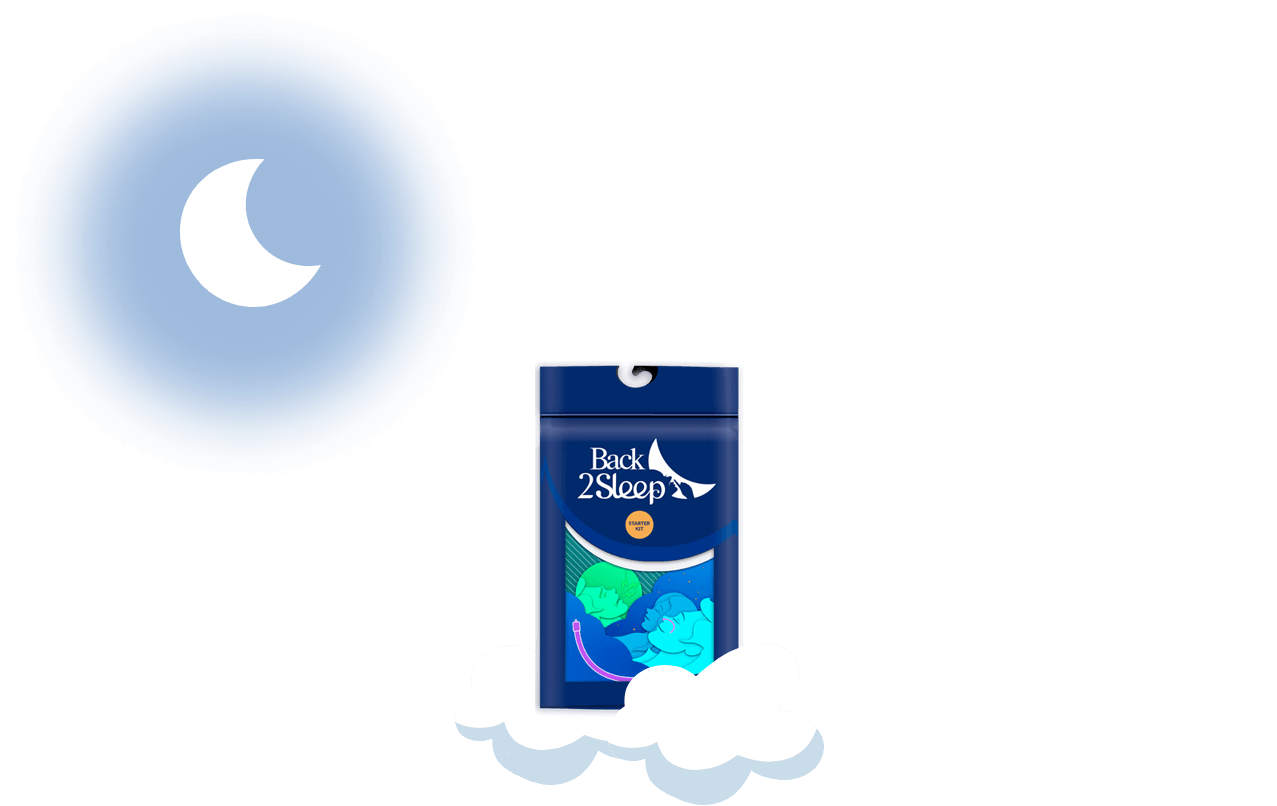
The Back2Sleep nasal stent is a soft, medical-grade silicone tube that inserts into one nostril in about 10 seconds. It extends from the nostril opening past the nasal valve area to the soft palate, maintaining an open airway throughout the night. Key features for valve collapse sufferers:
- Directly stents the internal nasal valve—the most common collapse site
- Soft silicone flexes with natural breathing movements
- Four sizes (S, M, L, XL) accommodate different nasal anatomies
- CE-certified medical device for anti-snoring use
- No electricity, no straps, no adhesives
- Compact enough for travel without any equipment
Clinical Context
A clinical study on internal nasal dilation found that participants experienced significant improvements in both snoring time and sleep quality. In research comparing internal and external dilators across 41 patients, internal devices were effective in a larger number of subjects and produced better perceived sleep quality (p<0.05). Separate research on nasal airway stents demonstrated that use significantly reduced snore volume, with the percentage of time spent snoring above 50 dB dropping from 21.8% to 13.4% post-treatment.
When to See an ENT Specialist
While non-invasive options like internal nasal stents may help manage symptoms of mild to moderate nasal valve collapse, certain situations warrant a visit to an ENT (otolaryngologist):
- Breathing difficulty persists despite using nasal dilators or stents—you may have a combined problem (deviated septum + valve collapse) requiring surgical correction
- You have a history of nasal surgery and symptoms appeared afterward—post-surgical valve collapse affects up to 95% of patients with obstruction after septoplasty
- Your partner reports apnea episodes (gasping, choking, or breathing pauses during sleep)—this suggests obstructive sleep apnea that needs a sleep study
- Visible nasal asymmetry or deformity that worsens with breathing
- Chronic nosebleeds alongside nasal obstruction
An ENT specialist can perform nasal endoscopy, acoustic rhinometry, and rhinomanometry to precisely identify where and why your airway is narrowing. This matters because treatment for internal valve collapse differs from external valve collapse, and both differ from septal deviation.
Lifestyle Strategies That Support Nasal Valve Function
While nasal valve collapse is a structural issue, several lifestyle factors can influence how severely it affects your breathing and snoring. These strategies won't fix the collapse itself, but they can reduce the additional burden on an already compromised nasal airway.
Sleep Position
Sleeping on your back worsens nasal valve collapse because gravity pulls the soft tissues downward and narrows the airway further. Side sleeping reduces this gravitational effect. If you tend to roll onto your back, a positional therapy approach may help.
Weight Management
Excess weight increases soft tissue bulk around the upper airway and can worsen both nasal congestion and pharyngeal collapse. Even modest weight loss of 5–10% of body weight has been shown to reduce snoring severity.
Humidity and Nasal Hygiene
Dry air causes nasal mucosa to swell, further narrowing the valve area. Using a humidifier in the bedroom (especially during winter) and performing saline nasal irrigation before bed can reduce mucosal swelling and improve nasal patency.
Avoid Alcohol Before Bed
Alcohol relaxes the muscles supporting the nasal valve and the throat. For someone with borderline valve collapse, a glass of wine before bed can be the difference between quiet sleep and loud snoring.
Manage Allergies Actively
Allergic rhinitis causes chronic inflammation that weakens nasal valve cartilage over time. If you have allergies, consistent management with appropriate medication reduces the ongoing inflammatory damage to your nasal structures.
Frequently Asked Questions About Nasal Valve Collapse
What does nasal valve collapse feel like?
Most people describe it as a sensation of the nose "pinching shut" or "closing off" when breathing in deeply. It may feel like breathing through a narrow straw. Symptoms typically worsen when lying down, during exercise, or when taking a deep breath. Unlike congestion from a cold, it does not produce mucus—it is a structural blockage rather than an inflammatory one.
Can nasal valve collapse cause sleep apnea?
Nasal valve collapse does not directly cause obstructive sleep apnea, but it can significantly worsen it. Research shows that patients with bilateral nasal valve incontinence have more severe respiratory patterns during sleep, with lower oxygen levels and higher apnea-hypopnea index scores. It can also make CPAP therapy less effective by increasing nasal resistance to the positive airway pressure.
How is nasal valve collapse officially diagnosed?
The most reliable method is nasal endoscopy, where an ENT specialist threads a thin flexible camera into the nasal passage to directly visualize the valve during breathing. This may be combined with acoustic rhinometry or four-phase rhinomanometry for objective measurements. The Cottle maneuver (pulling the cheek sideways) is a quick screening tool but has a very high false-positive rate—up to 97% of healthy people test positive—so it should not be relied upon alone.
Do external breathing strips work for nasal valve collapse?
External nasal strips (like Breathe Right) can provide some relief for external nasal valve collapse but are less effective for internal valve problems. Clinical studies show that internal nasal dilators are effective in a larger number of patients and produce better sleep quality perception. If strips give you only partial relief, an internal nasal stent that directly supports the internal valve may provide better results.
Can nasal valve collapse be fixed without surgery?
Yes, many patients with mild to moderate dynamic nasal valve collapse find adequate relief through non-surgical options. Internal nasal stents, internal nasal dilators, and certain nasal exercises can manage symptoms effectively. Surgery (such as alar batten grafting or Latera implants) is typically reserved for severe static collapse or cases that do not respond to conservative treatment.
How common is nasal valve collapse?
Nasal valve dysfunction affects up to 13% of the general adult population. Among patients who specifically present with nasal obstruction, the prevalence jumps to approximately 67%. It is considered one of the most common causes of nasal obstruction by the Cleveland Clinic. The condition is likely underdiagnosed because it mimics allergies and other nasal problems.
Is the Back2Sleep nasal stent suitable for nasal valve collapse?
The Back2Sleep nasal stent is a CE-certified Class I medical device designed to maintain nasal airway patency and reduce snoring. It works by physically holding the nasal passage open from the inside, which directly addresses the narrowing caused by nasal valve collapse. The Starter Kit (€44.90) includes four sizes for a personalized fit. It may help with mild to moderate dynamic valve collapse, though severe structural collapse may require evaluation by an ENT specialist.
Stop Letting a Collapsing Nasal Valve Control Your Sleep
Nasal valve collapse is one of the most common—and most commonly missed—causes of chronic snoring and nasal obstruction. If you have tried allergy sprays, decongestants, and external breathing strips without lasting relief, the problem may be structural. An internal nasal stent addresses the collapse where it actually occurs: inside the nose.
The Back2Sleep Starter Kit gives you four sizes to find your perfect fit over 15 nights. It is discreet, travel-friendly, and requires no electricity or straps. Over one million units sold with a 92% satisfaction rate.
Order Your Starter Kit—€44.90 Explore the FAQ