
Sleep Apnea and Heart Disease: What Every Patient Must Know

Sleep Apnea & Heart Disease: The Hidden Link That May Save Your Life
Obstructive sleep apnea raises heart failure risk by 140% and stroke risk by 60%. Learn how repeated breathing pauses silently damage your cardiovascular system — and what you can do about it starting tonight.
Sleep Apnea & Cardiovascular Risk: The Numbers
Sleep apnea and heart disease are connected far more closely than most people realise. If you snore heavily or wake up gasping, your heart may already be under strain. Obstructive sleep apnea (OSA) causes your airway to collapse dozens of times per hour during sleep. Each collapse starves your blood of oxygen and triggers a surge of stress hormones.
Over months and years, that nightly cycle damages blood vessels, raises blood pressure, and remodels the heart itself. The research is clear: untreated OSA is an independent risk factor for cardiovascular disease — as serious as smoking or high cholesterol.
Sources: American Heart Association Scientific Statement, Circulation 2021; Sleep Heart Health Study, AJRCCM 2010; Sleep Foundation 2025.
- Untreated sleep apnea doubles your risk of a future heart attack (AHA).
- Up to 80% of moderate-to-severe cases remain undiagnosed.
- Treating sleep-disordered breathing may help reduce cardiovascular strain over time.
How Sleep Apnea Damages Your Heart — Step by Step
Understanding the mechanism matters. When your airway collapses during sleep, your body launches a stress response that affects nearly every part of the cardiovascular system.
1. Oxygen Drops & Adrenaline Surges
Each breathing pause lowers blood oxygen. Your brain detects the drop and floods the body with epinephrine (adrenaline). Heart rate spikes. Blood pressure shoots up. This can happen 30 times per hour or more in severe OSA.
2. Chronic High Blood Pressure
Repeated adrenaline surges keep the sympathetic nervous system in overdrive even during the day. A 2024 review in Hypertension Research confirmed that sympathetic activation from intermittent hypoxia is the primary driver of elevated blood pressure in OSA patients. A Scripps Research study (December 2025) found that people whose sleep varied by just one hour nightly had 2× the risk of sleep apnea and were 71% more likely to have hypertension.
3. Blood Vessel Damage
Constant pressure fluctuations damage the inner lining of arteries (the endothelium). Harmful LDL cholesterol builds up in these damaged spots, forming plaque. Over time, arteries stiffen and narrow — the hallmark of atherosclerosis.
4. Heart Remodelling
The heart muscle itself changes shape. Forced inspiration against a closed airway increases cardiac afterload. The left ventricle thickens. The atria stretch and enlarge. These structural changes set the stage for arrhythmias and heart failure.
5. Nighttime Cardiovascular Events
A groundbreaking 2025 OHSU study published in the Journal of the American Heart Association found that the circadian system impairs blood vessel function in sleep apnea patients — with maximum impairment around 3 a.m. This helps explain why people with OSA are more likely to experience heart attacks and strokes during sleep, unlike the general population.

5 Heart Conditions Linked to Obstructive Sleep Apnea
Sleep apnea does not cause just one type of heart problem. It contributes to a spectrum of cardiovascular conditions. Here is what the research shows.
Hypertension
OSA is present in 40–80% of patients with resistant hypertension. Nighttime oxygen drops keep blood pressure elevated around the clock.
Atrial Fibrillation
About 50% of AFib patients also have OSA. Atrial stretching and autonomic imbalance create the perfect environment for irregular heartbeat.
Heart Failure
OSA raises heart failure risk by 140%. Repeated afterload increases and hypoxia accelerate myocyte damage and adverse cardiac remodelling.
Coronary Artery Disease
Endothelial damage and chronic inflammation from untreated OSA accelerate plaque build-up in coronary arteries, raising heart attack risk.
Stroke: A Major Risk
The Sleep Heart Health Study found that patients with an AHI of 20 or above had 4.3× greater odds of stroke compared to those without sleep apnea. A separate study in the New England Journal of Medicine reported that severe OSA nearly doubled the risk of stroke or death (hazard ratio 1.97), independent of age, sex, smoking, and BMI.
After a stroke, the connection goes both ways: up to 70% of stroke survivors are found to have OSA, compared to roughly 30% in the general population. Treating sleep-disordered breathing after stroke may support better recovery outcomes.
Explore the Back2Sleep Starter KitLatest Research: 2025–2026 Findings
Sleep medicine moves fast. Here are the most important recent discoveries connecting sleep apnea to heart health.
Combined Insomnia & Sleep Apnea (COMISA) — February 2026
A Yale School of Medicine study analysed data from nearly 1 million U.S. veterans and found that adults with both insomnia and OSA (a condition called COMISA) face significantly higher risks of hypertension and cardiovascular disease than those with only one condition.
Circadian Rhythm & Nighttime Heart Risk — November 2025
Oregon Health & Science University researchers discovered that the circadian system itself impairs blood vessel function overnight in OSA patients. Blood vessel function hit its lowest point around 3 a.m. — even when patients were awake. This is the first study to show a circadian-driven vascular impairment specific to sleep apnea.
Sleep Variability & Hypertension — December 2025
Scripps Research found that inconsistent sleep duration — varying by just one hour from night to night — more than doubled the risk of having sleep apnea and raised hypertension risk by 71%. Consistent bedtimes may be a simple but powerful cardiovascular protective factor.
CPAP Benefit Depends on Risk Profile — 2025
A Mass General Brigham analysis showed that positive airway pressure therapy reduced cardiovascular risk by about 17% in high-risk patients, but was associated with increased risk in low-risk patients. This suggests that treatment decisions should be personalised based on individual cardiovascular risk profiles.
Who Is Most at Risk? Recognising the Warning Signs
Sleep apnea can affect anyone. However, certain groups face higher cardiovascular risk from untreated OSA.
High-Risk Groups
- Men over 40 — OSA prevalence is roughly 34% in adult men (Sleep Foundation).
- Women after menopause — Hormonal changes increase OSA risk; 17% of adult women are affected.
- People with obesity — A 10% weight gain increases OSA risk sixfold. Between 60–90% of OSA patients are overweight or obese.
- Patients with existing heart conditions — OSA is present in 40–80% of those with hypertension, heart failure, AFib, or coronary artery disease.
- Family history — Genetic factors influence airway anatomy and central breathing control.
Warning Signs to Watch For
- Loud, habitual snoring (often reported by a partner)
- Witnessed breathing pauses during sleep
- Gasping or choking during the night
- Waking with a dry mouth or morning headache
- Excessive daytime sleepiness despite enough hours in bed
- Difficulty concentrating or memory problems
- Unexplained high blood pressure or night sweats
- Snoring loudly?
- Tired during the day?
- Observed breathing pauses?
- Pressure (blood) treated?
- BMI above 35?
- Age over 50?
- Neck circumference above 40 cm?
- Gender male?
Scoring 3 or more “yes” answers suggests higher risk. Consult your doctor for a proper evaluation.
Real Patient Experiences: When Snoring Became a Heart Problem
Statistics tell part of the story. Real experiences tell the rest. These accounts come from verified sleep apnea patients and Back2Sleep users.
Sleep specialists often report that patients dismiss snoring as a nuisance rather than a health risk. But as one staff testing diary noted: “The walls were shaking — it could be heard up to the 2nd floor.” That level of airway obstruction places serious mechanical and chemical stress on the cardiovascular system every night.
Treatment Options for Sleep Apnea & Heart Protection
Treating sleep-disordered breathing may help reduce the cardiovascular burden over time. Here is how the main options compare.
| Treatment | How It Works | Cardiovascular Evidence | Comfort & Adherence |
|---|---|---|---|
| Internal Nasal Stent | Soft silicone tube inserted in the nostril; reaches the soft palate to maintain airflow | Clinical data shows REI reduction from 22.4 to 15.7 (p<0.01) and SpO2 improvement | 92% user satisfaction; inserts in 10 seconds; silent and portable |
| CPAP Machine | Pressurised air via mask keeps the airway open continuously | Reduces cardiovascular risk by ~17% in high-risk patients (Mass General Brigham 2025) | Gold standard efficacy; adherence often 40–60% due to discomfort |
| Mandibular Advancement Device | Custom oral appliance that repositions the lower jaw forward | May reduce blood pressure and cardiac events in mild-to-moderate OSA | Better tolerated than CPAP; requires dental fitting |
| Hypoglossal Nerve Stimulator | Implanted device stimulates the tongue nerve to prevent airway collapse | Emerging cardiovascular data; primarily studied for AHI reduction | Surgical implant; no external device; high satisfaction in studies |
| Lifestyle Modifications | Weight loss, positional therapy, consistent sleep schedule, reduced alcohol | 10% weight loss can reduce AHI by 50%; lowers BP independently | No device needed; requires sustained effort; best combined with a device |
The best treatment depends on your OSA severity, anatomy, and personal preferences. Many sleep specialists recommend combining lifestyle changes with a device for optimal results. For mild-to-moderate cases, a nasal stent offers a discreet, CPAP-free option that can be used from the very first night.
Try the Starter Kit — 4 Sizes IncludedHow a Nasal Stent May Support Heart Health
The primary goal of any sleep apnea treatment is to keep the airway open so oxygen flows freely all night. When breathing is uninterrupted, the chain of cardiovascular damage described above has less opportunity to take hold.
What the Clinical Data Shows
In a clinical study of the Back2Sleep nasal stent:
- REI (Respiratory Event Index) dropped from 22.4 ± 14.1 to 15.7 ± 10.4 (p<0.01)
- Lowest SpO2 improved from 81.9% to 86.6% (p<0.01)
- User satisfaction rated at 92%
- Adaptation period: typically 3–5 days
Fewer breathing events means fewer oxygen drops. Fewer oxygen drops means fewer adrenaline surges. Fewer adrenaline surges means less strain on the heart and blood vessels over time.
Unlike CPAP, a nasal stent requires no power source and fits in your pocket. For travellers, couples, and anyone who finds masks uncomfortable, it offers a practical starting point. As one user put it:
7 Lifestyle Changes That Support Both Sleep & Heart Health
Devices open the airway. Lifestyle changes protect the cardiovascular system from multiple angles. Used together, they offer the best chance of reducing long-term risk.
1. Maintain a Healthy Weight
A 10% increase in body weight raises OSA risk sixfold. Conversely, losing 10% of body weight can reduce AHI by up to 50%. Weight management is one of the most effective non-device interventions for both sleep apnea and heart disease.
2. Keep a Consistent Sleep Schedule
The 2025 Scripps Research study showed that just one hour of variability in sleep timing doubled sleep apnea risk and raised hypertension risk by 71%. Go to bed and wake up at the same time every day — even on weekends.
3. Sleep on Your Side
Supine (back) sleeping worsens airway collapse. Positional therapy can reduce breathing events in many patients. A tennis ball sewn into the back of a sleep shirt is a simple but effective trick.
4. Limit Alcohol Before Bed
Alcohol relaxes the muscles in the throat, increasing the frequency and duration of apneas. Back2Sleep staff testing documented measurably worse snoring on nights after alcohol consumption.
5. Treat Nasal Congestion
Many people have “hidden nasal congestion” — they breathe fine during the day but become congested at night. Saline rinses, nasal sprays, or humidity control can make a significant difference.
6. Exercise Regularly
Even without weight loss, moderate exercise reduces OSA severity. It also lowers blood pressure, improves endothelial function, and strengthens the heart muscle independently.
7. Avoid Sedatives & Sleeping Pills
Sedatives can suppress the brain’s arousal response to low oxygen. This means apnea episodes last longer and oxygen levels drop further — exactly the opposite of what your heart needs.
Read Our FAQ for More TipsWhen to See a Doctor: Red Flags You Should Not Ignore
Sleep apnea is a medical condition. While nasal stents and lifestyle changes can play a meaningful role, some situations require professional evaluation without delay.
See your doctor if you have:
- Loud snoring combined with witnessed breathing pauses
- High blood pressure that does not respond to medication
- Unexplained heart palpitations or chest pain at night
- Extreme daytime fatigue despite sleeping 7–8 hours
- A history of heart disease, stroke, or atrial fibrillation
- A STOP-BANG score of 3 or higher
What to Expect from a Sleep Study
Diagnosis typically involves a polysomnography (overnight sleep study) or a home sleep apnea test. Harvard Health reports that 60–70% of sleep apnea diagnostics now use home-based equipment, making testing more accessible than ever.
Your doctor will measure your AHI (Apnea-Hypopnea Index) to classify severity:
| AHI Score | Severity | Cardiovascular Implication |
|---|---|---|
| 5–14 | Mild | Elevated risk; lifestyle changes + nasal device may help |
| 15–29 | Moderate | Significant risk; treatment strongly recommended |
| 30+ | Severe | High risk; CPAP or combined therapy typically advised |
Frequently Asked Questions
Can sleep apnea directly cause a heart attack?
Does treating sleep apnea reduce heart disease risk?
What is the connection between sleep apnea and atrial fibrillation?
Can a nasal stent help protect my heart if I have mild sleep apnea?
Is sleep apnea dangerous if I already have heart disease?
Why do heart attacks in sleep apnea patients happen more often at night?
How quickly can treating sleep apnea improve cardiovascular markers?
Take the First Step Toward Better Sleep & Heart Health
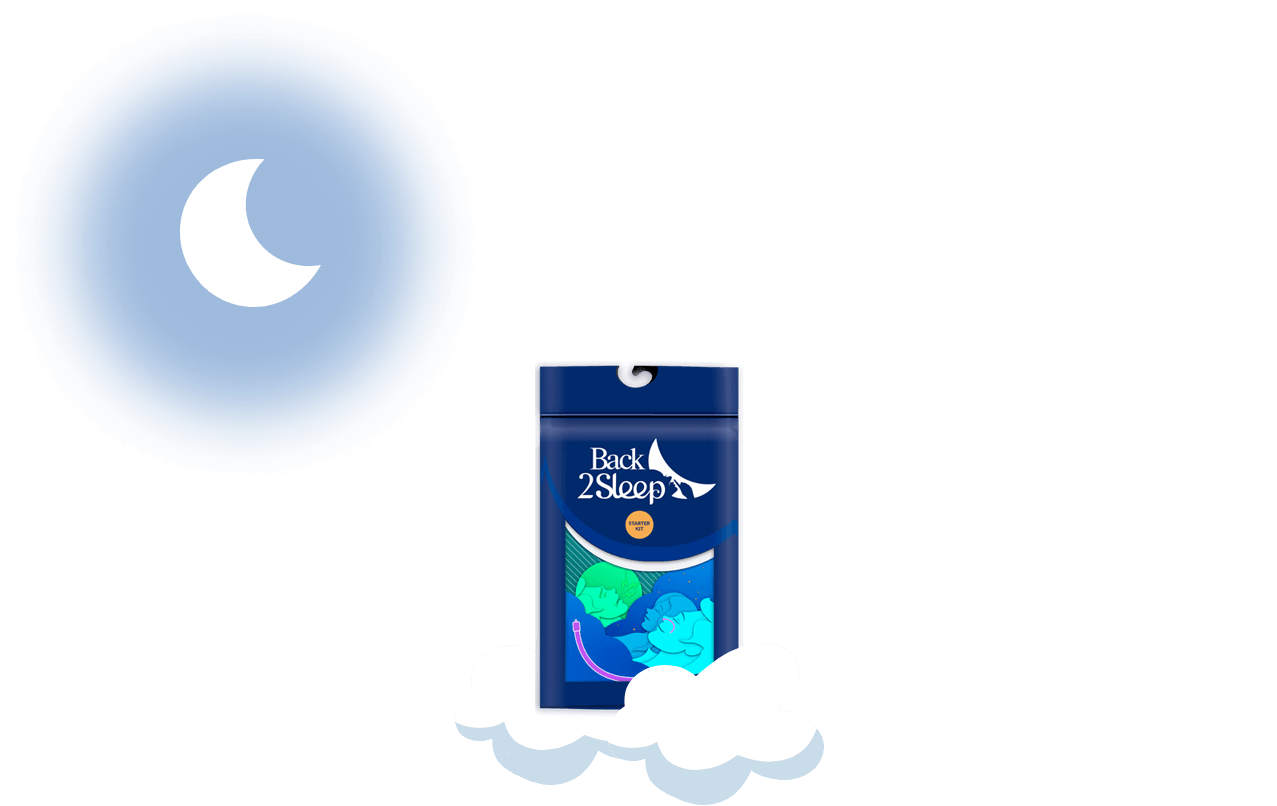
Every night of untreated sleep apnea is another night of cardiovascular strain. The Back2Sleep Starter Kit includes four sizes so you can find your perfect fit. Over 1 million sold worldwide. 92% user satisfaction. CE-certified under EU MDR 2017/745.
 Order Your Starter Kit — €44.90
Have questions? Visit our FAQ • Browse more sleep health articles
This article is for educational and informational purposes only. It does not constitute medical advice, diagnosis, or treatment. The information presented is based on published medical research and should not be used as a substitute for professional medical consultation. Always seek the advice of your physician or other qualified healthcare provider with any questions regarding a medical condition. Back2Sleep is a CE-certified Class I medical device (EU MDR 2017/745) designed to support nasal airway patency. It is not intended to diagnose, treat, cure, or prevent any disease, including cardiovascular disease. Individual results may vary. If you suspect you have sleep apnea or a heart condition, consult a healthcare professional promptly.