
Sleep Apnea During Pregnancy: Risks for Mother and Baby

Sleep Apnea During Pregnancy: What Every Expecting Mother Needs to Know
One in four women develops gestational sleep apnea by the third trimester. Left untreated, it doubles your preeclampsia risk and triples your chance of gestational diabetes. Here is how to spot it, treat it safely, and protect your baby.
Sleep apnea during pregnancy is one of the most under-diagnosed conditions in prenatal care. Around 20% of pregnant women have obstructive sleep apnea (OSA), yet fewer than 5% are ever tested for it. The condition causes your airway to collapse repeatedly during sleep, dropping blood oxygen levels that you and your baby both depend on. Women with untreated gestational OSA face a 2.4 times higher risk of preeclampsia, a 3.5 times higher risk of gestational diabetes, and are nearly twice as likely to deliver preterm. Maternal mortality rates jump from 0.13% to 2.47% when sleep apnea goes unmanaged during pregnancy, according to data from UT Southwestern Medical Center.
If you have started snoring during pregnancy for the first time, or if your partner tells you that you gasp or stop breathing at night, this is not a minor annoyance. It could be gestational sleep apnea, and it deserves the same attention as your glucose screening or blood pressure checks.
- Why pregnancy creates the perfect conditions for sleep apnea to develop
- Exact risk numbers for preeclampsia, gestational diabetes, preterm birth, and NICU admission
- How each trimester changes your airway and breathing patterns
- Safe treatments ranked by severity, from positional therapy to CPAP
- What happens after delivery and when sleep apnea resolves
- Warning signs that most pregnancy guides leave out
Why Pregnancy Triggers Sleep Apnea
Your body goes through six major changes during pregnancy that directly narrow the airway and reduce oxygen reserves. Understanding each one explains why pregnancy snoring is not just annoying but can signal a real breathing disorder.
The Six Airway Changes
- Nasal mucosal swelling. Rising estrogen levels cause the blood vessels in your nasal passages to engorge. This condition, called rhinitis of pregnancy, affects up to 42% of pregnant women. Your nose feels permanently stuffy, especially at night.
- Throat tissue thickening. Fluid retention during pregnancy adds soft tissue around the pharynx. Even women who gain weight within recommended ranges develop measurably thicker neck tissue by the third trimester.
- Diaphragm compression. As the uterus grows, it pushes the diaphragm upward by about 4 centimeters. This shrinks your functional lung capacity by 20 to 30 percent, leaving less oxygen reserve between breaths.
- Blood volume surge. Blood volume increases by up to 45% during pregnancy. More blood in the head and neck tissues means more swelling and less room for air to pass through.
- Increased oxygen demand. Your body needs roughly 20% more oxygen than before pregnancy. A narrower airway now has to deliver more air. When it cannot keep up, oxygen saturation drops.
- Progesterone paradox. Progesterone actually stimulates breathing, which is protective. But it also relaxes smooth muscle throughout your body, including the muscles that hold the airway open during sleep. The net effect worsens apnea events in women whose airways are already compromised.

Trimester-by-Trimester: How Sleep Apnea Progresses
Sleep apnea does not appear overnight. It builds gradually across pregnancy, and the window to intervene narrows as each trimester passes.
First Trimester (Weeks 1-12)
About 10.5% of women show early signs of sleep-disordered breathing. Snoring tends to be mild. Progesterone levels rise but the uterus is still small. This is the best time to get a baseline screening if you have risk factors like obesity, chronic hypertension, or PCOS.
Second Trimester (Weeks 13-26)
Prevalence climbs to about 16%. Weight gain accelerates, nasal congestion worsens, and blood volume hits its steepest increase. Many women first notice snoring around week 20. Partners start mentioning breathing pauses. If you are flagged for gestational diabetes at your glucose screening, ask about sleep apnea too.
Third Trimester (Weeks 27-40)
Up to 26.7% of women now have clinically significant OSA. The uterus is at maximum size, the diaphragm is fully compressed, and weight gain peaks. This is also when preeclampsia risk spikes. Every week of untreated OSA in the third trimester compounds both maternal and fetal risk.
The Real Risks: What the Research Shows
The medical evidence linking gestational sleep apnea to serious pregnancy complications is not speculative. It comes from large cohort studies, meta-analyses, and randomized controlled trials. These are the numbers your doctor should be discussing with you.
Preeclampsia and High Blood Pressure
Each time your airway collapses during an apnea event, your sympathetic nervous system fires a stress response. Blood pressure spikes, then partially drops, then spikes again. This pattern repeats dozens of times per hour in moderate-to-severe cases. Over weeks, this damages the inner lining of blood vessels, including the delicate vessels that supply the placenta. A peer-reviewed study of pregnant women found an adjusted odds ratio of 2.42 for preeclampsia in those with diagnosed OSA (95% CI: 1.43 to 4.09). For women flagged with sleep-disordered breathing in early pregnancy, the risk appeared even sooner, with an odds ratio of 1.94.
Gestational Diabetes
The oxygen drops from apnea events do not just affect your cardiovascular system. They trigger inflammatory cascades that impair insulin sensitivity. Cortisol spikes. Glucose metabolism falters. Women with early-pregnancy sleep-disordered breathing had a 3.47 times higher odds of developing gestational diabetes mellitus (95% CI: 1.95 to 6.19), according to a comprehensive PMC review. This risk persists even after researchers controlled for BMI, meaning sleep apnea itself is the driver, not just the weight associated with it.
Preterm Birth and Low Birth Weight
When your blood oxygen drops during apnea events, so does your baby's oxygen supply through the placenta. Fetal heart rate monitoring during maternal apneas shows decelerations, temporary dips that indicate the baby is under stress. Research puts the preterm delivery risk at 1.9 times higher for women with OSA (aOR: 1.90, 95% CI: 1.09 to 3.30). Babies born to mothers with severe sleep apnea weigh 250 to 400 grams less on average.
Cesarean Delivery and NICU Admission
OSA during pregnancy increases the odds of cesarean delivery by 60% (aOR: 1.60). Babies of mothers with untreated sleep apnea are 1.5 to 2 times more likely to need NICU care after birth. In severe cases, research has documented a five-fold increase in in-hospital maternal mortality and a nine-fold increase in cardiomyopathy risk (aOR: 9.0).
Warning Signs That Go Beyond Snoring
Most articles about pregnancy snoring list the obvious symptoms. But several warning signs get overlooked because they overlap with normal pregnancy discomfort. Here is the full picture.
New-Onset Loud Snoring
If you never snored before pregnancy and now your partner hears it through a closed door, this is not a quirk. Pregnancy-onset snoring carries a 1.59 times higher risk of preeclampsia on its own, independent of sleep apnea diagnosis.
Witnessed Breathing Pauses
Ask your partner directly: "Do I stop breathing at night?" Pauses lasting 10 to 30 seconds followed by a gasp or snort are classic apnea events. Many partners notice but assume it is normal.
Morning Headaches
Waking up with a dull, pressing headache most mornings suggests overnight oxygen drops. The brain dilates its blood vessels to compensate for low oxygen, and you feel the result as a headache that fades within an hour of getting up.
Fatigue That Sleep Does Not Fix
Pregnancy tiredness is real, but there is a difference between normal fatigue and the bone-deep exhaustion of fragmented sleep. If eight or nine hours in bed leaves you unable to function, your sleep quality may be the problem.
The Symptoms Nobody Talks About
Beyond the standard list, watch for these less obvious signs:
- Frequent nighttime urination beyond pregnancy norms. Sleep apnea triggers the release of atrial natriuretic peptide, which increases urine production. If you are up five or six times a night, it may not just be the baby pressing on your bladder.
- Dry mouth every morning. Mouth breathing during apnea events dries out your oral tissues. A dry mouth upon waking, especially with a sore throat, points toward nighttime airway obstruction.
- Mood changes that seem out of proportion. Yes, pregnancy hormones affect mood. But OSA fragments sleep architecture, specifically reducing the deep sleep and REM stages that regulate emotions. Anxiety and irritability that feel disproportionate to your situation may have a breathing component.
- Difficulty concentrating or memory lapses. Sleep fragmentation impairs cognitive function. If you cannot focus at work or keep forgetting things, do not blame "pregnancy brain" without ruling out sleep-disordered breathing.
Who Faces the Highest Risk?
Any pregnant woman can develop gestational sleep apnea, but certain groups should be proactive about screening rather than waiting for symptoms.
| Risk Factor | Increased OSA Risk | Why It Matters |
|---|---|---|
| Pre-pregnancy BMI over 30 | 3 to 5 times higher | Excess fat around the airway is the single strongest predictor of OSA |
| Maternal age over 35 | 2 times higher | Upper airway muscle tone decreases with age |
| Excessive weight gain (over 18 kg) | 2.5 times higher | Additional tissue deposits around neck and throat |
| Twin or multiple pregnancy | 2 times higher | Greater hormonal fluctuations and faster weight gain |
| Chronic hypertension | 2.5 times higher | Endothelial damage already present before pregnancy |
| PCOS (polycystic ovary syndrome) | 2 to 3 times higher | Metabolic and hormonal disruption compounds pregnancy-related airway changes |
| Neck circumference over 40 cm (16 in) | Strong predictor | Physical anatomy limits the space available for air |
| History of preeclampsia | Screening recommended | OSA and preeclampsia share vascular damage pathways |
Getting Diagnosed: What Screening Looks Like
The 2023 consensus guideline from the Society of Anesthesia and Sleep Medicine (SASM) and the Society for Obstetric Anesthesia and Perinatology (SOAP) represents the most current recommendation for screening pregnant women. Here is the practical path from suspicion to diagnosis.
Step 1: Talk to Your OB-GYN or Midwife
Bring it up directly. Many providers still do not routinely screen for sleep apnea during pregnancy, even though guidelines now recommend it for high-risk women. Describe your symptoms: snoring onset, partner observations, fatigue levels, morning headaches.
Step 2: Screening Questionnaires
Your provider may use the STOP-BANG questionnaire or the Berlin Questionnaire. A word of caution: standard sleep questionnaires have limited sensitivity in pregnant populations because many healthy pregnant women score high on sleepiness scales simply due to pregnancy fatigue. STOP-BANG combined with neck circumference measurement (over 40 cm is a red flag) tends to be more reliable.
Step 3: Home Sleep Apnea Test (HSAT)
The SASM/SOAP guideline now supports home sleep apnea testing as a reasonable first diagnostic step for pregnant women. You wear a portable device at home for one or two nights that tracks your breathing, oxygen levels, and heart rate. It is less disruptive than an overnight lab sleep study and produces comparable results for most cases.
Step 4: In-Lab Polysomnography
If home testing is inconclusive or if severe OSA is suspected, a full overnight sleep study in a lab provides the most detailed data. The study records brain waves, eye movements, leg movements, airflow, respiratory effort, and oxygen saturation. Results are graded by the Apnea-Hypopnea Index (AHI): mild is 5 to 15 events per hour, moderate is 15 to 30, and severe is above 30.
Do not delay evaluation. Treatment benefits start immediately, and the risks of untreated sleep apnea compound with each passing week of pregnancy.
Safe Treatments During Pregnancy: Ranked by Severity
The right treatment depends on how severe your sleep apnea is. Here is the evidence-based hierarchy, from mild interventions to the gold standard.
For Mild Snoring and Mild OSA (AHI 5-15)
Positional therapy. Sleeping on your left side is already recommended in the third trimester to optimize blood flow to the placenta. This position also reduces airway collapse. Use a full-length pregnancy pillow or a tennis ball sewn into the back of a sleep shirt to prevent rolling onto your back.
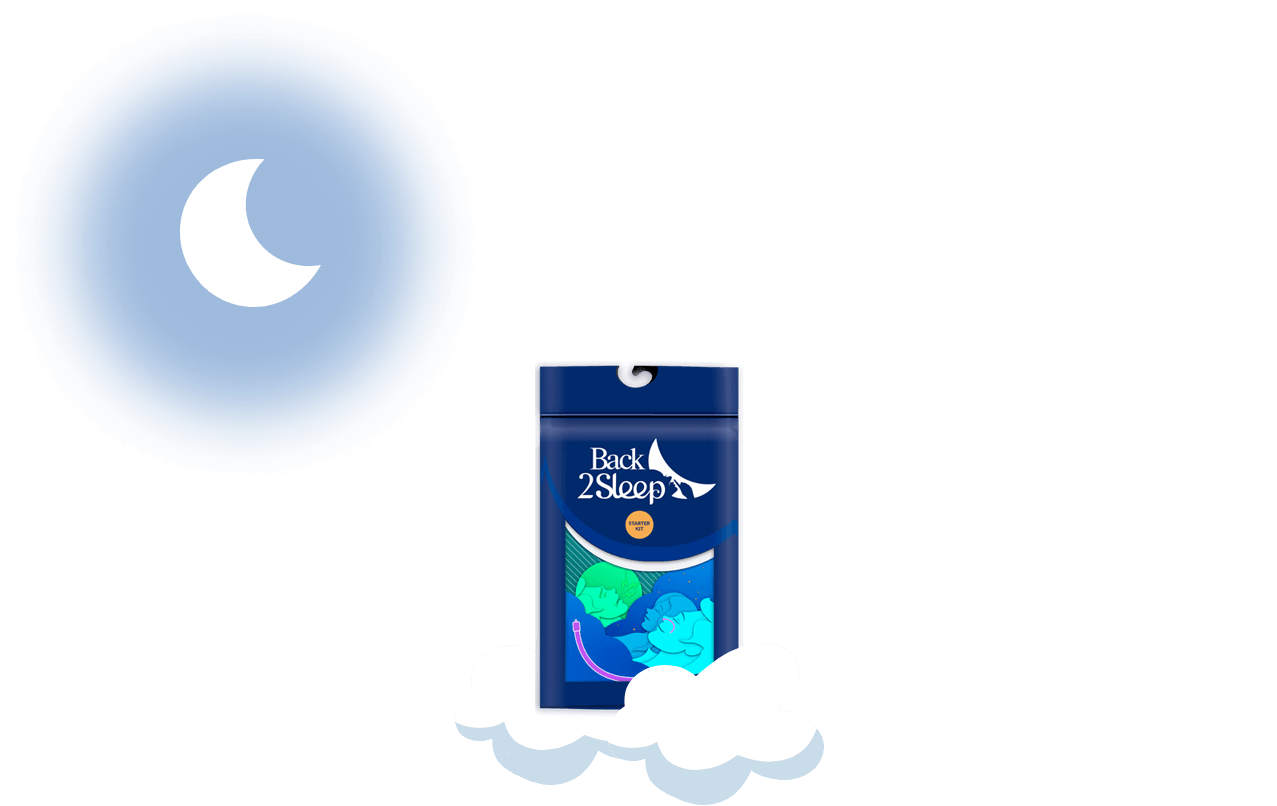
Nasal breathing aids. For pregnancy snoring and mild OSA, a nasal stent offers a drug-free, non-invasive option. The Back2Sleep device is a soft, CE-certified medical silicone tube that sits inside one nostril and extends toward the soft palate, mechanically holding the nasal airway open. It requires no electricity, no mask, and no medication. For pregnant women who want to minimize interventions, this is the least intrusive approach. The starter kit includes four sizes (S, M, L, XL) so you can find the right fit as nasal congestion fluctuates throughout pregnancy.
Saline nasal rinses. Daily saline irrigation helps reduce rhinitis of pregnancy without medication. Use a neti pot or squeeze bottle with sterile saline solution before bed.
Head elevation. Raising the head of your bed by 15 to 30 degrees (using a wedge pillow or bed risers) reduces gravitational airway collapse. This works well in combination with side sleeping.
For Moderate to Severe OSA (AHI above 15)
CPAP therapy. Continuous positive airway pressure remains the gold standard and is confirmed safe throughout pregnancy. A meta-analysis of 809 pregnant women across six studies found CPAP reduced gestational hypertension risk by 35% (RR: 0.65) and preeclampsia risk by 30% (RR: 0.70). Research from UT Southwestern showed that just one night of CPAP use can produce measurable blood pressure reductions in pregnant patients.
The practical challenge is comfort. Pregnancy nasal congestion makes mask breathing harder, and many women find the equipment claustrophobic. Auto-titrating CPAP (APAP) adjusts pressure automatically as your body changes through pregnancy, and is often preferred over fixed-pressure machines. If mask tolerance is an issue, nasal pillow interfaces tend to be better tolerated than full-face masks.
CPAP adherence varies dramatically in studies, from less than 10% in one trial to 85% in another. The women who stick with CPAP get the benefits. If you struggle with adherence, combining CPAP with positional therapy and a nasal stent for the nights you cannot tolerate the mask is a practical compromise.
For All Severity Levels
Weight management within guidelines. Significant weight loss is not appropriate during pregnancy. But staying within recommended gain ranges matters: 11.5 to 16 kg for normal BMI, 7 to 11.5 kg for overweight women. Every additional kilogram above guidelines deposits some tissue around the airway.
Meal timing. Avoid eating within 3 hours of bedtime. Late meals worsen acid reflux, which causes additional airway swelling. Reflux is already common in pregnancy; adding it on top of OSA compounds the obstruction.
Regular moderate exercise. Walking, swimming, or prenatal yoga (as approved by your provider) helps maintain upper airway muscle tone and improves overall sleep quality.
Treatment Comparison: Your Options at a Glance
| Treatment | Best For | Pregnancy Safe? | Key Benefit | Main Drawback |
|---|---|---|---|---|
| Left-side sleeping | All severities | Yes | Improves both airway and placental blood flow | Hard to maintain all night |
| Nasal stent (Back2Sleep) | Mild snoring & mild OSA | Yes (drug-free, CE-certified) | No mask, no electricity, 10-second insertion | 3-5 day adaptation period |
| Saline nasal rinse | Rhinitis of pregnancy | Yes | Reduces congestion without medication | Temporary relief only |
| Head elevation (15-30 degrees) | All severities | Yes | Reduces gravitational airway collapse | Can cause back discomfort |
| CPAP / Auto-CPAP | Moderate to severe OSA | Yes | 35% reduction in hypertension risk | Comfort issues, low adherence rates |
| Oral appliance (MAD) | Mild-moderate OSA | Limited data | No electricity needed | Jaw discomfort, custom fitting required |
Real Stories from Expecting Mothers
The clinical data tells one story. The lived experience tells another. Here is what pregnant women actually go through when sleep apnea disrupts their pregnancy.
One pattern emerges across these stories: most women did not know pregnancy snoring could be dangerous until someone else raised the alarm. Partners, midwives, and even roommates during hospital stays noticed the breathing pauses before the women themselves did. This is why the "partner question" matters. Ask the person who sleeps next to you: Do I stop breathing at night?
After Delivery: Does Gestational Sleep Apnea Go Away?
The short answer: sometimes. The longer answer requires planning.
About 50% of women who develop OSA during pregnancy see it resolve within 3 to 6 months postpartum as weight normalizes and hormonal levels return to baseline. The other half retain some degree of sleep-disordered breathing, especially if they do not lose the pregnancy weight or if they had risk factors like obesity or PCOS before pregnancy.
The Postpartum Trap
Here is something most guides skip: the postpartum period is the worst possible time to have untreated sleep apnea. You are already sleep-deprived from newborn care. You are dealing with hormonal shifts that affect mood. Breastfeeding demands extra energy. If OSA persists, it compounds every single one of these challenges. The exhaustion feels relentless, and too many women blame it entirely on the new baby when sleep apnea is a treatable contributor.
Both CPAP and nasal stents are safe to use while breastfeeding. Neither passes any medication to the baby.
Long-Term Cardiovascular Impact
This is the part that concerns cardiologists. Women who had preeclampsia combined with OSA during pregnancy carry a significantly higher lifetime risk of chronic hypertension, coronary artery disease, and stroke. A longitudinal study tracking women for 10 years after pregnancy found that those with untreated gestational OSA had 2.8 times the rate of developing chronic hypertension compared to matched controls. Treating sleep apnea during pregnancy does not just protect your current pregnancy. It may shape your cardiovascular health for decades.
Follow-Up Recommendations
- Schedule a follow-up sleep evaluation 3 to 6 months postpartum
- If you still snore or feel excessively fatigued after 6 months, get retested
- Women planning subsequent pregnancies should be screened early in each new pregnancy
- Maintain a healthy weight between pregnancies to reduce recurrence risk
How to Bring This Up with Your Doctor
Many OB-GYNs do not routinely screen for sleep apnea. A 2026 Medscape article described prenatal OSA screening as "a critical, frequently overlooked opportunity to mitigate cardiometabolic risks." If your provider has not asked about your sleep, here is how to start the conversation.
What to say: "I have been snoring since I got pregnant, and my partner says I sometimes stop breathing at night. I have read that this can increase my risk of preeclampsia and gestational diabetes. Can we screen for sleep apnea?"
What to ask for:
- A STOP-BANG questionnaire or Berlin Questionnaire
- Neck circumference measurement (over 40 cm warrants further evaluation)
- Referral for a home sleep apnea test if screening is positive
- If you have risk factors (BMI over 30, hypertension, PCOS, prior preeclampsia), ask for testing even without symptoms
You deserve a provider who takes pregnancy snoring seriously. If yours dismisses your concerns, seek a second opinion from a sleep medicine specialist or a maternal-fetal medicine doctor. Read more in our health articles library or visit our pharmacy partners for in-person guidance.
Frequently Asked Questions
Read more about sleep apnea causes and treatments, explore our full article library, or find a pharmacy near you for personalized advice on managing snoring during pregnancy.