
Sleep Apnea in the Elderly: Age-Specific Symptoms and Solutions

Sleep Apnea in the Elderly: Why Seniors Get Missed and What Actually Works
Up to 80% of elderly adults with sleep apnea never get diagnosed. Their symptoms look like aging. They are not. This guide covers everything caregivers and older adults need to know.
Sleep Apnea Hides in Plain Sight After Age 65
Sleep apnea in the elderly is not just common. It is an epidemic that nobody talks about. Research from the American Journal of Respiratory and Critical Care Medicine shows that obstructive sleep apnea affects 56% of men and 40% of women over age 65. That makes it more prevalent than diabetes, arthritis, or depression in the same age group. Yet the vast majority of those seniors have never had a sleep study.
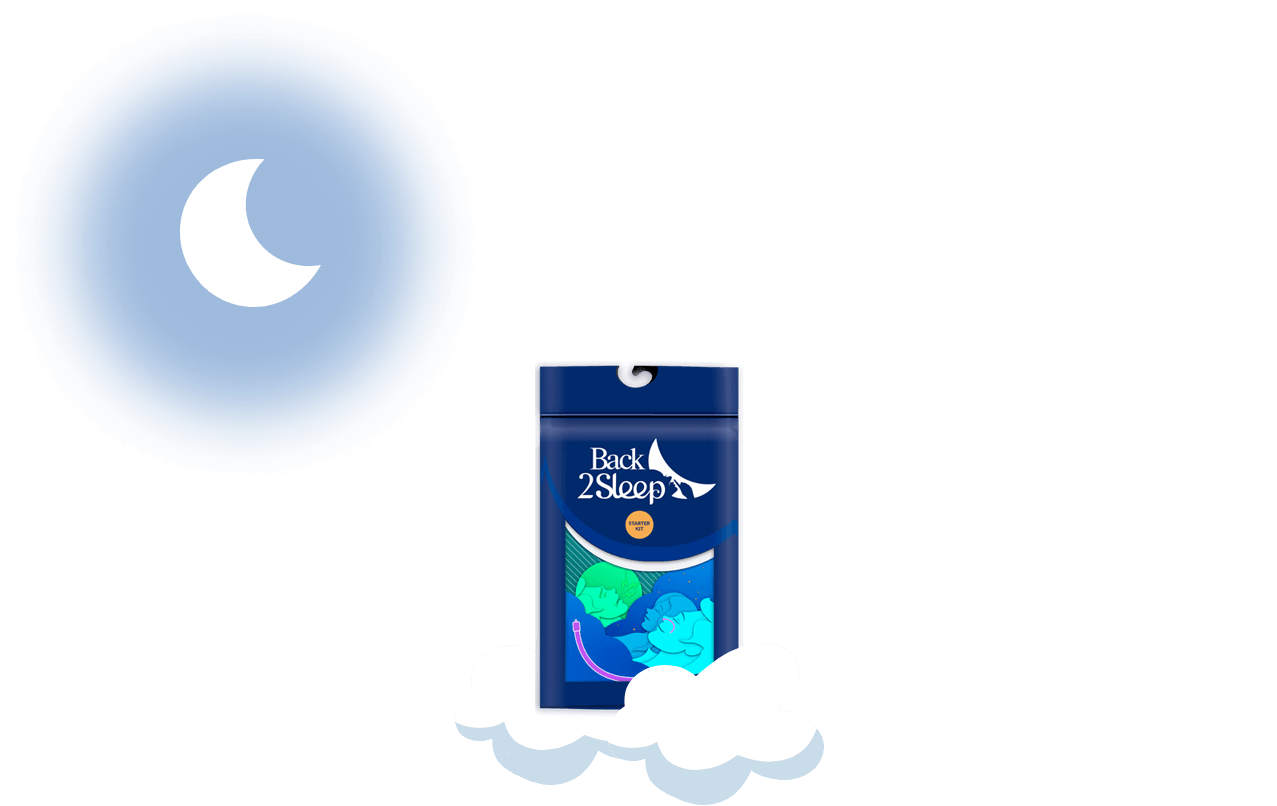
Choose Your Size →The reason is straightforward. Elderly sleep apnea does not look like the textbook version. Younger patients snore loudly, gasp for air, and feel exhausted. Older adults show up at the doctor complaining about memory trouble, getting up to urinate five times a night, or falling in the bathroom. No one thinks to check their breathing during sleep. A gentle, non-invasive device like the Back2Sleep nasal stent starter kit can open the airway without the complexity that makes CPAP so difficult for seniors.
This diagnostic gap carries real consequences. When OSA in seniors goes untreated, it accelerates cognitive decline, destabilizes blood pressure, and increases fall injuries. A 2024 University of Michigan study tracking 1,700 adults over 65 found that those with untreated moderate-to-severe OSA developed mild cognitive impairment a full decade earlier than matched controls.
The Numbers Behind Elderly Sleep Apnea
Four Symptoms That Get Blamed on "Just Getting Older"
The standard sleep apnea screening questionnaires (STOP-BANG, Epworth Sleepiness Scale) have reduced sensitivity in elderly populations. Older adults do not report sleepiness because they assume it is normal. Here are the four red flags that physicians and caregivers most frequently overlook:
Nocturia (Night Urination)
Getting up 3 or more times per night to urinate is routinely blamed on prostate enlargement or an aging bladder. But sleep apnea causes negative thoracic pressure that releases atrial natriuretic peptide, a hormone that drives excessive nighttime urine production. Treating the apnea often reduces bathroom trips by half.
Memory Problems and Confusion
Families watch their parent struggle with names, appointments, and conversations. The doctor says early dementia. But chronic intermittent hypoxia from sleep apnea directly damages hippocampal neurons, the same brain region that Alzheimer disease targets first. One Ohio State study found that what looked like dementia was actually untreated sleep apnea in a significant number of elderly patients.
Unexplained Falls
A 2023 study in the Journals of Gerontology confirmed that OSA impairs balance and gait through nocturnal oxygen deprivation. Seniors with untreated apnea are 2.5 times more likely to fall. The daytime drowsiness, impaired coordination, and nighttime disorientation all contribute. Six months of treatment significantly reduced fall risk markers in adults over 65.
Treatment-Resistant Depression
An older adult who does not respond to antidepressants may not have a serotonin problem. Sleep fragmentation and oxygen drops disrupt mood regulation at the neurochemical level. Irritability, apathy, and social withdrawal in elderly sleep apnea patients frequently improve once breathing normalises at night.
Additional warning signs include morning headaches from overnight carbon dioxide buildup, nighttime sweating, dry mouth upon waking, and gasping or choking episodes reported by a bed partner or caregiver. If your elderly parent or partner shows two or more of these symptoms, request a sleep study evaluation.
Why Aging Makes Sleep Apnea Worse (and Different)
Sleep apnea in a 72-year-old is not the same condition as sleep apnea in a 45-year-old. The aging body changes the disease in ways that matter for both diagnosis and treatment.
Pharyngeal muscle weakening. The muscles that hold the upper airway open lose tone with age, just like muscles everywhere else. By age 70, the genioglossus (the main tongue muscle keeping the airway open) generates roughly 30% less force during sleep than it did at age 40. This means that even slim, healthy seniors can develop obstructive sleep apnea without the classic risk factor of obesity.
Fat redistribution. Aging shifts body fat from subcutaneous stores toward visceral deposits and the parapharyngeal fat pads around the throat. A senior who has not gained weight in decades may still have a narrower airway than they did at 50.
Blunted arousal response. Younger patients wake up quickly when oxygen drops, limiting each apnea event. Older adults have a dulled arousal threshold. They stay in apnea longer, experience deeper oxygen desaturation, and accumulate more damage per event.
Central apnea component. Many elderly patients have a mix of obstructive and central sleep apnea. Central apnea occurs when the brain temporarily stops sending the signal to breathe, and this becomes more common with age, heart failure, and stroke history. Mixed apnea complicates treatment because CPAP alone may not address the central component.

The Brain Under Siege: Dementia, Alzheimer, and the OSA Connection
Every apnea event drops blood oxygen saturation, sometimes below 80%. In a young person, these dips resolve fast. In an aging brain with reduced vascular reserve, they cause cumulative damage that mirrors the early stages of neurodegenerative disease.
A 2024 analysis from Michigan Medicine found that sleep apnea contributes directly to dementia in older adults, with women at particularly elevated risk. The mechanism is not just oxygen deprivation. Sleep apnea disrupts the glymphatic system, the brain's waste-clearing process that operates primarily during deep sleep. When deep sleep is shattered by breathing interruptions, beta-amyloid and tau proteins (the hallmark deposits of Alzheimer disease) accumulate faster.
Here is what makes this finding so urgent: cognitive symptoms from sleep apnea may be partially reversible. A study published in the Alzheimer's Drug Discovery Foundation journal showed that one year of CPAP treatment normalised biomarkers and cognitive complaints in OSA patients. The improvements typically begin around three months after starting treatment. Patients report better recall, sharper attention, and improved processing speed.
For caregivers, the practical takeaway is this: if an elderly family member has been diagnosed with mild cognitive impairment or early-stage Alzheimer, ask the doctor about a sleep study. If sleep apnea is present, treating it may slow or partially reverse the cognitive decline. That is not a guarantee, but it is one of the few interventions with evidence behind it.
Cardiovascular Risks Amplified by Age
The heart takes a beating from untreated sleep apnea at any age. In elderly patients who already live with hypertension, atrial fibrillation, or heart failure, the added burden of nocturnal oxygen desaturation becomes genuinely dangerous.
Each apnea event triggers a sympathetic nervous system surge. Blood pressure spikes. Heart rate swings wildly. Inflammatory markers flood the bloodstream. In younger adults, the cardiovascular system rebounds quickly. In older adults with stiffened arteries and weakened cardiac muscle, these repeated surges cause cumulative damage that compounds over months and years.
- Atrial fibrillation: OSA increases AF risk by 4 times in patients over 65. AF combined with apnea creates a stroke risk multiplier that is higher than either condition alone.
- Resistant hypertension: Blood pressure that refuses to come down despite three medications is a hallmark of undiagnosed sleep apnea. The nocturnal "non-dipping" pattern (blood pressure that does not drop during sleep) correlates directly with apnea severity.
- Heart failure: Untreated OSA worsens left ventricular function and increases hospitalisation rates. A retrospective study of 939 patients over 65 found that those with severe OSA and good CPAP compliance had normalised mortality risk, while non-compliant patients faced excessive cardiovascular death rates.
- Nocturnal angina: Chest pain during the night in elderly patients often traces back to oxygen desaturation events rather than coronary artery blockage alone.
Why CPAP Fails So Many Elderly Patients
CPAP remains the gold standard for severe obstructive sleep apnea. But the numbers tell a sobering story. Mean nightly usage drops from 5.2 hours in patients aged 65-69 to just 2.9 hours in patients over 80, well below the 4-hour minimum considered therapeutic. Within the first year, fewer than 40% of elderly patients still use their machine consistently.
Understanding why helps families find better alternatives:
Aging skin is thinner and heals slower. CPAP mask straps cause pressure injuries, bridge-of-nose sores, and facial irritation that younger users rarely experience. One caregiver on AgingCare.com described her mother developing open sores within the first week.
Assembling a CPAP mask, adjusting headgear straps, filling the humidifier tank, and cleaning the tubing require fine motor skills that arthritis and essential tremor compromise. Magnetic mask closures help, but many standard masks still use tiny buckle clips.
A forum post from a caregiver captures the challenge perfectly: "Finally got mom diagnosed with severe sleep apnea, but due to her confusion, she cannot remember how to put the mask on after 6 days." For patients with any degree of cognitive impairment, the multi-step CPAP routine becomes a nightly battle.
Age-related anxiety, mild cognitive impairment, and the simple discomfort of having a mask strapped to the face at night all amplify claustrophobic reactions. One experienced dementia caregiver noted bluntly: "I cannot imagine a confused elder would ever really adjust to such a thing."
None of this means CPAP is worthless for seniors. For patients with severe OSA (AHI above 30), strong caregiver support, and good cognitive function, CPAP delivers meaningful benefits. But for the majority of elderly patients, especially those with mild-to-moderate apnea, a simpler solution with higher compliance will produce better real-world outcomes. Browse our complete health and sleep blog for more on treatment options.
Medications That Make Sleep Apnea Worse in Older Adults
Polypharmacy is a reality for most seniors. The average adult over 65 takes five or more prescription medications daily. Several common drug classes directly worsen sleep-disordered breathing or interfere with treatment:
| Medication Class | Examples | Effect on Sleep Apnea | What to Discuss with the Doctor |
|---|---|---|---|
| Benzodiazepines | Diazepam (Valium), Lorazepam (Ativan) | Relax upper airway muscles, increasing apnea severity by 30-50% | Request non-benzodiazepine alternatives for anxiety or insomnia |
| Opioid pain medications | Codeine, Tramadol, Morphine | Suppress the respiratory drive, causing central apnea events | Explore non-opioid pain management strategies |
| Muscle relaxants | Baclofen, Cyclobenzaprine | Further weaken pharyngeal tone already compromised by aging | Consider physical therapy or topical alternatives |
| Sedating antihistamines | Diphenhydramine (Benadryl), Hydroxyzine | Deepen sleep in ways that worsen apnea frequency and duration | Switch to non-sedating antihistamines like cetirizine |
| Beta-blockers | Metoprolol, Atenolol | May blunt the arousal response that terminates apnea events | Monitor sleep quality after starting or adjusting dose |
Medication review is one of the most overlooked steps in elderly sleep apnea management. In some cases, adjusting a single medication can reduce apnea severity enough to make a non-invasive device like the Back2Sleep nasal stent fully effective on its own.
What Actually Works: Treatment Options Ranked for Seniors
The best treatment for sleep apnea in older adults is not always the most powerful one. It is the one that the patient will actually use every night. Here is an honest comparison based on elderly-specific compliance data:
| Treatment | Effectiveness | Elderly Compliance Rate | Monthly Cost | Best Suited For |
|---|---|---|---|---|
| CPAP Machine | High (severe OSA) | Below 40% after 1 year | €40-120+/month | Severe apnea with strong caregiver support |
| Nasal Stent (Back2Sleep) | High (mild-moderate OSA) | Above 85% | €34/month subscription | Independent seniors, CPAP-intolerant patients |
| Oral Appliance (MAD) | Moderate-high | 50-60% | €40-80 (amortised) | Patients with healthy teeth and gums |
| Positional Therapy | Moderate | Variable | €5-15 | Position-dependent apnea only |
| Hypoglossal Nerve Stimulation (Inspire) | High | High (implanted) | Surgical cost | Severe OSA, CPAP failure, good surgical candidate |
The Back2Sleep starter kit includes four sizes (S, M, L, XL), lubricant, and a usage guide. The soft silicone tube inserts in roughly 10 seconds, reaches the soft palate to prevent airway collapse, and requires no electricity, straps, or nightly assembly. With a 3-5 day adaptation period and 92% user satisfaction, it fills the gap between doing nothing and battling a CPAP machine every night.
The Caregiver's Guide to Elderly Sleep Apnea
Sleep apnea treatment in the elderly rarely succeeds without a caregiver involved. Whether your parent lives independently, with family, or in assisted living, you are the frontline observer who notices the warning signs and ensures treatment happens.
Research shows that up to 76% of caregivers of elderly adults with sleep disorders struggle with their own sleep deprivation. Helping your parent breathe better at night means you sleep better too.
A Caregiver's Week-by-Week Checklist
Screening and Diagnosis: What Works for Older Adults
Standard screening tools fail elderly patients. The Epworth Sleepiness Scale asks about dozing off during activities, but many seniors have retired and no longer drive, read, or sit in meetings. The STOP-BANG questionnaire relies on BMI thresholds that miss the age-related pharyngeal changes driving apnea in normal-weight older adults.
A more reliable approach for elderly screening combines three elements:
Bed Partner or Caregiver Interview
Ask about witnessed breathing pauses, gasping, choking sounds, and restless movements during sleep. The patient themselves may be unaware of these events.
Home Sleep Apnea Test
A portable device worn for 1-2 nights at home measures airflow, oxygen saturation, and respiratory effort. Far less disruptive than an overnight lab stay for frail or anxious elderly patients.
Comorbidity Cross-Check
Screen for atrial fibrillation, resistant hypertension, type 2 diabetes, nocturia, and treatment-resistant depression. All correlate strongly with undiagnosed OSA in the elderly.
Visit our pharmacy locator to find Back2Sleep at a retailer near you, or order directly through our website with free delivery on subscription plans.
Help Your Parent Sleep Safely Tonight
The Back2Sleep starter kit includes 4 sizes so you can find the right fit. No mask. No machine. No nightly struggle. Gentle enough for elderly users, effective from night one.
Order the Starter Kit — Free Size Guide