
Sleep Apnea in Women: Why It's Missed and How to Get Diagnosed

Sleep Apnea in Women: The Hidden Condition Doctors Keep Missing
Up to 9 out of 10 women with sleep apnea never get diagnosed. Here is why your symptoms look different — and exactly how to fight for the right diagnosis.
Sleep apnea in women is one of medicine's biggest blind spots. You are exhausted every morning. You wake up with headaches. Your mood swings between anxious and flat. You have told your doctor about the fatigue, the brain fog, the feeling that something is deeply wrong — and they handed you an antidepressant.
Sound familiar? You are not alone, and you are not imagining it.
Research from the Wisconsin Sleep Cohort Study shows that 17% of women aged 30–70 have obstructive sleep apnea — and that number climbs to 28% for women over 50. Yet the vast majority never receive the correct diagnosis. A woman shared with the Society for Women's Health Research how she spent 25 years bouncing between doctors who labeled her with PMS, PCOS, insomnia, and depression before a sleep study at age 56 revealed she was stopping breathing 83 times per hour.
This article pulls together medical research, real patient stories, and practical steps so you can recognize female sleep apnea symptoms, understand why they differ from men's, and get the diagnosis you deserve.

Female Sleep Apnea Symptoms: Why They Look Nothing Like the Textbook
Here is the core problem. The "classic" sleep apnea checklist — loud snoring, gasping awake, daytime sleepiness — was built from studies where only one-third of participants were women. The symptoms women actually report look completely different.
| Symptom | Men | Women |
|---|---|---|
| Primary complaint | Loud snoring, gasping | Fatigue, insomnia, mood changes |
| Daytime sleepiness | Very common, obvious | Often described as "lack of energy" |
| Morning headaches | Occasional | Frequent — often tension-type |
| Depression & anxiety | Less commonly reported | Leading complaint in many women |
| Snoring character | Loud, with witnessed apneas | Quieter, partial airway obstruction |
| Sleep pattern | Apneas in all sleep stages | Primarily during REM sleep |
| Nighttime waking | Gasping or choking | Insomnia, nocturia, heartburn |
| Classic symptoms present | ~80% of moderate-severe cases | Only ~60% of moderate-severe cases |
A 2021 study in the Journal of Clinical Sleep Medicine found that 40% of women with an AHI above 15 — that is moderate-to-severe sleep apnea — did not report any of the classic symptoms. Compare that to just 20% of men.
Women also have shorter apneic episodes, less severe oxygen drops, and fewer position-dependent events. Their polysomnography results look "milder" on paper — but they feel just as terrible. Research consistently shows women become symptomatic at lower AHI scores than men.
Why Doctors Get It Wrong: The Misdiagnosis Trap for Women
Women with untreated sleep apnea are routinely diagnosed with depression, hypertension, and even hypochondria. The Women's Brain Health Initiative found that men are twice as likely to be diagnosed with sleep apnea as women — not because they have it more, but because the medical system is designed to catch their version of it.
Three reasons women fall through the cracks
- Screening tools are biased. The widely used STOP-BANG questionnaire has "unacceptably low sensitivity in women compared to men," according to research published in the Journal of Clinical Sleep Medicine. It asks about snoring, tiredness, and neck circumference — metrics calibrated to male anatomy and male symptom patterns. The Epworth Sleepiness Scale also fails to detect mild-to-moderate OSA in women.
- Women often come to appointments alone. A bed partner's report of snoring or witnessed apneas is one of the strongest referral triggers. Women are more likely to attend medical visits without a partner — and they may not know they snore at all.
- Symptoms overlap with "female" conditions. Fatigue, mood swings, and insomnia? Must be perimenopause. Brain fog and anxiety? Probably hormonal. Morning headaches? Here is some ibuprofen. The symptom overlap is real, which makes pattern recognition harder — but that is a reason for more testing, not less.
A woman in the r/SleepApnea community described being sleepy for eight straight years. She could sleep 12 hours and still want a nap. She did not snore. She was not overweight. She had no family history. Her diagnosis came as a complete shock — because nothing about her matched the profile she had been taught to look for.
Another woman shared how she "always woke up drunk-feeling and staggered into walls." She only realized this was abnormal when she happened to stay awake all night during a family crisis and felt more alert the next day than she normally did after a full night's sleep. A coworker finally told her to mention it to her doctor.
Hormones and Sleep Apnea: The Menopause, Pregnancy & PCOS Connection
Female hormones are both protector and trigger when it comes to obstructive sleep apnea in women.
Before Menopause
Estrogen and progesterone maintain upper-airway muscle tone and keep the airway from collapsing during sleep. Premenopausal women have the lowest OSA risk of any adult group.
During & After Menopause
As estrogen drops, airway protection fades. Postmenopausal women have a 3–6 times higher rate of sleep-disordered breathing than premenopausal women. OSA risk essentially catches up to men's.
During Pregnancy
Up to 27% of pregnant women develop OSA — driven by weight gain, airway changes, and fluid shifts. Risk peaks in the third trimester and often resolves after delivery.
With PCOS
Polycystic ovary syndrome raises testosterone and lowers protective estrogen. Women with PCOS face a significantly elevated risk of sleep apnea even in their 20s and 30s.
A dramatic case series in the Journal of Clinical Sleep Medicine showed what hormones can do. A transgender woman started estrogen therapy — and her sleep apnea resolved completely. Two transgender men who began testosterone therapy developed sleep apnea for the first time. The evidence is clear: estrogen protects, and losing it matters.
Real Women, Real Stories: Diagnosis Journeys That Took Years
The statistics hit differently when you hear them from actual women who lived them.
Sarah's story: 25 years to diagnosis
Sarah Gorman lived with undiagnosed sleep apnea from her teens. She felt "old before her time," was constantly accident-prone, and suffered a catastrophic knee injury at 27. Over the decades, doctors told her she had PMS, PCOS, insomnia, depression, and an irregular heartbeat. None of these labels explained why she was always exhausted.
At age 56, a polysomnogram finally revealed the truth: she was stopping breathing 83 times per hour during REM sleep. Her oxygen levels dropped below 60%. By then, untreated sleep apnea had contributed to type 2 diabetes, hypertension, liver complications, and seizures — some while driving.
After starting PAP therapy, her irregular heartbeat resolved. Her seizures stopped. She finally experienced healthy REM sleep for the first time in decades. "I urge women to pursue diagnosis early," she says. "Delayed treatment allows irreversible damage to develop."
Erica's story: a husband's phone recording
Erica, a new mother from Tacoma, gained 70 pounds during pregnancy. Her husband refused to share the bed and eventually recorded her snoring. "It sounded like I was dying," she said. "I was absolutely horrified." Beyond the snoring, she had dry mouth, nightmares, depression, fatigue, memory problems, and a resting heart rate stuck at 100 bpm. After losing the weight, every single symptom vanished — including the sleep apnea.
The 27-year-old who did not fit the profile
A young woman in a sleep apnea forum described years of debilitating fatigue. She slept 12 hours with frequent naps and still woke up "confused and drunk-feeling." Doctors prescribed ADHD medication for the fatigue. A sleep study finally showed obstructive sleep apnea — in a non-obese, non-snoring, 27-year-old woman with zero family history.
What Happens When Sleep Apnea Goes Untreated in Women
Untreated OSA is not just about feeling tired. For women, the health consequences are serious — and sometimes gender-specific.
- Heart disease: Women with untreated sleep apnea have higher rates of adverse cardiovascular events, irregular heartbeat, and hypertension than women without OSA.
- Type 2 diabetes: Sleep apnea disrupts glucose metabolism. The link is strong enough that some endocrinologists now recommend sleep studies for women with unexplained insulin resistance.
- Pregnancy complications: OSA during pregnancy correlates with preterm birth, cesarean delivery, gestational diabetes, and low birth weight.
- Cognitive decline & dementia: Chronic oxygen deprivation damages brain cells. The Sleep Foundation reports an increased risk of cognitive impairment and dementia in women with long-term untreated sleep apnea.
- Driving risk: Undiagnosed sleep apnea patients are 6 times more likely to die in a car accident due to micro-sleep episodes and impaired concentration.
- Workplace disability: Studies show women with untreated OSA experience higher rates of functional impairment at work, sick leave, and disability compared to those without the condition.
How to Actually Get Diagnosed: A Step-by-Step Guide for Women
Getting a sleep apnea diagnosis as a woman requires persistence. Here is a practical roadmap.
Track your symptoms for 2 weeks
Keep a sleep diary. Note morning headaches, nighttime waking, energy levels, mood, and any breathing issues. Use a phone app to record your sleep sounds — many women discover they snore without knowing it. One woman only learned about her snoring when her husband recorded audio after their baby was born.
Ask for a sleep study directly
Do not wait for your doctor to suggest it. Say: "I would like to be screened for obstructive sleep apnea." If your GP is dismissive, request a referral to a sleep specialist or a pulmonologist. At-home sleep tests are available and much less expensive than in-lab studies.
Mention the right red flags
Tell your doctor about: waking unrefreshed, nocturia, morning headaches, jaw clenching, nightmares, and any partner reports of snoring. These are the symptoms that trigger referrals — even when the standard screening questionnaires miss them.
Get your hormonal status checked
If you are perimenopausal, postmenopausal, pregnant, or have PCOS, tell your sleep doctor. These hormonal conditions dramatically change your risk profile and may influence treatment decisions.
Push for proper evaluation
If your AHI comes back "mild" but you feel terrible, advocate for treatment anyway. Women become symptomatic at lower AHI scores than men. A "mild" result in a woman can cause the same level of impairment as "moderate" in a man.
Treatment Options That Actually Work for Women
Good news: once diagnosed, sleep apnea treatment in women is highly effective. Even better — women often respond better to certain treatments than men do.
| Treatment | How It Works | Best For | Women-Specific Notes |
|---|---|---|---|
| CPAP | Continuous air pressure keeps the airway open | Moderate-to-severe OSA | Young women (18–30) have lowest adherence at 51%. Mask fit, skin irritation, and appearance concerns are common barriers. |
| Nasal stent | Soft silicone tube in the nostril prevents airway collapse | Mild-to-moderate OSA, snoring | Discreet, no external mask, travel-friendly. Over 92% user satisfaction. |
| Oral appliance | Mandibular advancement device repositions the jaw | Mild-to-moderate OSA | Women show superior treatment response — more likely to achieve AHI below 10. Also reduces nocturnal blood pressure in women (not seen in men). |
| Weight management | Reducing neck and throat tissue | OSA linked to excess weight | Obesity raises female OSA risk by 20–30% (vs. 50% in men). Still highly effective when applicable. |
| Positional therapy | Devices that prevent sleeping on the back | Position-dependent OSA | Less effective in women, whose apneas are less position-dependent. |
| Hormone therapy | Estrogen/progesterone replacement | Postmenopausal women | HRT is associated with reduced OSA risk in postmenopausal women, though not a standalone treatment. |
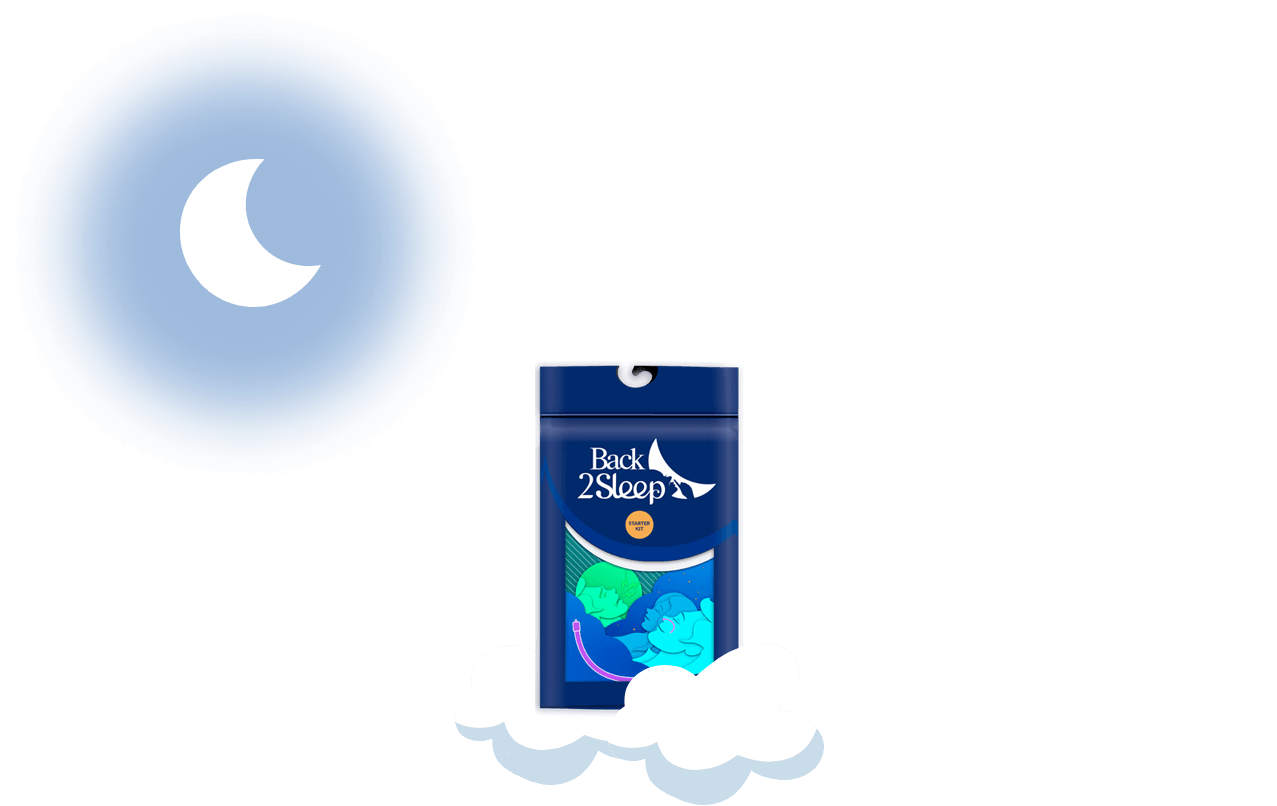
For many women with mild-to-moderate sleep apnea or primary snoring, a nasal stent like Back2Sleep offers a practical first step. No mask. No machine noise. No complicated setup. It is a soft silicone tube that fits in one nostril, takes about 10 seconds to insert, and gently holds the airway open through the night.
Why CPAP Feels Harder for Women — and What to Do About It
Let us be honest: CPAP has an image problem. And it hits women especially hard.
Data shows that young women aged 18–30 have the lowest CPAP adherence of any group at just 51.3%, compared to 72.6% overall. The reasons are not mysterious. Skin irritation, acne from straps, feeling unattractive while sleeping, and a cumbersome nightly routine — these are real barriers that deserve real solutions, not dismissal.
Practical alternatives if CPAP is not working for you
- Ask your sleep doctor about oral appliances — women respond better to them than men
- Try a nasal stent for mild-to-moderate OSA (invisible, silent, travel-ready)
- Use a CPAP pillow designed for side sleeping if positional therapy helps
- Switch to a nasal mask or nasal pillows instead of a full-face mask
- Consider combining weight management with a device for maximum effect
- Talk to your doctor about whether HRT might reduce your OSA severity if you are postmenopausal
The goal is not to suffer through a treatment that ruins your sleep. The goal is to breathe properly at night — and there are more ways to get there than most doctors mention.
Tired of Feeling Tired? Take the First Step Tonight
The Back2Sleep starter kit includes 4 sizes so you find your perfect fit. Clinically backed. Over 1 million stents sold.
Get the Starter Kit — €44.90Self-Screening Checklist: Could You Have Sleep Apnea?
Standard questionnaires miss many women. Use this checklist instead — adapted from research on how OSA actually presents in female patients.
Nighttime Signs
Waking up multiple times. Nocturia (bathroom trips). Nightmares or vivid dreams. Restless legs. Jaw clenching or teeth grinding. Snoring — even if it is quiet.
Morning Signs
Headaches upon waking. Dry mouth or sore throat. Feeling "drunk" or disoriented. Needing 30+ minutes to feel awake. Wanting to go back to sleep immediately.
Daytime Signs
Brain fog or memory problems. Fatigue that does not respond to more sleep. Anxiety or depression. Difficulty concentrating at work. Micro-sleep episodes (nodding off briefly).
Risk Factors
Neck circumference over 16 inches. BMI above 30. Perimenopause or postmenopause. PCOS diagnosis. Family history of OSA. Pregnancy (especially third trimester).
Score yourself: If you check 3 or more items from the first three cards plus any risk factor, ask your doctor about a sleep study. Do not wait for someone else to connect the dots — learn more about sleep apnea and bring the information with you.
Sleep Apnea Risk by Life Stage: What Changes and When
| Life Stage | OSA Risk Level | What Is Happening | Key Action |
|---|---|---|---|
| 20s–30s (premenopausal) | Lowest | Estrogen and progesterone protect airway tone | Watch for OSA if you have PCOS, obesity, or unexplained fatigue |
| Pregnancy | Elevated (up to 27%) | Weight gain, fluid shifts, airway changes | Report snoring to your OB-GYN. CPAP is safe during pregnancy. |
| 40s (perimenopause) | Rising | Estrogen begins declining, airway protection weakens | New insomnia or fatigue? Request screening — do not assume it is "just menopause" |
| 50+ (postmenopausal) | High (28% prevalence) | Estrogen loss removes protection; risk approaches men's | Sleep study recommended if any symptoms are present |
Frequently Asked Questions About Sleep Apnea in Women
Where to Go from Here
Sleep apnea in women is under-researched, under-diagnosed, and under-treated. But awareness is growing fast. Here is what you can do today:
- Read more about sleep apnea causes and treatments
- Explore the Back2Sleep starter kit for a CPAP-free approach
- Find a pharmacy near you that carries Back2Sleep
- Browse our full sleep health blog for more guides
- Learn about who we are and our mission
Your Sleep Matters. Your Health Matters.
If you recognize yourself in these stories, you deserve answers — not another prescription for something you do not have. Start with a solution that works from night one.
Order the Starter Kit Now